

What Are the Methods of Biomass Conveying?
Biomass, as a renewable energy source and raw material for various industries, requires efficient and reliable conveying systems to ensure smooth material handling. The methods of biomass conveying vary based on the type of material, processing requirements, and operational environment. Understanding these methods is crucial for optimizing production processes and enhancing overall efficiency in biomass-related applications.
1. Belt Conveyors for Biomass Handling
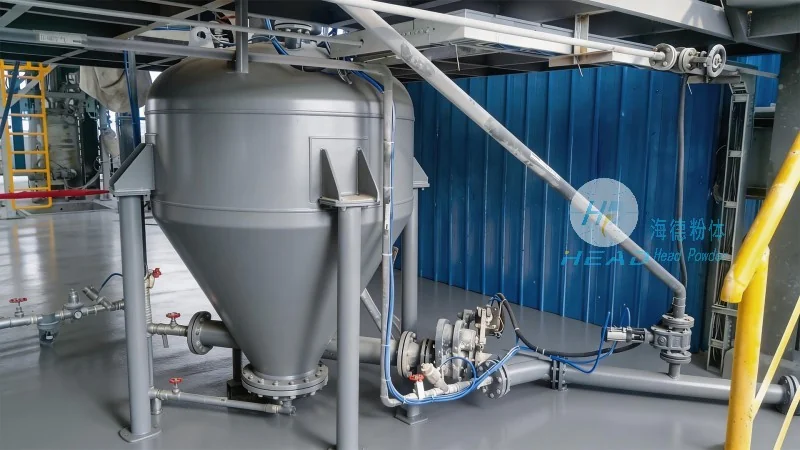
Belt conveyors are widely used in biomass processing due to their versatility and ability to handle a wide range of materials, including wood chips, pellets, and agricultural residues. These systems typically consist of a continuous belt loop supported by rollers, with the material placed on the belt and transported horizontally or at an incline. The design of the belt conveyor can be customized to accommodate different load capacities and material characteristics. For instance, heavy-duty belts with reinforced edges are used for transporting abrasive biomass materials, while lighter belts are suitable for fine pellets. The speed and inclination of the conveyor can be adjusted to control the material flow rate, ensuring consistent delivery to subsequent processing stages. This method is particularly effective in large-scale biomass facilities where high throughput is required.
2. Screw Conveyors for Biomass Transport
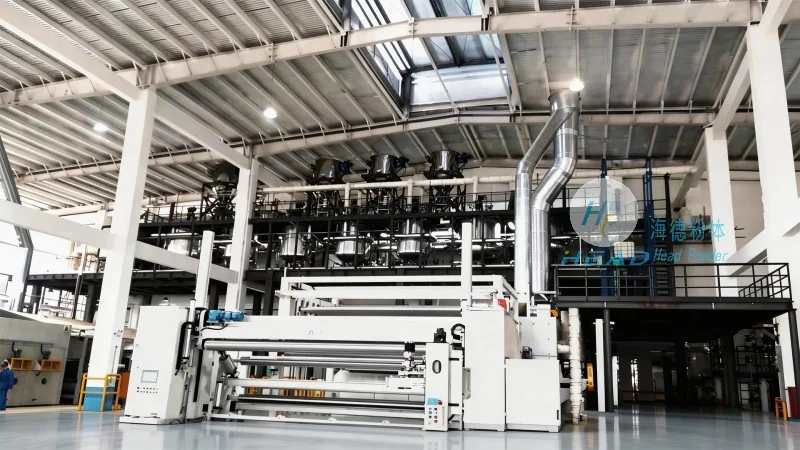
Screw conveyors, also known as auger conveyors, are another common solution for biomass conveying. They operate by rotating a helical screw within a trough, which pushes the material forward. Screw conveyors are well-suited for handling bulk materials with moderate to high moisture content, as the screw design helps maintain material integrity and prevents clogging. The trough can be made of stainless steel or other corrosion-resistant materials to withstand the acidic or alkaline nature of some biomass feedstocks. The speed of the screw and the pitch of the helix can be adjusted to control the conveying rate and prevent material degradation. Screw conveyors are often used in applications such as feeding biomass into boilers or pelletizing machines, where a controlled and continuous flow is essential. Their compact design makes them ideal for installations with limited space, and they can be integrated with other processing equipment for seamless material transfer.
3. Pneumatic Conveying Systems for Biomass
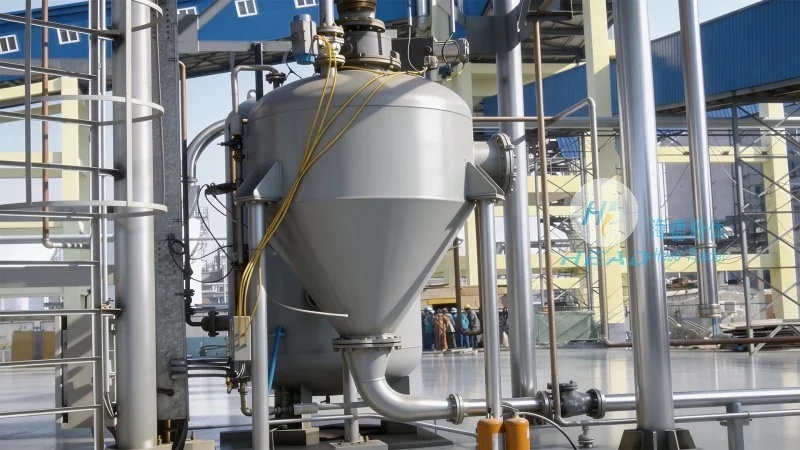
Pneumatic conveying systems use air or other gases to transport biomass particles through a pipeline. This method is particularly effective for fine or powdery biomass materials, such as sawdust or wood flour, which are difficult to handle with mechanical conveyors. The system consists of a hopper, a blower, and a pipeline network. The material is fed into the hopper and then drawn into the pipeline by the pressure created by the blower. The air velocity in the pipeline is maintained above the material's terminal velocity to ensure efficient transport. Pneumatic conveyors can be either positive pressure (where air pushes the material) or negative pressure (where air pulls the material). Positive pressure systems are generally more suitable for long-distance conveying and high-volume applications, while negative pressure systems are better for short distances and where dust control is a priority. This method offers advantages such as low maintenance, minimal material degradation, and the ability to transport materials over vertical or horizontal distances without the need for multiple pieces of equipment. However, it requires careful design to prevent air leakage and ensure consistent material flow.
4. Combined Conveying Solutions for Biomass Processing
In many biomass processing facilities, a combination of different conveying methods is used to achieve optimal material handling. For example, a belt conveyor may be used to transport large biomass pieces to a shredder, followed by a screw conveyor to feed the shredded material into a pelletizer. A pneumatic system might then be employed to transport the final pellets to storage or packaging areas. This integrated approach allows for efficient material flow from raw material reception to final product delivery. The choice of conveying method depends on factors such as material size, moisture content, and the distance between processing stages. By selecting the appropriate combination of conveyors, companies can minimize downtime, reduce energy consumption, and improve overall productivity. The expertise of manufacturers like Shandong HeadPowder Engineering Co., Ltd. is crucial in designing and implementing these integrated systems, ensuring that each component is optimized for the specific biomass application.
Conclusion
Efficient biomass conveying is a critical component of biomass processing operations, directly impacting productivity and cost-effectiveness. The methods discussed, including belt conveyors, screw conveyors, and pneumatic systems, each offer unique advantages and are suitable for different applications. By understanding the characteristics of the biomass material and the specific requirements of the processing plant, operators can select the most appropriate conveying system. Companies like Shandong HeadPowder Engineering Co., Ltd. specialize in providing customized conveying solutions tailored to the needs of biomass industries, ensuring reliable and efficient material handling. With the growing importance of biomass as a renewable resource, the development of advanced conveying technologies will continue to play a vital role in optimizing biomass processing and supporting sustainable energy production.