

Types of PVC Resin Conveying Methods?
When it comes to handling PVC resin in industrial applications, the choice of conveying method is critical for efficiency, safety, and overall process reliability. Shandong HeadPowder Engineering Co., Ltd., a leading provider in the field, offers insights into the various PVC resin conveying methods available to meet diverse industrial needs. This article explores the key approaches used for transporting PVC resin, highlighting their advantages and typical applications.

Understanding PVC Resin and Conveying Challenges
PVC resin, or polyvinyl chloride resin, is a widely used thermoplastic polymer in manufacturing various products such as pipes, flooring, and electrical components. Its handling requires specialized equipment due to its granular or powder form, which can be dusty and potentially hazardous if not managed properly. Effective conveying methods are essential to ensure consistent material flow, minimize waste, and maintain a safe working environment. Shandong HeadPowder Engineering Co., Ltd. specializes in providing tailored solutions for PVC resin handling, emphasizing both efficiency and safety in industrial processes.
Common PVC Resin Conveying Methods
Several methods are commonly employed for transporting PVC resin, each with distinct characteristics suited to different operational requirements. The primary approaches include vacuum conveying, positive pressure conveying, and screw or auger conveying. Each method has its own set of advantages and is selected based on factors such as material properties, distance to be conveyed, and the scale of the operation.
Vacuum Conveying for PVC Resin
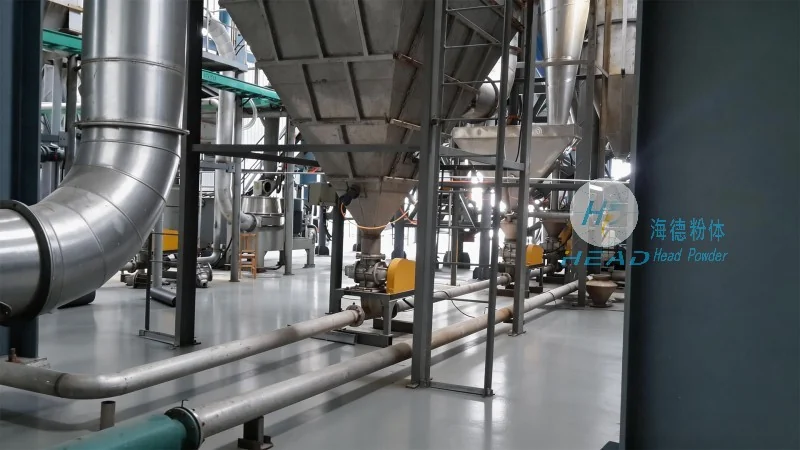
Vacuum conveying is a widely used technique for transporting PVC resin, particularly over moderate distances. This method operates by creating a negative pressure in a hopper or container, drawing the resin into a vacuum receiver. The resin is then transported through a pipeline under vacuum to the destination point. One of the key advantages of vacuum conveying is its ability to handle fine powders and granules without the need for high pressure, reducing the risk of material degradation or clogging. Shandong HeadPowder Engineering Co., Ltd. offers vacuum conveying systems designed specifically for PVC resin, ensuring reliable and efficient material transfer while maintaining low maintenance requirements.
Positive Pressure Conveying for PVC Resin
Positive pressure conveying, also known as pressure conveying, uses compressed air or gas to push the PVC resin through a pipeline. This method is particularly effective for longer distances or when dealing with larger quantities of material. By maintaining positive pressure in the system, the resin is forced through the pipeline, reducing the risk of blockages and ensuring consistent flow rates. Positive pressure systems are often preferred in applications where the material is prone to bridging or agglomeration. Shandong HeadPowder Engineering Co., Ltd. provides positive pressure conveying solutions that are robust and adaptable, suitable for various industrial environments and resin types.
Screw or Auger Conveying for PVC Resin
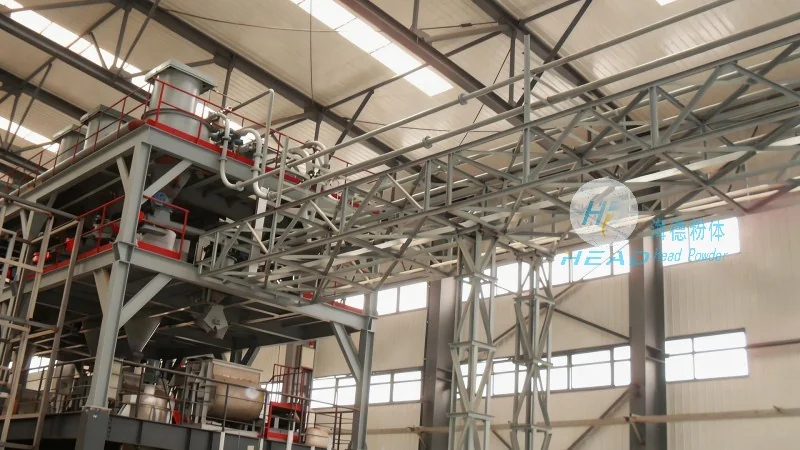
Screw or auger conveying is a mechanical method that uses a rotating screw to move PVC resin through a tube or conveyor. This approach is ideal for short to medium distances and is commonly used in processing plants where the resin needs to be moved from one processing stage to another. The screw design can be customized to handle different resin characteristics, such as varying moisture content or particle size. Screw conveyors are known for their simplicity and reliability, making them a popular choice in many industrial settings. Shandong HeadPowder Engineering Co., Ltd. manufactures screw conveyors tailored to the specific needs of PVC resin handling, ensuring efficient and low-maintenance operation.
Other Conveying Options for PVC Resin
Beyond the primary methods mentioned above, other techniques may be employed depending on the specific requirements of the application. For instance, pneumatic conveying systems that combine elements of both vacuum and positive pressure can offer enhanced flexibility. Additionally, some facilities may use gravity feed or belt conveyors for short horizontal or vertical transport segments. Each of these methods has its own set of advantages and limitations, and the choice ultimately depends on the operational context and material characteristics.
Key Considerations for Selecting a Conveying Method
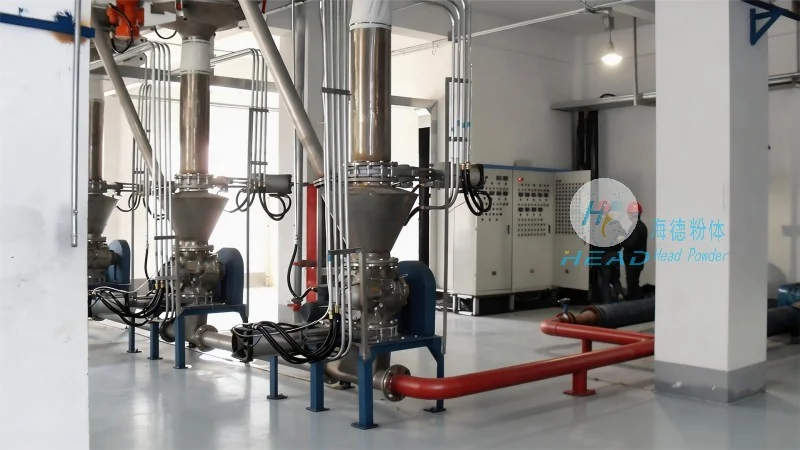
When selecting a PVC resin conveying method, several factors must be considered to ensure optimal performance and safety. These include the physical properties of the resin, such as particle size, moisture content, and flowability. The distance and layout of the conveying system, as well as the required flow rate, are also critical. Additionally, the need for dust control and environmental compliance must be addressed. Shandong HeadPowder Engineering Co., Ltd. advises clients to conduct a thorough assessment of their specific needs before choosing a conveying method, ensuring that the selected system aligns with their operational goals and safety standards.
Conclusion
Choosing the right PVC resin conveying method is essential for maintaining efficiency and safety in industrial operations. Whether using vacuum, positive pressure, or screw conveyors, the goal is to ensure reliable material transport while minimizing risks. Shandong HeadPowder Engineering Co., Ltd. provides comprehensive solutions for PVC resin handling, combining expertise in conveying technology with a commitment to quality and customer satisfaction. By understanding the unique requirements of each application, companies can select the most appropriate conveying method to enhance their production processes and overall operational performance.