

What Are the Glass Fiber Conveying Methods?
For industrial applications that require the efficient and reliable transportation of glass fibers, selecting the appropriate conveying method is crucial. The choice of conveying system directly impacts operational efficiency, material handling costs, and overall production quality. This article explores the various glass fiber conveying methods offered by Shandong HeadPowder Engineering Co., Ltd., a leading provider in the field, focusing on the technical aspects and practical applications of each method.
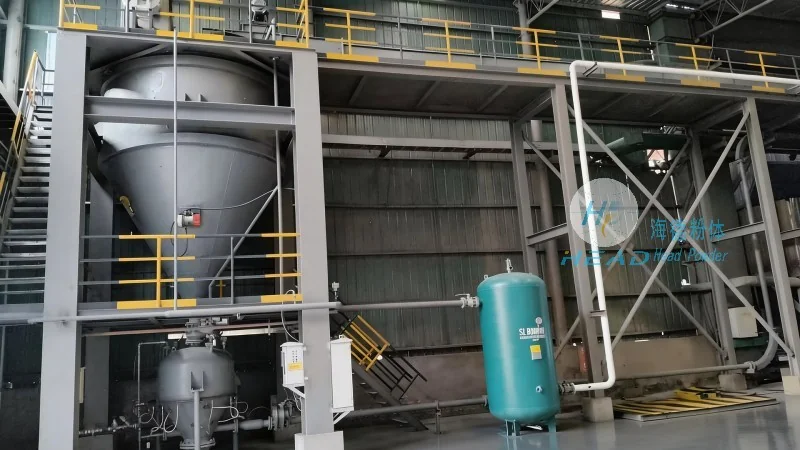
1. Pneumatic Conveying Systems
Pneumatic conveying, also known as air conveying, is a widely used method for transporting glass fibers due to its flexibility and ability to handle a variety of particle sizes and moisture levels. This system operates by using compressed air to move materials through a pipeline. There are two main types of pneumatic conveying: pressure and vacuum systems. Pressure systems use positive pressure to push the material forward, while vacuum systems use negative pressure to pull the material. The choice between these depends on factors such as the distance to be covered, the material's properties, and the system's capacity requirements. Pneumatic conveying is particularly effective for transporting glass fibers in powder or short fiber forms, ensuring minimal material degradation and consistent flow rates. HeadPowder's pneumatic conveying solutions are designed with high-quality components, including robust airlocks, efficient separation systems, and durable pipeline materials, to ensure long-term performance and reliability in industrial settings.
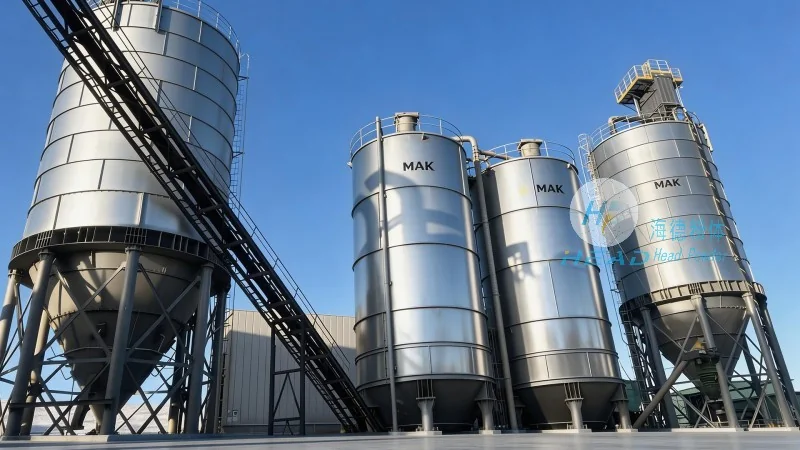
2. Mechanical Conveying Systems

Mechanical conveying systems utilize mechanical components like belts, screws, and buckets to transport glass fibers. These systems are ideal for applications where pneumatic conveying is not feasible or where higher material loads are required. Belt conveyors are commonly used for horizontal or slight incline transport, providing a continuous and smooth flow of glass fibers. Screw conveyors, on the other hand, are effective for vertical or inclined transport, using a rotating screw to push materials through a tube. Bucket elevators are another option, particularly suitable for vertical lifting of glass fibers, especially in applications with high material volumes. Mechanical conveying systems offer advantages such as low energy consumption, minimal air pollution, and the ability to handle larger quantities of material compared to pneumatic systems. However, they may require more maintenance and are less flexible in terms of material handling compared to pneumatic systems. HeadPowder's mechanical conveying solutions are engineered to handle the specific demands of glass fiber transport, with features like wear-resistant materials, adjustable speed controls, and integrated safety mechanisms to ensure safe and efficient operation.
3. Hydraulic Conveying Systems
Hydraulic conveying systems use fluid pressure to transport glass fibers, typically in a slurry form. This method is particularly useful for transporting glass fibers that are mixed with water or other liquids, such as in the production of glass fiber-reinforced composites. The system consists of a pump that pushes the slurry through a pipeline, with the glass fibers suspended in the liquid. The fluid is then separated from the fibers at the destination, allowing for efficient recovery of the material. Hydraulic conveying offers advantages such as the ability to transport materials over long distances with high efficiency and the capacity to handle large volumes of material. However, it requires careful control of the fluid properties and may involve additional steps for material separation and drying. HeadPowder's hydraulic conveying solutions are designed to handle the specific challenges of glass fiber slurry transport, with features like high-pressure pumps, specialized pipeline materials, and advanced separation technologies to ensure optimal performance and minimal material loss.
4. Combination Conveying Systems
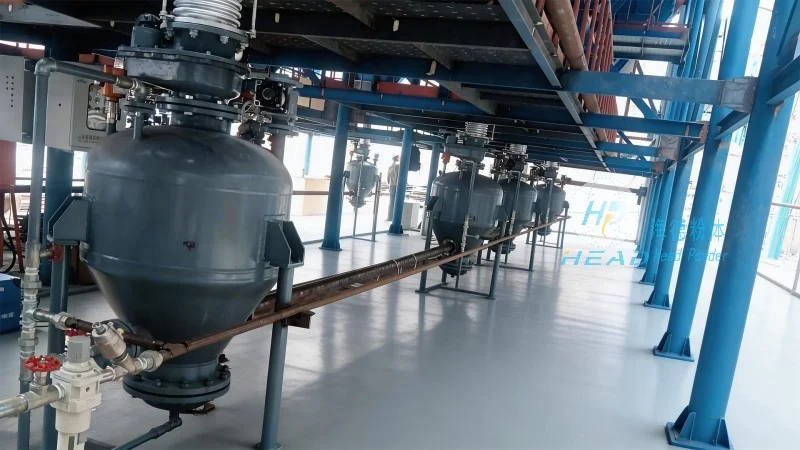
In many industrial applications, a single conveying method may not be sufficient to meet all the requirements. Combination conveying systems, which integrate multiple types of conveying technologies, offer a flexible and efficient solution for glass fiber transport. These systems may combine pneumatic and mechanical components to handle different stages of the transport process, such as using a pneumatic system for initial material transfer and a mechanical system for final delivery. Combination systems are particularly useful in complex production lines where glass fibers need to be transported to multiple destinations or processed through different stages. HeadPowder's combination conveying solutions are tailored to the specific needs of each client, incorporating the best features of pneumatic, mechanical, and hydraulic systems to ensure optimal performance and cost-effectiveness. These systems are designed with modular components, allowing for easy integration and future expansion as production needs evolve.