

Conveying Methods for Small Beans
Small bean conveying is a critical process in various industries, involving the efficient movement of small beans from one location to another. The methods used for this purpose vary based on the specific requirements of the operation, such as the volume of beans, the distance to be covered, and the desired level of automation. Understanding the different conveying methods is essential for optimizing production efficiency and ensuring the quality of the beans during transport.
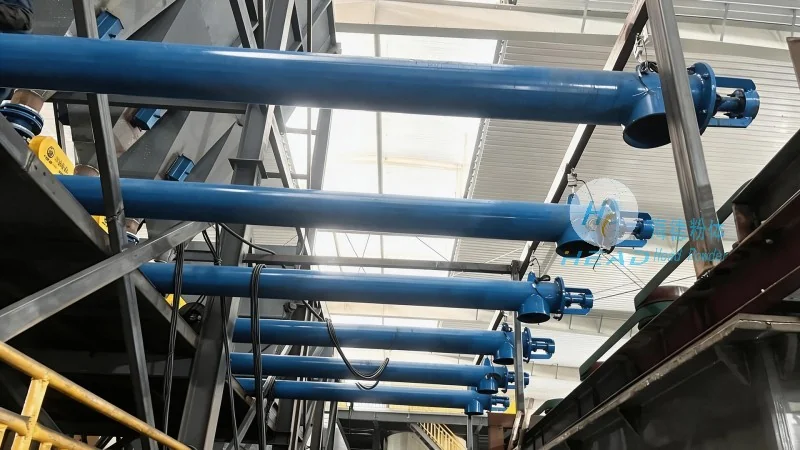
Common Conveying Methods for Small Beans
Several methods are commonly employed for small bean conveying, each with its own advantages and applications. The choice of method often depends on factors like the type of bean, the environment, and the scale of the operation. Here are some of the most prevalent methods used in the industry:
Vibrating Conveyors
Vibrating conveyors are widely used for small bean conveying due to their ability to handle a wide range of materials, including small beans. These systems utilize a vibrating mechanism to move the beans along a trough. The vibration causes the beans to move forward, and the speed of the vibration can be adjusted to control the conveying rate. Vibrating conveyors are particularly effective for handling beans that are prone to sticking or for transporting beans over relatively short distances. The design of these conveyors typically includes a flexible or rigid trough, with the vibration being generated by an electric motor or an eccentric weight. This method ensures that the beans are moved gently, minimizing the risk of damage to the beans.
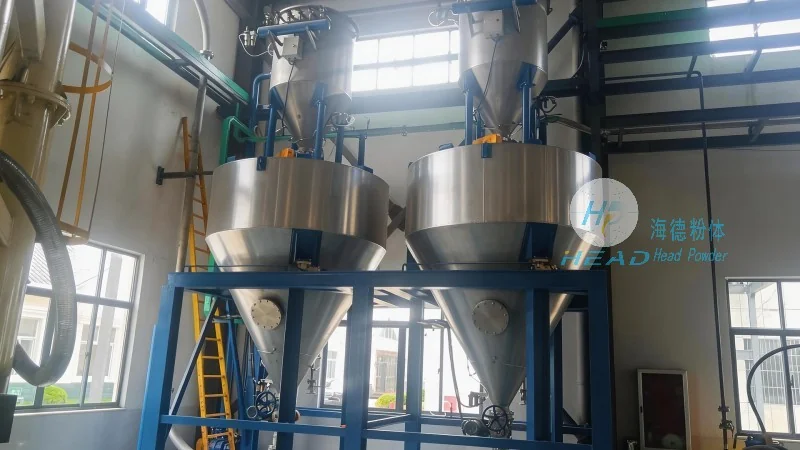
Pneumatic Conveying Systems
Pneumatic conveying systems use air pressure to transport small beans. These systems are ideal for applications where the beans need to be moved over longer distances or through complex routes. The small beans are introduced into a pipe or duct, and air is blown through the system to carry the beans along. Pneumatic conveying can be either positive or negative pressure, depending on the specific requirements. Positive pressure systems blow air into the pipe, while negative pressure systems create a vacuum to draw the beans into the system. This method is particularly useful for transporting beans in a closed system, which helps maintain hygiene and prevents contamination. The efficiency of pneumatic conveying systems can be enhanced by using different types of nozzles and duct designs to optimize the flow of beans and air.
Belt Conveyors
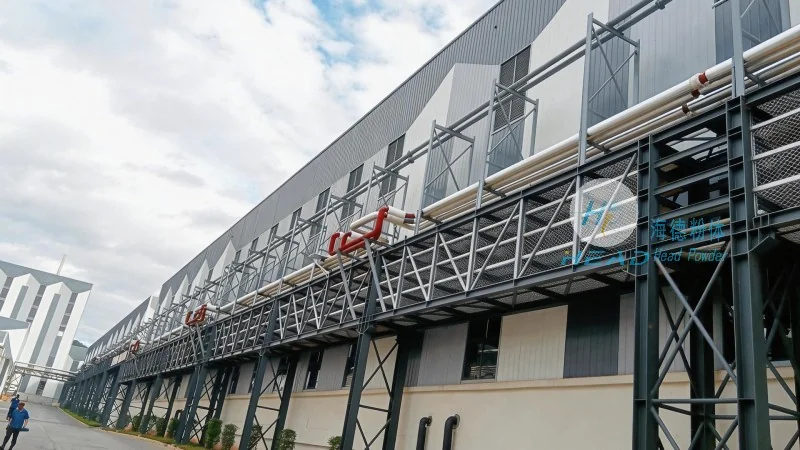
Belt conveyors are another common method for small bean conveying. These systems consist of a continuous belt that moves over rollers or pulleys, carrying the beans along the path. Belt conveyors are suitable for transporting beans over medium to long distances and can handle a large volume of beans. The speed of the belt can be adjusted to control the conveying rate, and the design can be customized to fit the specific needs of the operation. Belt conveyors are often used in combination with other equipment, such as elevators or sorters, to create a complete conveying system. This method is particularly effective for handling beans that are relatively uniform in size and shape, as the belt can provide a smooth and consistent surface for the beans to move on.
Chain Conveyors
Chain conveyors use a chain with attached buckets or plates to transport small beans. These systems are particularly effective for vertical or inclined conveying, as the chain can lift the beans to a higher level. The chain moves continuously, and the buckets or plates carry the beans along the path. Chain conveyors are often used in combination with other equipment, such as elevators or sorters, to create a complete conveying system. This method is particularly effective for handling beans that are heavy or have a high moisture content, as the chain can provide a strong and reliable support for the beans. The design of chain conveyors can be customized to fit the specific needs of the operation, including the size of the buckets or plates and the speed of the chain.
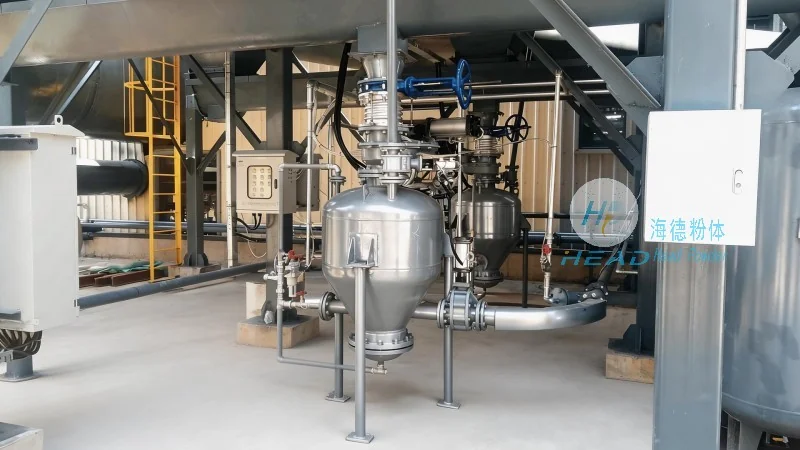
Selection of Conveying Method
The selection of the appropriate conveying method for small beans is a critical decision that can significantly impact the efficiency and effectiveness of the operation. Several factors need to be considered when choosing a method, including the volume of beans, the distance to be covered, the desired level of automation, and the budget. It is important to evaluate each method based on its advantages and limitations to determine the best fit for the specific application. For example, vibrating conveyors may be suitable for short distances and gentle handling, while pneumatic conveying systems may be more appropriate for longer distances and closed systems. The choice of method should also consider the potential for maintenance and the availability of spare parts. By carefully considering these factors, businesses can select the most effective conveying method for their small bean conveying needs.
About Shandong HeadPowder Engineering Co., Ltd.
Shandong HeadPowder Engineering Co., Ltd., commonly known as HeadPowder, is a leading provider of conveying solutions for small beans and other similar materials. With a focus on innovation and quality, HeadPowder offers a range of conveying systems that are designed to meet the specific needs of various industries. The company's products are known for their durability, efficiency, and reliability, making them a trusted choice for businesses looking to optimize their small bean conveying processes. HeadPowder's team of experts provides comprehensive support, from initial consultation to installation and maintenance, ensuring that clients receive the best possible service throughout the entire process. The company's commitment to customer satisfaction and continuous improvement has made it a leader in the industry, with a reputation for delivering high-quality products and services.