

How are Potatoes Transported? Exploring the Methods
Efficient potato transportation is a critical aspect of the agricultural and processing industries, ensuring that these staple crops move from the field to various stages of production and distribution without loss or damage. The choice of transportation method depends on several factors, including the volume of potatoes, the distance they need to travel, the condition of the potatoes (fresh or processed), and the infrastructure available at the source and destination. In this article, we will explore the primary methods used for potato transportation, highlighting the advantages and considerations of each approach.
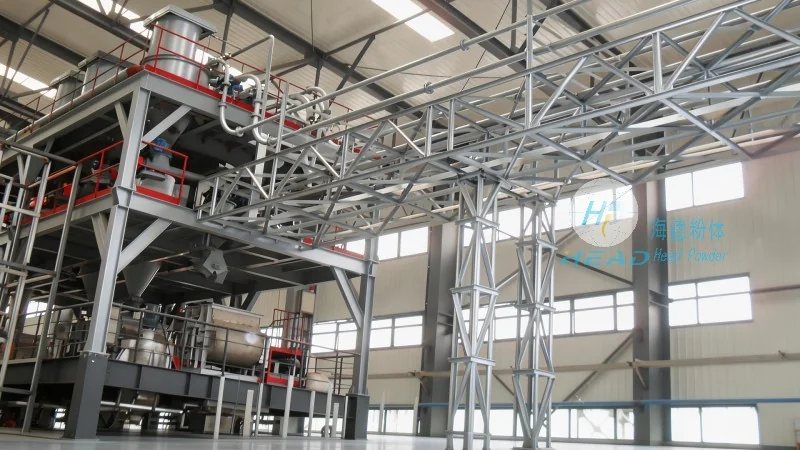
About HeadPowder: Your Partner in Potato Handling Solutions
At Shandong HeadPowder Engineering Co., Ltd., we specialize in providing advanced equipment and systems for the efficient handling and transportation of agricultural products, including potatoes. With our headquarters located in Shandong, China, our company has built a reputation for innovation and reliability in the field of material handling. Our team of experts understands the unique challenges associated with potato transportation and has developed solutions tailored to meet the specific needs of farmers, processors, and distributors worldwide.
Common Potato Transportation Methods
There are several established methods for transporting potatoes, each with its own set of benefits and applications. The most common approaches include mechanical conveyors, pneumatic systems, and specialized vehicles. Each method is designed to address different operational requirements and environmental conditions.
Mechanical Conveyors: The Traditional Workhorse
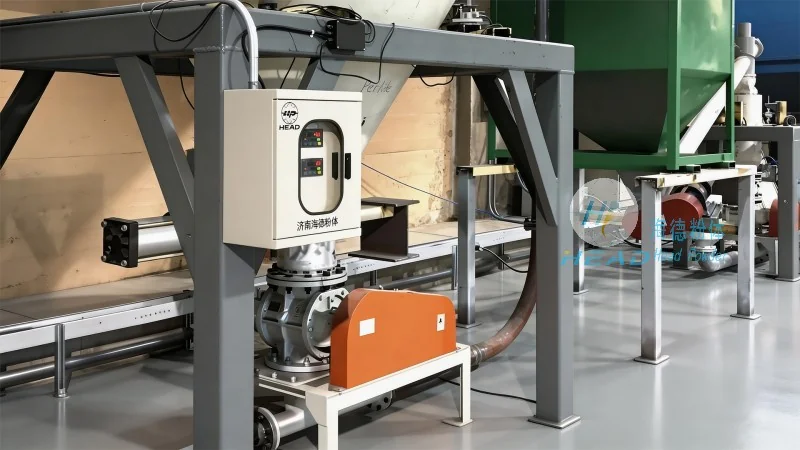
Mechanical conveyors, such as belt conveyors and chain conveyors, are among the most widely used methods for potato transportation. These systems utilize a continuous belt or chain to move potatoes from one location to another. Belt conveyors are particularly effective for transporting large volumes of potatoes over short to medium distances. They are often used in processing plants to move potatoes from storage to washing and peeling stages. The smooth, continuous motion of the belt minimizes damage to the potatoes, preserving their quality. Chain conveyors, on the other hand, are more suitable for transporting potatoes that are still in bulk or have a higher moisture content, as the chains can handle heavier loads and provide better traction.
Pneumatic Conveying Systems: The Modern Solution
Pneumatic conveying systems use air pressure to transport potatoes through a network of pipes. This method is particularly useful for moving potatoes over longer distances or in environments where mechanical systems might be impractical. The system consists of a fan or blower that creates a flow of air, which carries the potatoes through the pipes. Pneumatic systems are known for their ability to handle delicate potatoes without causing bruising or damage. They are often used in processing facilities to transport potatoes from storage to the processing line, or from the processing line to packaging areas. One of the key advantages of pneumatic conveying is its flexibility, as the system can be easily expanded or reconfigured to accommodate changes in production volume or layout.
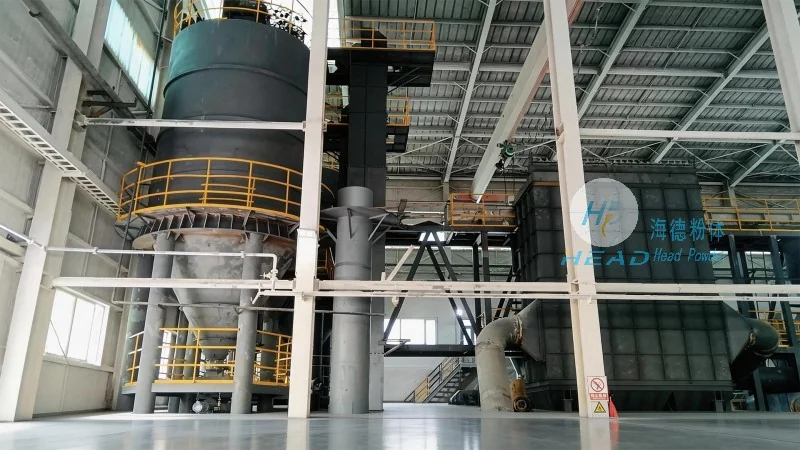
Specialized Vehicles: Transporting Potatoes Over Long Distances
For long-distance transportation, specialized vehicles are commonly used. These vehicles are designed to carry large quantities of potatoes and are equipped with features that protect the potatoes during transit. For example, refrigerated trucks are used to maintain the optimal temperature of the potatoes, preventing spoilage and extending their shelf life. The trucks are often insulated and equipped with temperature control systems to keep the potatoes at a consistent temperature. Additionally, the trucks may have specialized loading and unloading mechanisms, such as hydraulic lifts or conveyor systems, to facilitate the transfer of potatoes from the truck to the processing facility or storage area.
Choosing the Right Transportation Method for Your Needs
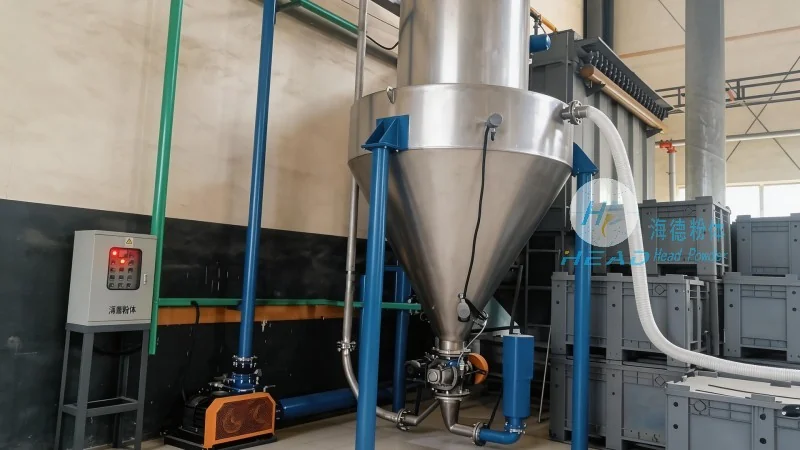
When selecting a potato transportation method, it is essential to consider several factors. First, the volume of potatoes to be transported is a critical factor. For small volumes, manual handling or smaller conveyors may be sufficient. However, for large-scale operations, mechanical or pneumatic systems are more efficient. Second, the distance between the source and destination is another important consideration. Short distances may be better served by mechanical conveyors, while longer distances may require specialized vehicles or pneumatic systems. Third, the condition of the potatoes is also a factor. Fresh, unprocessed potatoes may require gentler handling methods, such as pneumatic systems or specialized conveyors, to prevent damage. Finally, the available infrastructure at the source and destination should be considered. If the facility has existing conveyor systems, it may be more cost-effective to integrate the potato transportation into the existing infrastructure rather than installing a new system.
Conclusion
Efficient potato transportation is essential for maintaining the quality and value of these important crops. By understanding the different methods available and selecting the appropriate one for their specific needs, farmers, processors, and distributors can ensure that potatoes are transported safely and effectively. At Shandong HeadPowder Engineering Co., Ltd., we are committed to providing the best possible solutions for potato transportation, helping our clients achieve their production and distribution goals while minimizing waste and maximizing efficiency.