

Methods of Expanded Perlite Transportation
Expanded perlite, a lightweight, inorganic insulating material, is widely used in construction and industrial applications. The efficient transportation of this material is crucial for maintaining its quality and ensuring smooth supply chain operations. This article explores the common methods used for transporting expanded perlite, highlighting the key considerations and best practices for each approach. As a leading manufacturer of expanded perlite, Shandong HeadPowder Engineering Co., Ltd. (headpowder) understands the importance of reliable transportation methods in delivering high-quality perlite to customers worldwide.
Common Transportation Methods for Expanded Perlite
Several methods are employed to transport expanded perlite, each with its own advantages and suitability for different scenarios. The primary methods include bulk handling, containerized transport, and specialized equipment transport. Understanding these methods helps in selecting the most appropriate option based on the volume, destination, and handling requirements.
Bulk Handling and Silo Transport
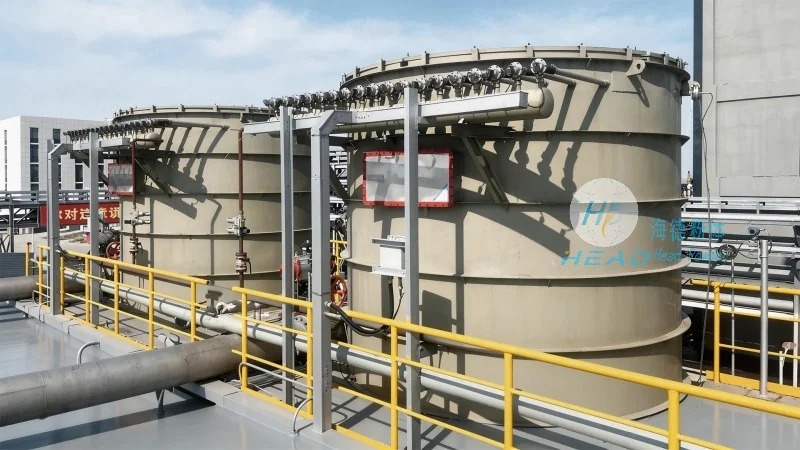
Bulk handling is a common method for transporting large quantities of expanded perlite. This approach involves loading the material into silos or bulk containers at the production site and then transferring it to transportation vehicles. Silo systems are particularly effective for long-term storage and continuous supply, ensuring a steady flow of material to construction sites or industrial facilities. The use of silos minimizes material degradation and reduces the risk of spillage during transit.
For bulk transport, trucks equipped with specialized bulk tanks or hopper trucks are used to carry the perlite. These vehicles are designed to handle the lightweight, powdery nature of the material, preventing it from escaping through the vehicle's structure. The process typically involves loading the silo at the production facility, transferring the material to the truck, and then delivering it to the customer's location. This method is ideal for large-scale projects where high volumes of perlite are required, such as in the production of lightweight concrete or thermal insulation systems.
Containerized Transport
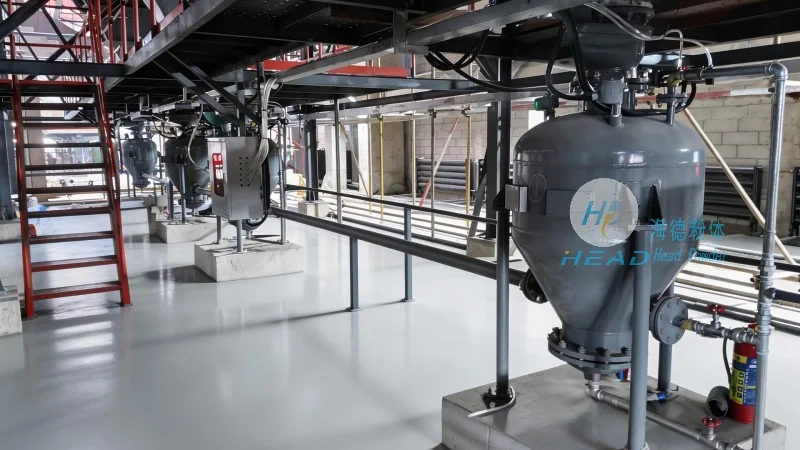
Containerized transport is another popular method, especially for international or long-distance shipments. Expanded perlite is often packaged in bulk containers, such as ISO containers, which are sealed and secured to prevent contamination and loss during transit. This method is particularly useful when transporting perlite to regions with strict import regulations or when the material needs to be stored for extended periods. The containers are designed to maintain the material's integrity, protecting it from moisture and other environmental factors that could affect its performance.
When using containerized transport, the perlite is loaded into the container at the production site, and the container is then transported to the port or border crossing. From there, it is shipped to the destination country and unloaded at the receiving facility. This method ensures that the material remains in a controlled environment throughout the journey, reducing the risk of damage or contamination. It is commonly used for projects that require a consistent supply of perlite over an extended period, such as in large-scale building projects or industrial manufacturing.
Specialized Equipment Transport
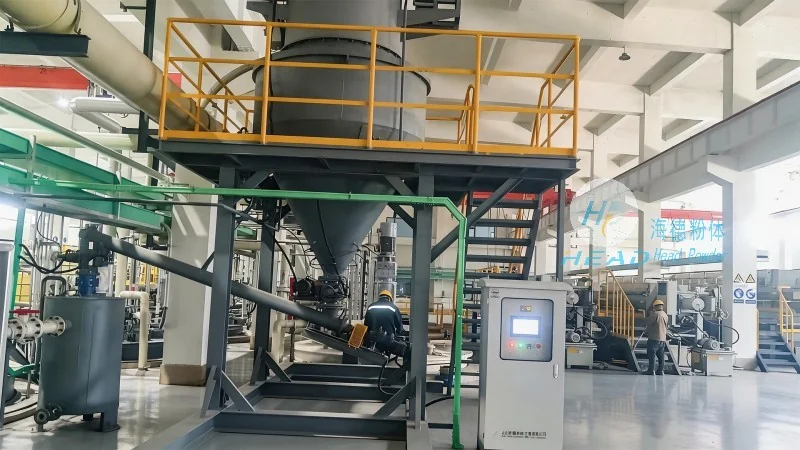
Specialized equipment transport is used for smaller quantities or when the material needs to be handled with precision. This method involves using specialized vehicles, such as bulk loaders or vacuum trucks, to transport the perlite. These vehicles are equipped with systems that prevent the material from escaping or being contaminated during transit. For example, vacuum trucks use suction to load and transport the perlite, ensuring a clean and efficient process. This method is particularly useful for transporting perlite to job sites where the material needs to be applied directly, such as in on-site insulation work.
Specialized equipment transport is also beneficial for transporting perlite in smaller batches, such as for research or laboratory use. These vehicles are designed to handle the unique properties of expanded perlite, ensuring that the material remains in its original state. The use of specialized equipment minimizes the risk of material degradation and ensures that the perlite arrives at its destination in optimal condition. This method is often used in conjunction with bulk or containerized transport, providing a flexible solution for different transportation needs.
Key Considerations for Expanded Perlite Transportation
When selecting a transportation method for expanded perlite, several factors must be considered to ensure the material's quality and the efficiency of the supply chain. The first consideration is the volume of material to be transported. For large-scale projects, bulk handling or containerized transport may be more cost-effective, while specialized equipment transport is better suited for smaller quantities. The destination of the perlite is another critical factor, as different regions may have specific regulations or requirements for the material's transport.
Environmental factors also play a role in transportation decisions. Expanded perlite is a lightweight, powdery material that can be easily affected by moisture or other environmental conditions. Therefore, it is essential to use sealed containers or specialized equipment to protect the material during transit. The choice of transportation method should also consider the distance and duration of the journey, as longer trips may require additional measures to maintain the material's integrity.
Cost is another important consideration. Bulk handling and containerized transport are generally more cost-effective for large volumes, while specialized equipment transport may be more expensive for smaller quantities. However, the cost-effectiveness of each method depends on the specific project requirements and the availability of resources. It is essential to evaluate the total cost, including transportation, storage, and handling, to determine the most suitable option.