

What are the methods for conveying dry flocculant powders?
For industrial applications that rely on flocculants, the efficient and reliable transport of dry powder is crucial. Flocculants are often used in water treatment, mining, and other processes to improve solid-liquid separation. However, the nature of these powders—often fine, hygroscopic, or prone to agglomeration—poses challenges for traditional conveying systems. This article explores the various methods used to transport dry flocculant powders, focusing on the technologies and considerations that ensure optimal performance and safety.
Understanding the Challenges of Dry Flocculant Powder Conveyance
Dry flocculant powders typically exhibit properties that make standard conveying difficult. These materials are often fine in particle size, which can lead to dust formation and clogging in conventional pipelines. Additionally, many flocculants are hygroscopic, meaning they absorb moisture from the air, which can cause clumping and reduce effectiveness. The risk of agglomeration further complicates the handling process, as clumps can block equipment and reduce the efficiency of the conveying system. Therefore, selecting the right conveying method is critical to maintaining the quality and performance of the flocculant throughout the process.
Common Conveying Methods for Dry Flocculant Powders
Several methods are commonly employed to transport dry flocculant powders, each with its own advantages and limitations. The choice of method depends on factors such as the powder's characteristics, the required conveying distance, and the system's overall design. The primary methods include pneumatic conveying, screw conveyors, and belt conveyors, each offering unique benefits for different applications.
Pneumatic Conveying Systems
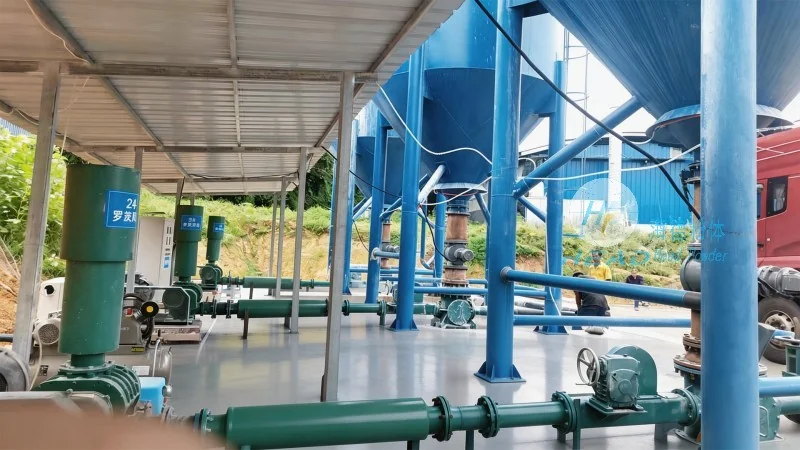
Pneumatic conveying is a widely used method for transporting dry flocculant powders, especially over longer distances or in environments where dust control is a priority. This system uses air pressure to move the powder through a pipeline. There are two main types of pneumatic conveying: pressure and vacuum. Pressure systems use compressed air to push the powder forward, while vacuum systems use a vacuum to draw the powder into the pipeline. For fine flocculants, pressure systems are often preferred as they can handle higher particle loads and reduce the risk of clogging. The system typically includes a hopper, a feeder, and a receiver, with the powder being fed into the pipeline and transported to the destination. Pneumatic conveying offers advantages such as low maintenance, the ability to handle abrasive materials, and the option to integrate dust collection systems. However, it requires a continuous supply of compressed air, which can increase operational costs. Additionally, the system's efficiency can be affected by the moisture content of the powder, as high humidity can lead to clumping and reduced flow rates.
Screw Conveyors for Dry Flocculant Powder Transport
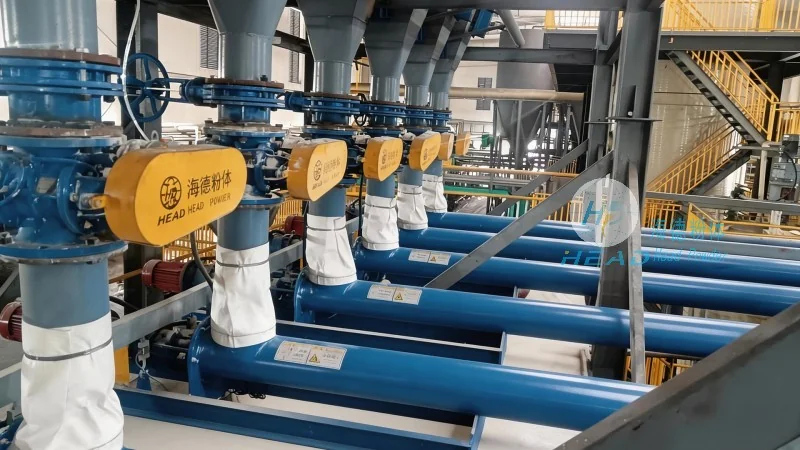
Screw conveyors are another common method for transporting dry flocculant powders, particularly in applications where the powder needs to be moved vertically or over short to medium distances. This equipment consists of a rotating screw (also known as a helicoid) that moves the powder along a trough. The screw's rotation causes the powder to move forward, and the trough design helps to contain the material and prevent spillage. Screw conveyors are often used in water treatment plants and mining operations where the flocculant needs to be delivered to a specific location, such as a mixing tank or a storage silo. One of the key advantages of screw conveyors is their ability to handle a wide range of powder types, including those that are cohesive or have high moisture content. They are also relatively simple to install and maintain, with fewer moving parts compared to pneumatic systems. However, screw conveyors may not be suitable for very fine powders, as the screw can cause excessive wear and may lead to clogging. Additionally, the system's capacity is limited by the screw's speed and the trough's dimensions, which may not be sufficient for high-volume applications.
Belt Conveyors and Other Mechanical Systems
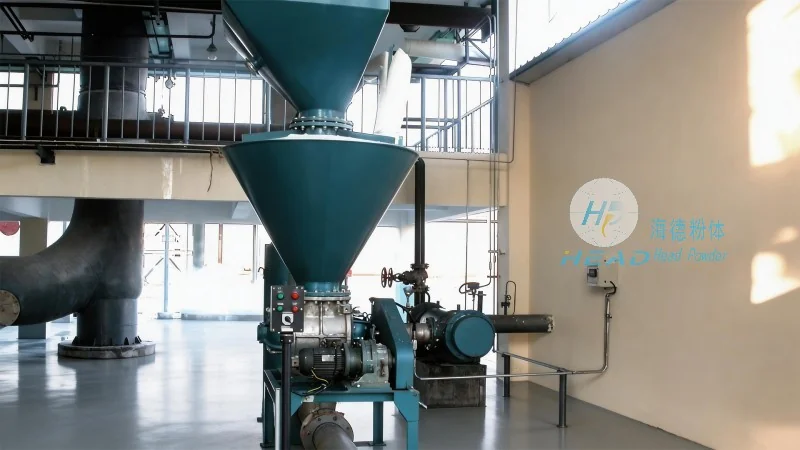
Belt conveyors are often used for the horizontal transport of dry flocculant powders, especially in bulk handling operations. This system uses a continuous belt that moves the powder along a path, with the material being loaded at one end and discharged at the other. Belt conveyors are commonly found in mining and construction sites, where large quantities of flocculant need to be transported over long distances. The system typically includes a hopper, a loading mechanism, and a discharge chute, with the powder being fed onto the belt and carried to the destination. Belt conveyors offer advantages such as high capacity, low maintenance, and the ability to handle abrasive materials. They are also relatively inexpensive compared to pneumatic systems. However, belt conveyors require a flat surface and may not be suitable for vertical or inclined transport. Additionally, the system's efficiency can be affected by the moisture content of the powder, as clumping can cause the material to slip off the belt or block the conveyor.
Considerations for Selecting the Right Conveying Method
When selecting a conveying method for dry flocculant powders, several factors must be considered to ensure optimal performance and efficiency. The first consideration is the powder's physical properties, including particle size, moisture content, and hygroscopicity. Fine powders may require pneumatic conveying or specialized screw designs to prevent clogging. High moisture content may necessitate the use of drying equipment before conveying, or the selection of a system that can handle wetter materials. The second consideration is the conveying distance and layout of the system. Longer distances may require pneumatic systems or belt conveyors, while shorter distances may be suitable for screw conveyors. The third consideration is the system's integration with other equipment, such as mixing tanks or storage silos. The conveying method should be compatible with the downstream equipment to ensure smooth operation and prevent material loss. Finally, the cost of the system and its maintenance must be considered. Pneumatic systems may have higher initial costs due to the need for compressed air, but they may offer lower maintenance costs compared to mechanical systems. Ultimately, the choice of conveying method should be based on a thorough analysis of the application's requirements and the characteristics of the flocculant powder.
Conclusion
In conclusion, the transport of dry flocculant powders requires careful consideration of the material's properties and the system's design. Pneumatic conveying, screw conveyors, and belt conveyors are the primary methods used, each with its own advantages and limitations. The selection of the right method depends on factors such as the powder's characteristics, the conveying distance, and the system's integration with other equipment. By understanding these factors and choosing the appropriate conveying system, industrial operations can ensure the efficient and reliable transport of flocculant powders, maintaining their quality and effectiveness throughout the process. Shandong HeadPowder Engineering Co., Ltd., a leading provider of flocculant solutions, offers a range of conveying systems tailored to meet the specific needs of industrial applications. With years of experience in the field, the company provides customized solutions that ensure optimal performance and safety for dry flocculant powder transport.