

[COPY]Common Methods for Ash and Slag Transport
When it comes to the efficient and reliable transport of ash and slag from industrial facilities, selecting the right method is crucial for maintaining operational efficiency and ensuring environmental compliance. Various techniques have been developed over the years to handle these materials, each with its own advantages and applications. This article explores the common methods used for ash and slag transport, providing an overview of the technologies employed by companies like Shandong HeadPowder Engineering Co., Ltd., a leading provider in the field.

1. Pneumatic Conveying Systems
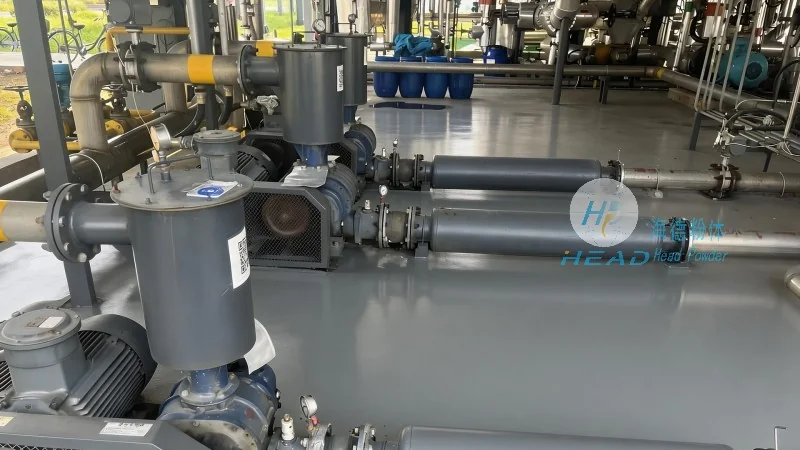
Pneumatic conveying is a widely used method for transporting ash and slag, particularly in applications where the material is dry and free-flowing. This system utilizes air pressure to move the material through a pipeline. There are two main types: pressure and vacuum systems. Pressure systems use compressed air to push the material forward, while vacuum systems use a vacuum to pull the material. The choice between these depends on factors such as the distance to be covered, the volume of material, and the required flow rate. Pneumatic conveying offers advantages like low maintenance, the ability to transport materials over long distances, and the option to handle multiple materials in the same line. However, it may not be suitable for wet or sticky materials, as this can lead to blockages and reduced efficiency.
2. Hydraulic Conveying Systems
Hydraulic conveying, also known as slurry transport, is another common method for handling ash and slag, especially when the material is mixed with water or other liquids. This system uses water or a slurry to transport the material through a pipeline. The material is suspended in the liquid, which allows it to be moved efficiently. Hydraulic conveying is particularly effective for transporting wet ash or slag from power plants or other industrial sites. It can handle a wide range of particle sizes and can be used over long distances. However, it requires more energy compared to pneumatic systems and may need additional equipment for dewatering and solid-liquid separation.
3. Mechanical Conveying Systems
Mechanical conveying systems utilize mechanical components to move ash and slag. These include belt conveyors, screw conveyors, and bucket elevators. Belt conveyors are commonly used for transporting dry ash over short to medium distances. They are simple in design, require low maintenance, and can handle large volumes of material. Screw conveyors are suitable for transporting dry or semi-dry ash and slag, especially in applications where the material needs to be mixed or blended. They are compact and can be installed in tight spaces. Bucket elevators are used to lift ash and slag vertically, often in combination with other conveying systems. Mechanical conveying systems are generally more cost-effective for short-distance transport and are suitable for a variety of materials.
4. Gravity Conveying Systems
Gravity conveying systems rely on the natural force of gravity to move ash and slag. This method is typically used for transporting dry ash from a higher elevation to a lower one. The material is allowed to flow down a sloped pipe or chute. Gravity conveying is simple and requires no moving parts, which reduces maintenance costs. However, it is limited by the slope of the terrain and the distance to be covered. It is most effective for short distances and when the material is dry and free-flowing. For longer distances or steeper slopes, additional equipment may be needed to assist with the transport.
5. Combined Systems
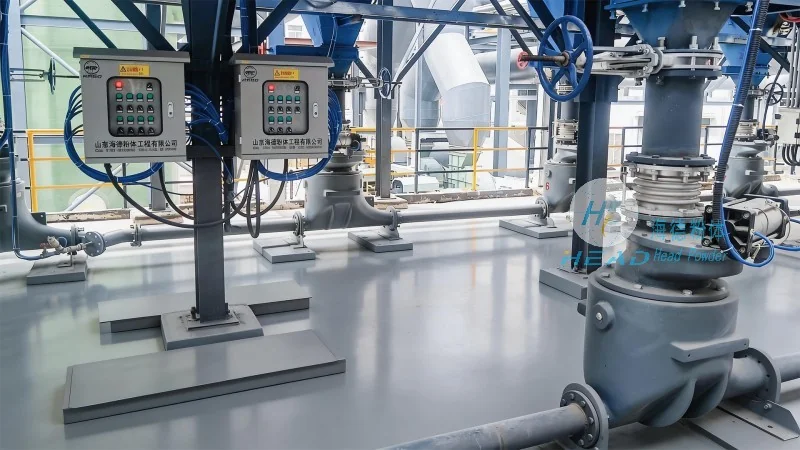
In many industrial applications, a combination of the above methods is used to achieve optimal transport. For example, a pneumatic system might be used to transport ash from a power plant to a storage facility, while a hydraulic system is used to transport the ash to a disposal site. The choice of system depends on the specific requirements of the project, including the type of material, the distance, and the environmental regulations. Companies like Shandong HeadPowder Engineering Co., Ltd. often provide customized solutions that integrate multiple systems to meet the needs of their clients.
Choosing the right ash and slag transport method is essential for the smooth operation of industrial facilities. Each method has its own advantages and limitations, and the selection should be based on a thorough analysis of the specific requirements. By understanding the different options available, companies can make informed decisions that lead to efficient and cost-effective transport of ash and slag. Shandong HeadPowder Engineering Co., Ltd. specializes in providing advanced transport solutions tailored to the needs of various industries, ensuring reliable and sustainable operation.