

[COPY]Common Methods for Rice Husk Conveying
When it comes to the efficient handling and transportation of rice husk, selecting the right conveying method is crucial for optimizing processing operations and ensuring operational efficiency. As a leading provider in the field, Shandong HeadPowder Engineering Co., Ltd. specializes in offering advanced solutions tailored to the unique needs of rice processing facilities. This article explores the common methods used for rice husk conveying, highlighting the key considerations and applications of each approach.
1. Mechanical Conveying Systems
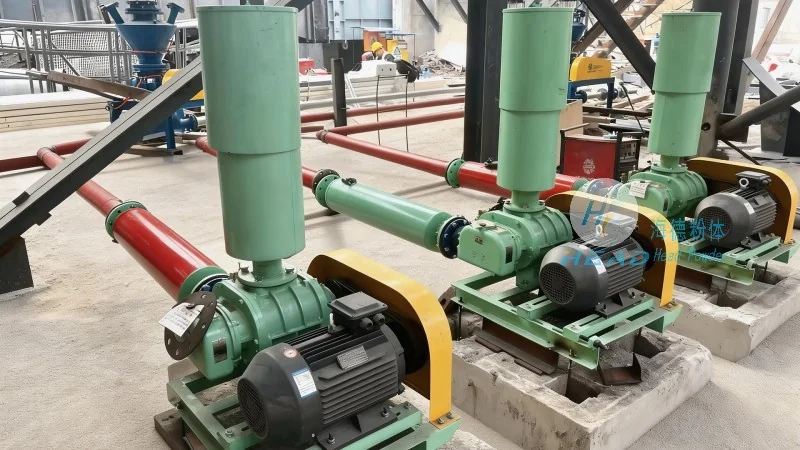
One of the most traditional and widely used methods for rice husk conveying is through mechanical systems. These systems typically involve components such as screw conveyors, belt conveyors, and bucket elevators, which rely on mechanical force to move the material. Screw conveyors, for instance, use a rotating helical screw to push the rice husk along a trough, making them ideal for horizontal or slight incline applications. Belt conveyors, on the other hand, utilize a continuous belt to transport the material, offering high capacity and flexibility in conveying routes. These mechanical systems are often preferred in applications where the rice husk is relatively dry and free-flowing, as they provide reliable and cost-effective solutions for short to medium distance conveying.
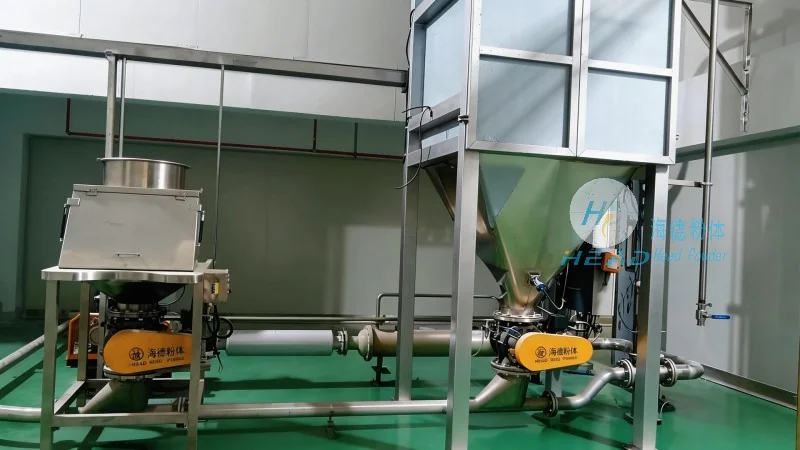
2. Pneumatic Conveying Systems
For more complex and demanding rice husk conveying tasks, pneumatic systems offer a versatile and efficient alternative. Pneumatic conveying uses air pressure to transport the material through a pipeline network, eliminating the need for mechanical components in many cases. There are two main types of pneumatic systems: positive displacement and negative pressure. Positive displacement systems, such as rotary lobe blowers, generate high-pressure air to push the rice husk through the pipeline, suitable for long-distance and high-capacity applications. Negative pressure systems, often using vacuum pumps, create a suction effect to draw the material into the pipeline, which is ideal for applications requiring gentle handling of the rice husk. Pneumatic systems are particularly advantageous when dealing with dusty or fine rice husk, as they can effectively control dust and minimize material degradation during transport.
3. Hydraulic Conveying Systems
While less common than mechanical or pneumatic systems, hydraulic conveying offers unique advantages in certain rice husk handling scenarios. Hydraulic systems utilize fluid power to move the material through a closed pipeline system. This method is particularly effective for conveying rice husk in high-temperature or corrosive environments, as the hydraulic fluid can provide excellent heat transfer and corrosion resistance. Hydraulic conveyors are often used in applications where the rice husk needs to be transported at high speeds or over long distances with minimal energy consumption. However, these systems require specialized maintenance and are generally more expensive to install compared to mechanical or pneumatic alternatives.
4. Combination Conveying Systems
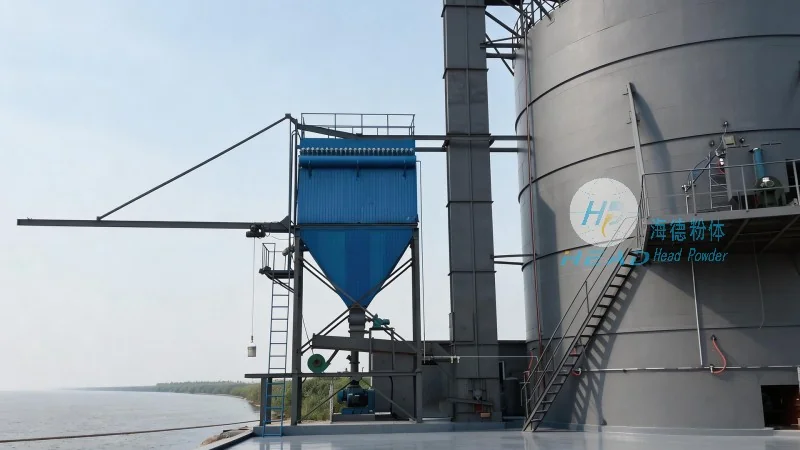
In many modern rice processing facilities, a combination of different conveying methods is employed to achieve optimal performance. For example, a facility might use a mechanical screw conveyor to move rice husk from a storage bin to a pneumatic conveying system for long-distance transport to a processing unit. This integrated approach allows for the efficient handling of varying material characteristics and operational requirements. By combining the strengths of different systems, such as the reliability of mechanical conveyors and the flexibility of pneumatic systems, rice processing plants can enhance overall operational efficiency and reduce downtime.
5. Key Factors to Consider When Choosing a Conveying Method
When selecting the appropriate rice husk conveying method, several key factors must be considered to ensure the best fit for the specific application. The first factor is the material characteristics, including the size, moisture content, and density of the rice husk. For example, fine or dusty rice husk may require a pneumatic system to prevent clogging and maintain consistent flow. The second factor is the conveying distance and layout of the processing facility. Short distances may be suitable for mechanical systems, while long distances often necessitate pneumatic or hydraulic solutions. The third factor is the required capacity and speed of the conveying operation. High-capacity applications may demand larger belt conveyors or high-pressure pneumatic systems. Finally, the budget and maintenance requirements should also be evaluated, as different systems have varying costs and maintenance needs.
6. Conclusion
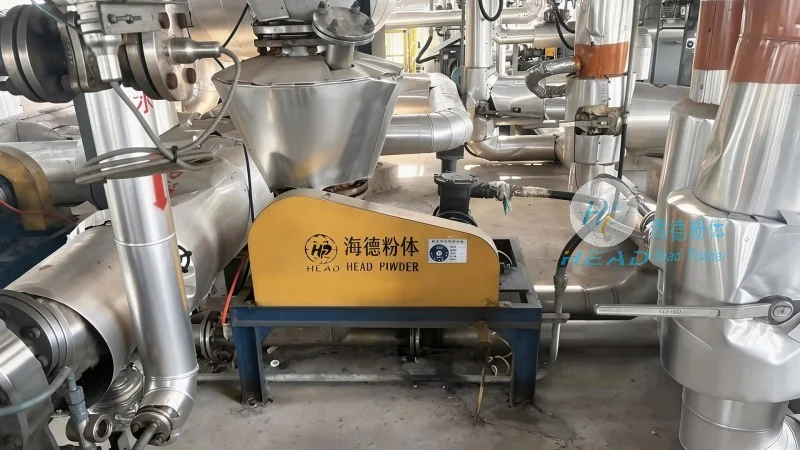
Choosing the right rice husk conveying method is essential for maximizing efficiency and productivity in rice processing operations. Whether using mechanical, pneumatic, hydraulic, or a combination of systems, Shandong HeadPowder Engineering Co., Ltd. provides comprehensive solutions tailored to the unique needs of each facility. By understanding the advantages and limitations of each conveying method and considering the specific requirements of the rice husk handling process, processing plants can select the most effective system to ensure smooth and reliable operation. With a focus on quality and innovation, HeadPowder continues to deliver advanced conveying solutions that meet the evolving demands of the rice industry.