

Common Methods of PTFE Conveying
PTFE (Polytetrafluoroethylene), known for its exceptional chemical resistance, low friction, and thermal stability, is widely used in various industrial applications. Efficient and reliable conveying of PTFE materials is crucial for maintaining production efficiency and product quality. This article explores the common methods used for PTFE conveying, highlighting the key considerations and applications in industrial settings.
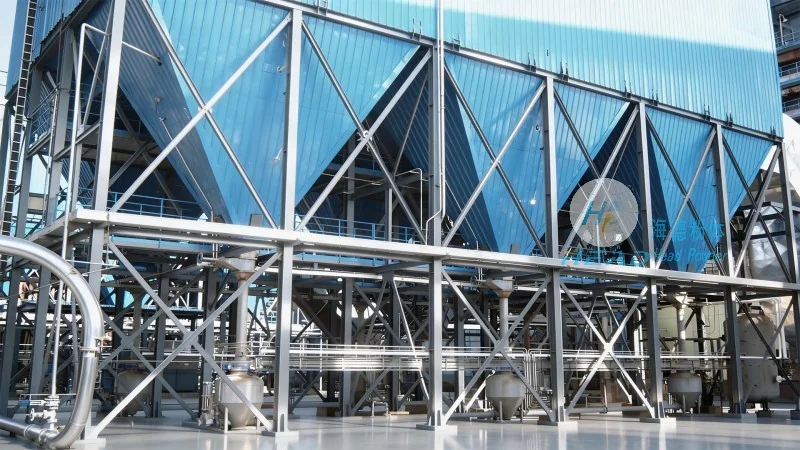
Introduction to PTFE Conveying
Before delving into specific conveying methods, it is essential to understand the unique properties of PTFE that influence the choice of conveying system. PTFE is a non-stick, inert material that can be challenging to handle due to its low coefficient of friction and tendency to cling to surfaces. Therefore, the conveying methods must be designed to minimize material degradation, ensure consistent flow, and prevent contamination. The choice of conveying method often depends on factors such as material size, flow rate, environmental conditions, and the specific application requirements.
1. Mechanical Conveying Systems
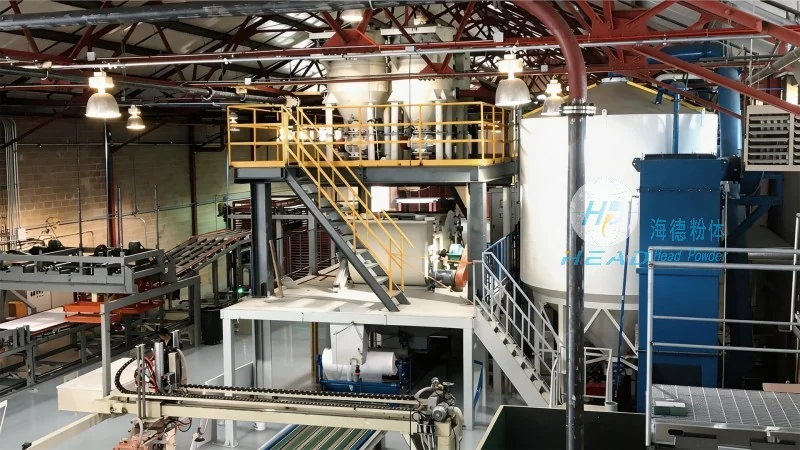
Mechanical conveying systems are among the most common methods for PTFE material handling. These systems utilize mechanical components like screws, belts, or chains to move PTFE particles or powders from one location to another. One of the primary advantages of mechanical conveyors is their ability to handle a wide range of PTFE products, including powders, granules, and even small pellets. For instance, Shandong HeadPowder Engineering Co., Ltd. specializes in manufacturing high-quality mechanical PTFE conveyors that are engineered to withstand the demanding conditions of PTFE processing. These conveyors often feature special coatings or materials to prevent PTFE from adhering to the internal surfaces, ensuring smooth and efficient material transfer. Mechanical conveyors are particularly suitable for applications where a continuous and controlled flow of PTFE is required, such as in the production of PTFE-based coatings or composites.
2. Pneumatic Conveying Systems
Pneumatic conveying systems use air or other gases to transport PTFE materials through a pipeline. This method is ideal for handling fine powders or granules that are difficult to convey mechanically. Pneumatic systems can be categorized into two main types: dilute-phase and dense-phase. Dilute-phase systems use low air velocity to move material in a cloud-like state, while dense-phase systems use higher air velocity to push material in a slurry-like state. The choice between these two depends on the material's characteristics and the required flow rate. Pneumatic conveying offers several benefits, including the ability to transport PTFE over long distances without the need for multiple transfer points and the reduced risk of material contamination. However, it is important to consider the energy consumption and the potential for material degradation due to friction and abrasion within the pipeline. Companies like HeadPowder have developed advanced pneumatic conveying solutions tailored to the unique needs of PTFE, ensuring reliable and efficient material transport.
3. Screw and Auger Conveyors
Screw and auger conveyors are a type of mechanical conveyor that uses a rotating screw or auger to move PTFE materials forward. These systems are particularly effective for conveying granular or pelletized PTFE, as the screw's rotation creates a continuous pushing action that prevents material from settling or clogging. Screw conveyors are often used in vertical or inclined applications, allowing for the elevation of PTFE materials to different levels within a facility. The design of the screw and the pitch (the distance between the screw flights) are critical factors that affect the conveying efficiency and the pressure drop within the system. Properly engineered screw conveyors can handle a wide range of PTFE products, including those with varying particle sizes and moisture content. HeadPowder's screw conveyors are designed with high-quality materials and precision manufacturing to ensure long-term performance and minimal maintenance. These conveyors are commonly used in PTFE processing plants for material transfer between storage silos, processing units, and packaging equipment.
4. Belt Conveyors
Belt conveyors are another common mechanical conveying method that utilizes a continuous belt to transport PTFE materials. This method is particularly suitable for handling larger PTFE particles or sheets, as the belt can accommodate a wider range of material sizes and shapes. Belt conveyors are often used in applications where the material needs to be transported over longer distances or at higher speeds. The key advantage of belt conveyors is their ability to handle abrasive or heavy PTFE materials without causing excessive wear to the conveyor components. The belt material is typically chosen to be compatible with PTFE, ensuring that the material does not stick to the belt surface. HeadPowder offers customized belt conveyor solutions that can be tailored to specific PTFE applications, such as the transport of PTFE sheets from cutting machines to packaging lines. These conveyors are designed with durable materials and advanced tensioning systems to ensure consistent performance and minimal downtime.
5. Vibratory Conveyors
Vibratory conveyors use vibrations to move PTFE materials along a trough or conveyor bed. This method is effective for handling fine powders or granules that are prone to clogging in traditional conveyors. The vibrations help to break up agglomerates and ensure a consistent flow of material. Vibratory conveyors are often used in applications where the material needs to be conveyed at a controlled rate, such as in the feeding of PTFE into processing equipment. The design of the vibratory system, including the frequency and amplitude of the vibrations, is critical to achieving optimal conveying performance. HeadPowder has developed specialized vibratory conveyors for PTFE that are engineered to handle the unique properties of PTFE, ensuring efficient material transport without causing damage to the material. These conveyors are commonly used in PTFE production lines for the transfer of fine powders or granules from storage to processing units.
6. Hydraulic Conveying Systems
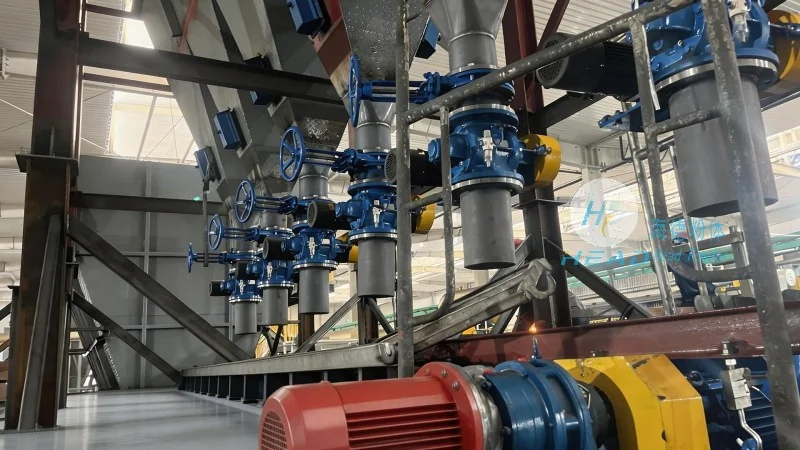
Hydraulic conveying systems use fluid pressure to transport PTFE materials through a pipeline. This method is less common for PTFE but can be used in specific applications where other methods are not suitable. Hydraulic systems are particularly effective for handling high-viscosity PTFE slurries or suspensions. The fluid acts as a carrier, moving the PTFE particles through the pipeline under pressure. The key advantage of hydraulic conveying is its ability to handle large volumes of material over long distances with minimal energy consumption. However, hydraulic systems require specialized equipment and maintenance, making them more suitable for industrial applications with high material throughput. HeadPowder has experience in designing and manufacturing hydraulic conveying systems for PTFE, ensuring reliable and efficient material transport in demanding environments.
Conclusion
In conclusion, the choice of PTFE conveying method depends on various factors, including the material's properties, the required flow rate, and the specific application. Mechanical, pneumatic, screw, belt, vibratory, and hydraulic systems each offer unique advantages and are suitable for different PTFE handling scenarios. Companies like Shandong HeadPowder Engineering Co., Ltd. play a crucial role in providing specialized PTFE conveying solutions that meet the diverse needs of industrial applications. By understanding the characteristics of PTFE and the capabilities of each conveying method, manufacturers can select the most appropriate system to ensure efficient, reliable, and cost-effective PTFE material handling. The continuous development of advanced conveying technologies by companies such as HeadPowder ensures that PTFE processing remains efficient and sustainable, supporting the growth of industries that rely on PTFE materials.