

Common Methods for Resin Powder Conveyance
When it comes to the efficient and reliable transport of resin powders in industrial settings, selecting the right conveyance method is crucial. Resin powders, with their unique properties such as fine particle size and potential for static charge, require specialized equipment to ensure safe and effective movement. This article explores the common methods used for resin powder conveyance, highlighting the key considerations and applications for each approach.
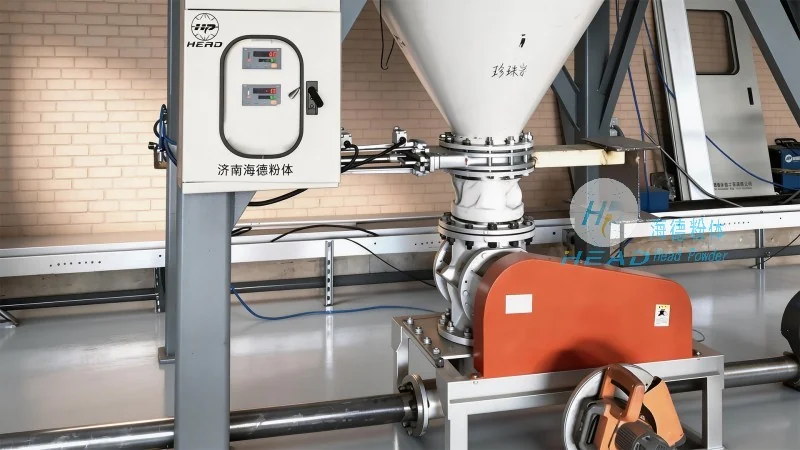
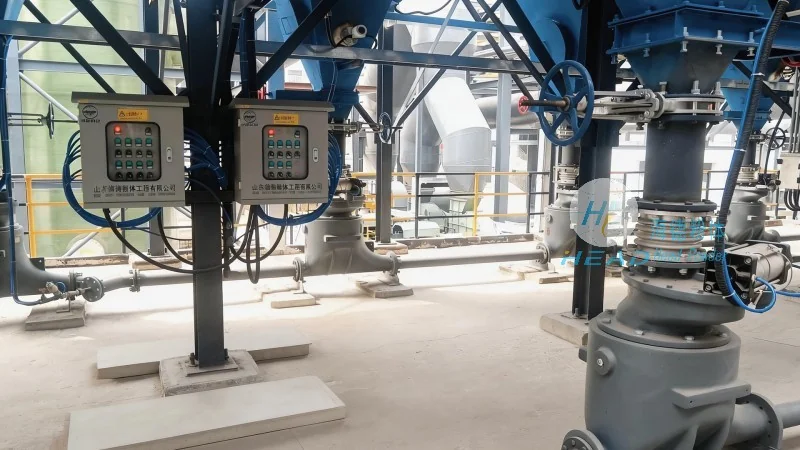
1. Screw Conveyors for Resin Powder Handling
One of the most widely used methods for resin powder conveyance is the screw conveyor. Also known as auger conveyors, these systems utilize a rotating helical screw to move material along a trough. For resin powders, screw conveyors are particularly effective due to their ability to handle dry, free-flowing powders without the need for additional air or mechanical assistance. The design typically includes a U-shaped or rectangular trough, with the screw rotating to push the material forward. This method is ideal for applications where the resin powder needs to be transported over short to medium distances, such as within a manufacturing plant or between processing stages. The screw conveyor's enclosed design helps minimize dust emissions and prevents contamination, making it suitable for cleanroom environments or where product purity is critical. Additionally, screw conveyors can be equipped with variable speed drives to adjust the flow rate, allowing for precise control over the resin powder's movement. This flexibility is essential in processes where the resin powder's consistency or the production rate needs to be adjusted dynamically.
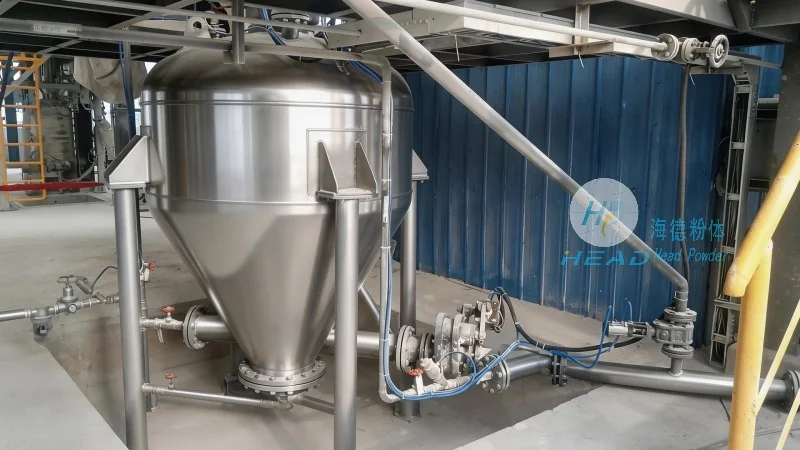
2. Pneumatic Conveying Systems for Resin Powders
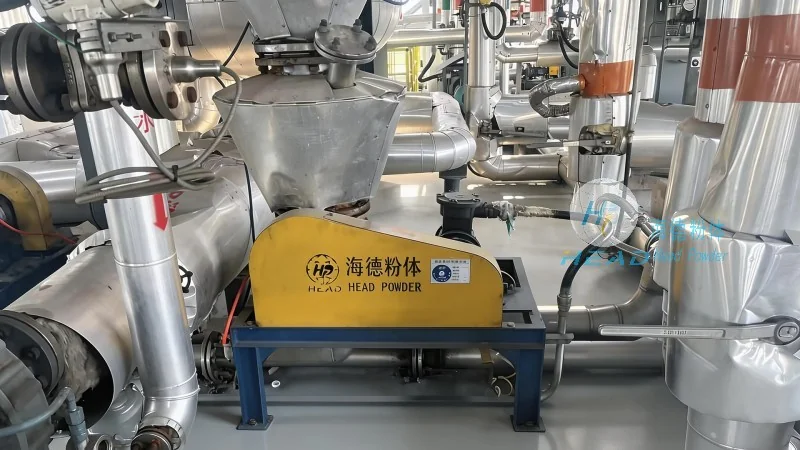
Another common method for resin powder conveyance is pneumatic conveying, which uses air or other gases to transport the material. Pneumatic systems can be categorized into two main types: pressure and vacuum. Pressure systems operate by blowing air into a pipeline under pressure, while vacuum systems use a vacuum to draw the resin powder into the line. For resin powders, pressure systems are often preferred as they can handle higher material loads and longer distances more efficiently. The system typically includes a hopper, a feeder, and a pipeline with appropriate fittings and valves. The resin powder is fed into the system from the hopper, and the air is introduced to create a flow that carries the powder through the pipeline. Pneumatic conveying offers several advantages for resin powders, including the ability to transport materials over long distances with minimal maintenance and the capacity to handle varying particle sizes. However, it is important to consider the potential for static charge buildup in pneumatic systems, as resin powders can generate static electricity during transport. Proper grounding and anti-static measures are essential to prevent dust explosions or material buildup in the pipeline. Additionally, the design of the hopper and feeder must be optimized to ensure consistent material flow and prevent clogging, which can occur with fine resin powders.