

Common Methods for Paddy Husk Conveying
When it comes to handling paddy husk in agricultural processing facilities, selecting the right conveying method is crucial for efficiency and operational smoothness. Paddy husk, the outer protective layer of rice grains, requires specialized equipment to transport it from one stage of processing to another without damage or loss. The methods used for paddy husk conveying vary based on the scale of operation, the physical properties of the husk, and the overall production requirements of the facility. In this article, we explore the common methods employed in the industry, focusing on their advantages, applications, and practical considerations.
1. Belt Conveyors for Paddy Husk Transport
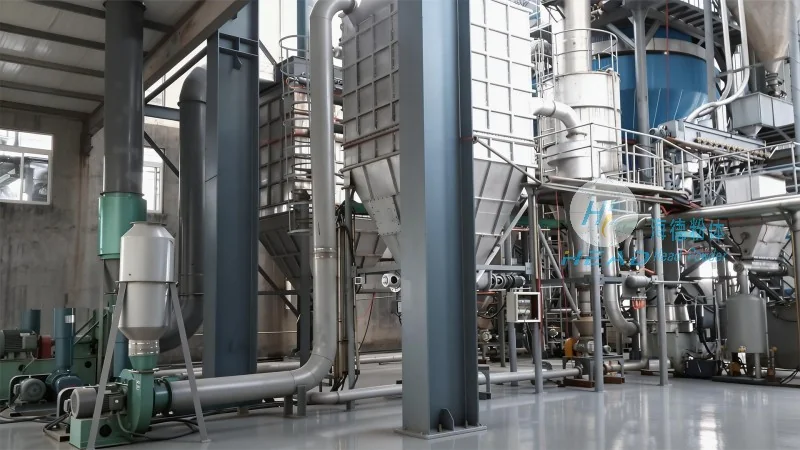
Belt conveyors are one of the most widely used systems for transporting paddy husk due to their versatility and ability to handle a variety of materials. These systems consist of a continuous loop of belt, supported by rollers, that moves the husk along a fixed path. The belt can be made from materials such as rubber or PVC, which are durable and resistant to the abrasive nature of paddy husk. One of the key advantages of belt conveyors is their ability to transport husk over long distances with minimal maintenance. They are particularly effective in horizontal or slightly inclined applications, where the husk needs to be moved from one processing unit to another without significant changes in elevation. The smooth surface of the belt also helps in preventing the husk from getting stuck or damaged during transport. For facilities in Shandong, China, such as those operated by Shandong HeadPowder Engineering Co., Ltd., belt conveyors are often integrated into larger processing lines to ensure consistent and reliable husk movement.
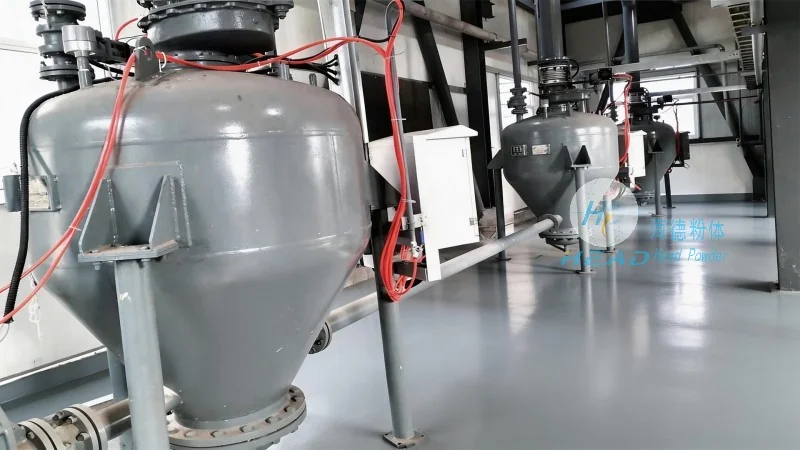
2. Screw Conveyors (Augers) for Paddy Husk Handling
Screw conveyors, also known as augers, are another common method for paddy husk conveying. These systems use a rotating screw or helical blade inside a tube to move the husk forward. The screw's rotation creates a pushing action that propels the material through the conveyor. Screw conveyors are especially suitable for vertical or inclined transport, as they can lift the husk to higher levels with ease. They are compact and can be installed in tight spaces, making them ideal for facilities with limited floor space. The enclosed design of screw conveyors also helps in containing dust and preventing the husk from scattering during transport. However, they may not be as efficient for very long horizontal runs compared to belt conveyors, as the friction and resistance can increase with distance. In agricultural processing plants, screw conveyors are often used to move husk from the threshing or cleaning stages to storage or further processing units.
3. Pneumatic Conveying Systems for Paddy Husk
Pneumatic conveying systems use air pressure to transport paddy husk through a network of pipes. These systems can be either positive pressure (where air pushes the material) or negative pressure (where air pulls the material). Positive pressure systems are more common for transporting husk over longer distances or to higher elevations. The advantages of pneumatic conveying include the ability to transport husk in a closed system, which reduces dust and improves safety. It also allows for the integration of multiple conveying lines from different processing stages into a single system. However, pneumatic systems require more energy compared to mechanical conveyors and may be more complex to maintain. They are particularly useful when the husk needs to be transported through existing building structures or around obstacles. For facilities in China, pneumatic conveying is often used in combination with other methods to create a comprehensive husk handling solution.
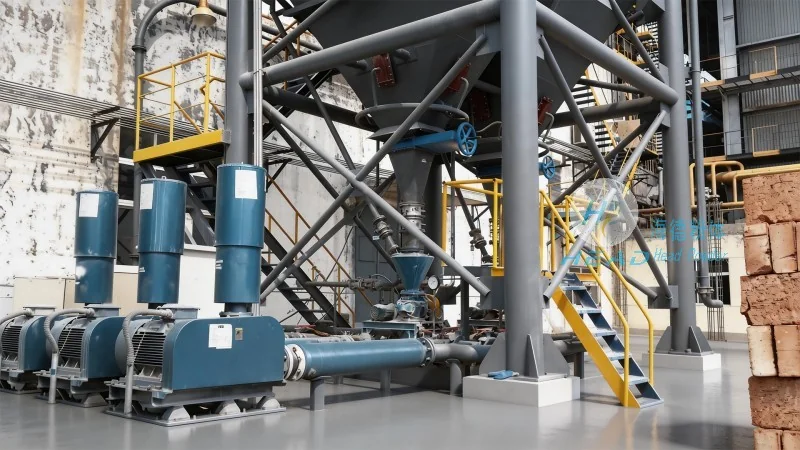
4. Bucket Elevators for Vertical Paddy Husk Transport
Bucket elevators are specialized conveyors designed for vertical transport of paddy husk. These systems consist of a vertical or slightly inclined trough with a series of buckets attached to a rotating chain or belt. As the buckets move up the trough, they scoop up the husk and discharge it at the top. Bucket elevators are highly efficient for lifting husk to significant heights, such as from ground level to storage silos or processing equipment. They are capable of handling large volumes of material and can operate continuously without interruption. The enclosed design of bucket elevators prevents the husk from falling out during transport, ensuring a clean and efficient process. However, they require regular maintenance to keep the buckets and chains in good condition and may have higher initial costs compared to other methods. In agricultural processing facilities, bucket elevators are often used to move husk from the cleaning or drying stages to elevated storage areas, where it can be stored for later use or further processing.
5. Combination Conveying Systems for Paddy Husk
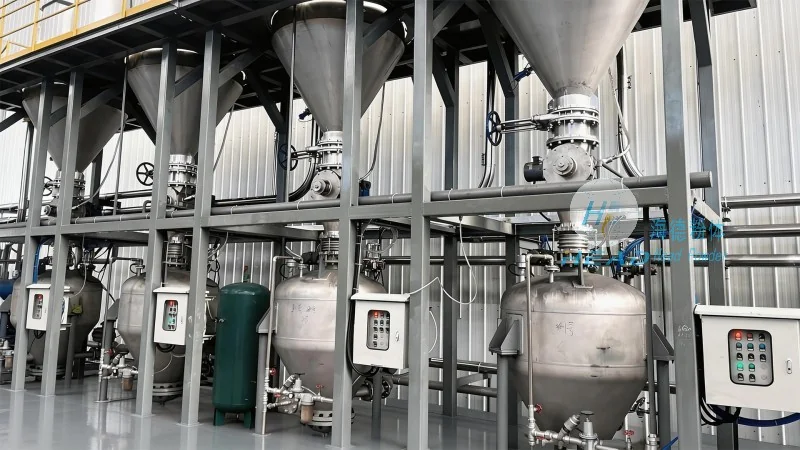
In many modern agricultural processing facilities, a combination of different conveying methods is used to optimize paddy husk transport. For example, a facility might use a belt conveyor to transport husk horizontally from the threshing machine to a screw conveyor, which then lifts it vertically to a storage silo. The screw conveyor then feeds the husk into a pneumatic system that transports it to the final processing unit. This integrated approach allows for efficient movement of husk through all stages of the process, minimizing downtime and maximizing productivity. The use of combination systems also allows facilities to adapt to changing production volumes or processing requirements without major modifications. For companies like Shandong HeadPowder Engineering Co., Ltd., which operates in Shandong, China, designing and implementing combination conveying systems is a key part of their engineering services, ensuring that clients have a customized solution tailored to their specific needs.