

Common Methods for Gravity Dust Removal and Conveying
For industrial applications, efficient dust removal and material handling are critical to maintaining operational efficiency and compliance with environmental regulations. Among the various technologies available, gravity dust removal and conveying systems offer a reliable and cost-effective solution. This article explores the common methods used in such systems, highlighting their applications and benefits.
Understanding Gravity Dust Removal
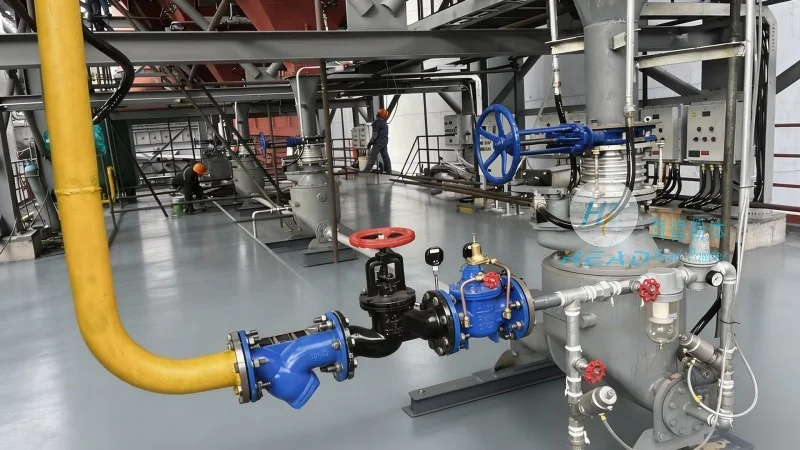
Gravity dust removal relies on the principle of natural settling, where particles are separated from the air stream due to their weight. This method is particularly effective for larger, heavier particles that can be efficiently separated through gravitational force. The process typically involves a dust collection device, such as a hopper or a cyclone, where the air stream is directed, allowing particles to settle under the influence of gravity. This approach is widely used in industries like power generation, cement production, and chemical processing, where large volumes of dust are generated.
Common Conveying Methods in Gravity Systems
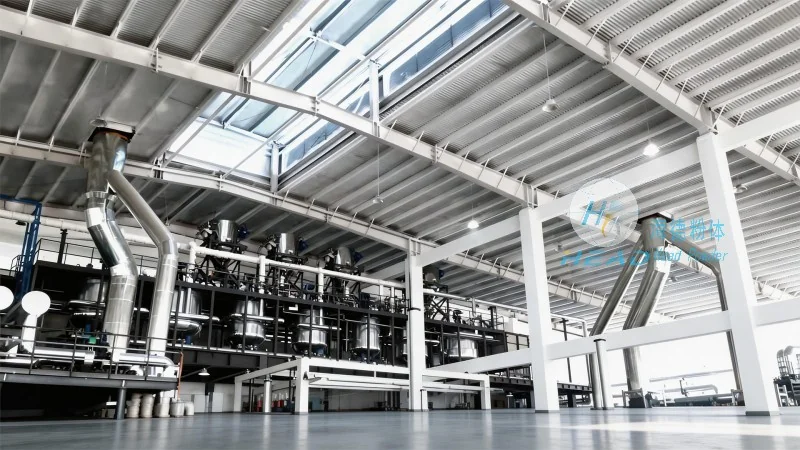
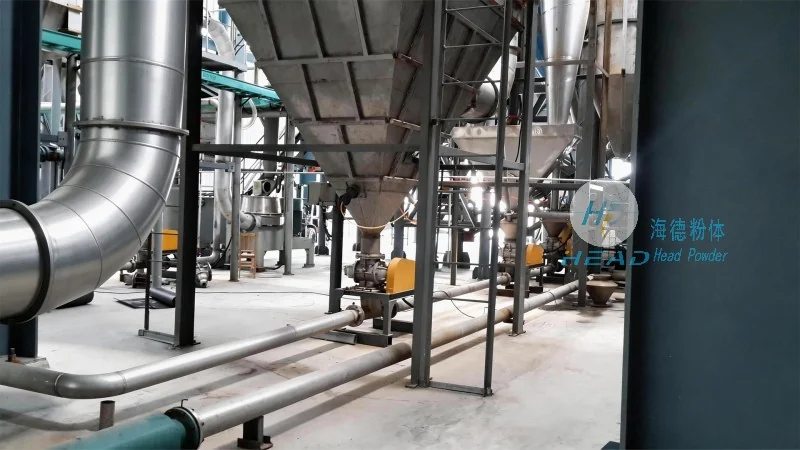
Once the dust is separated, it needs to be transported to a storage or disposal location. Several common conveying methods are employed in gravity dust removal systems. One of the most prevalent is the use of gravity feed hoppers, which allow the collected dust to flow by gravity into downstream equipment like silos or trucks. This method is simple, low-maintenance, and ideal for applications where the material is free-flowing and not overly abrasive. Another common approach is the integration of air-assisted conveying with gravity separation. In this setup, a partial vacuum is created to assist the movement of dust from the collection point to the storage area, enhancing the efficiency of material transfer, especially for finer particles that might otherwise be difficult to convey solely by gravity.
Applications and Benefits of Gravity Dust Removal Systems
The choice of gravity dust removal and conveying method depends on the specific characteristics of the material being handled, such as particle size, density, and moisture content. For example, in power plants, where fly ash is a common byproduct, gravity hoppers are often used to collect and store the ash, which is then transported to disposal sites or recycling facilities. The benefits of these systems include reduced energy consumption compared to high-pressure pneumatic systems, lower operational costs, and minimal maintenance requirements. Additionally, gravity systems are less prone to clogging and are suitable for handling a wide range of dust types, making them a versatile solution for various industrial needs.
Conclusion
In conclusion, gravity dust removal and conveying methods provide an effective and economical solution for managing industrial dust. By leveraging natural forces, these systems offer reliable performance with minimal operational challenges. As a leading provider in the field, Shandong HeadPowder Engineering Co., Ltd. specializes in designing and manufacturing customized gravity dust removal and conveying solutions tailored to the unique requirements of each client. With a focus on efficiency and sustainability, their products help industries maintain compliance with environmental standards while optimizing material handling processes. HeadPowder, with its headquarters in Shandong, China, continues to innovate in dust management technologies, delivering high-quality solutions that meet the evolving needs of modern industries.