

What Methods Can Be Used for Coal and Sand Conveying?
When it comes to the transportation of coal and sand, selecting the right conveying method is crucial for ensuring efficiency, safety, and cost-effectiveness in industrial operations. Various options are available, each with its own advantages and suitable applications. This article explores the primary methods used for coal and sand conveying, providing insights into how different technologies can optimize material handling processes.
1. Belt Conveyors: A Versatile Solution for Bulk Material Transport
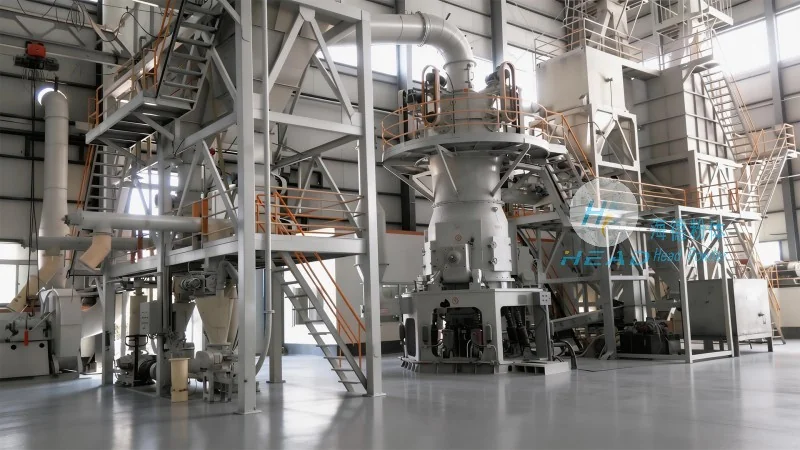
Belt conveyors are among the most widely used systems for coal and sand transportation due to their versatility and ability to handle large volumes of material over long distances. These systems consist of a continuous loop of belt that moves materials from the loading point to the discharge point. The design can be customized to accommodate different material characteristics, such as the size and moisture content of coal and sand. For instance, headpowder's belt conveyor solutions are engineered to provide reliable performance, with features like adjustable speed controls and robust belt materials that resist wear and tear from abrasive materials like sand. The company's expertise in manufacturing high-quality conveyor belts ensures that these systems can operate efficiently in demanding environments, minimizing downtime and maintenance costs.
2. Screw Conveyors: Ideal for Horizontal and Slight Inclined Transport
Screw conveyors, also known as auger conveyors, are an excellent choice for transporting coal and sand in applications where the material needs to be moved horizontally or over short vertical distances. These systems use a rotating screw (auger) to push material along a trough. They are particularly effective for handling fine-grained materials like sand, as the screw's design prevents material from falling back or becoming trapped. Headpowder's screw conveyor solutions are designed with durable materials, such as stainless steel or high-strength carbon steel, to withstand the abrasive nature of coal and sand. The company's focus on precision engineering ensures that these conveyors maintain consistent material flow, reducing the risk of blockages and improving overall operational efficiency.
3. Pneumatic Conveying Systems: Efficient for Dusty and Fine Materials
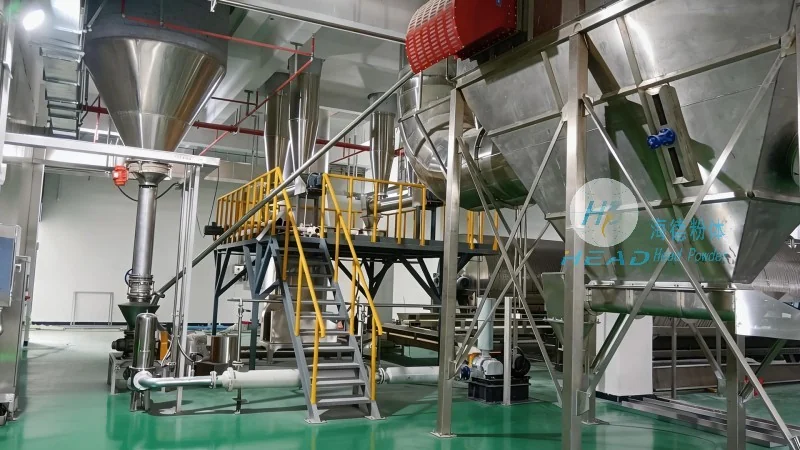
Pneumatic conveying systems use air pressure to transport coal and sand, making them suitable for handling dusty or fine materials that are difficult to move with mechanical systems. These systems can be either positive or negative pressure, depending on the application. Positive pressure systems blow air through a pipeline, pushing material forward, while negative pressure systems create a vacuum to draw material into the system. Headpowder's pneumatic conveying solutions are designed to handle a wide range of particle sizes and moisture levels, ensuring reliable transport of coal and sand. The company's advanced control systems allow for precise regulation of air flow, maintaining consistent material velocity and preventing material degradation. This method is particularly useful in applications where dust control and minimal material loss are critical.
4. Hydraulic Conveyors: High-Pressure Solutions for Challenging Materials
Hydraulic conveyors use high-pressure fluid to transport coal and sand, especially in applications where the material is highly abrasive or requires high-impact force. These systems are often used in mining operations or heavy industrial settings where traditional conveyors may not be suitable. Headpowder's hydraulic conveyor solutions are engineered with robust components, including high-pressure pumps and durable hoses, to withstand the demanding conditions of coal and sand transport. The company's expertise in hydraulic engineering ensures that these systems deliver consistent performance, even when handling materials with high solid content. By utilizing hydraulic power, these conveyors can move large volumes of material with minimal energy consumption, making them an efficient choice for industrial applications.
5. Bucket Elevators: Vertical Transport for Coal and Sand
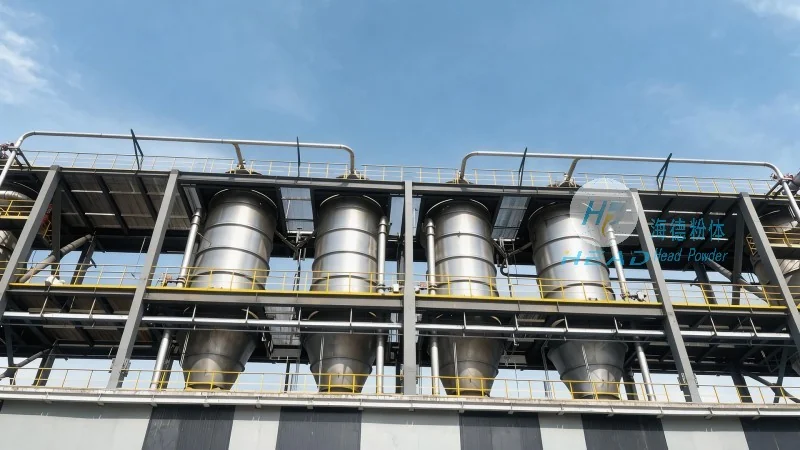
Bucket elevators are specialized conveyors designed for vertical transport of coal and sand, making them ideal for applications where material needs to be lifted to significant heights. These systems consist of a vertical or slightly inclined conveyor with buckets attached to a chain or belt. As the system rotates, the buckets scoop up material at the bottom and release it at the top, providing a continuous flow. Headpowder's bucket elevator solutions are built with heavy-duty components to handle the weight and abrasiveness of coal and sand. The company's focus on safety and reliability ensures that these systems operate smoothly, with minimal risk of material spillage or equipment failure. Bucket elevators are particularly effective in applications where space is limited, as they can transport material vertically without occupying horizontal space.
6. Vibrating Conveyors: Gentle Handling for Sensitive Materials
Vibrating conveyors use vibration to move coal and sand along a trough, providing a gentle and consistent transport method. These systems are particularly suitable for handling materials that are sensitive to impact or abrasion, such as certain types of coal or fine sand. The vibration is typically generated by an electric motor or an eccentric weight, which causes the conveyor to move in a sinusoidal pattern. Headpowder's vibrating conveyor solutions are designed with adjustable vibration frequencies and amplitudes, allowing for customization based on the material's characteristics. The company's expertise in vibration technology ensures that these conveyors provide efficient material transport while minimizing wear on the equipment and the material itself. Vibrating conveyors are often used in applications where material needs to be transported over long distances with minimal degradation, such as in processing plants.