

Methods for Conveying Corn Starch
For industrial applications involving corn starch, efficient and reliable conveying methods are crucial to ensure smooth production processes and maintain product quality. As a leading provider in the field, Shandong HeadPowder Engineering Co., Ltd. offers a range of solutions tailored to meet diverse operational needs. This article explores the primary methods used for corn starch conveying, highlighting their advantages and applications.
1. Screw Conveyors: A Traditional and Versatile Option
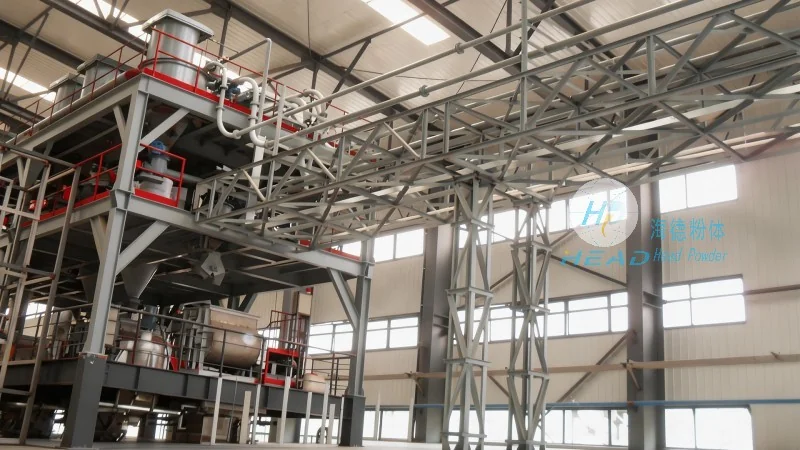
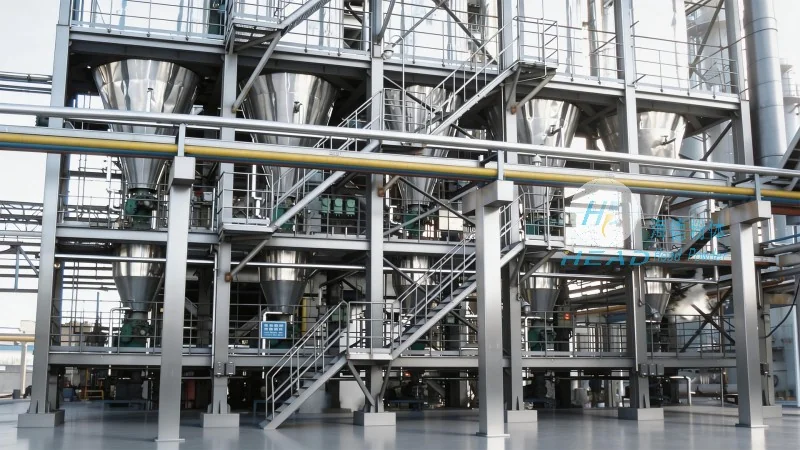
Screw conveyors, also known as auger conveyors, are a classic choice for corn starch handling. These systems utilize a rotating screw (auger) to move material along a U-shaped or straight tube. The design allows for vertical and horizontal transport, making them suitable for various production stages. Shandong HeadPowder Engineering Co., Ltd. specializes in manufacturing screw conveyors that are built to withstand the abrasive nature of corn starch, ensuring long service life and minimal maintenance. The company’s screw conveyors are equipped with high-quality materials, such as stainless steel or corrosion-resistant alloys, to prevent material buildup and contamination. This makes them ideal for applications where product purity is paramount, like in food processing or pharmaceutical industries.
2. Pneumatic Conveying Systems: Efficient and Flexible Transport
Pneumatic conveying systems use air or other gases to transport corn starch in a closed pipeline. This method offers high efficiency and flexibility, as it can handle both dry and slightly moist materials. There are two main types of pneumatic conveyors: pressure and vacuum systems. Pressure systems push material through the pipeline using compressed air, while vacuum systems draw material into the system. Shandong HeadPowder Engineering Co., Ltd. provides advanced pneumatic conveying solutions that are designed to minimize product degradation and energy consumption. Their systems are equipped with efficient air filtration and separation mechanisms, ensuring that the corn starch remains in optimal condition throughout the conveying process. Pneumatic conveyors are particularly beneficial for long-distance transport or when multiple points of discharge are required, as they can be easily integrated into existing production lines.
3. Bucket Elevators: Vertical Transport Solutions
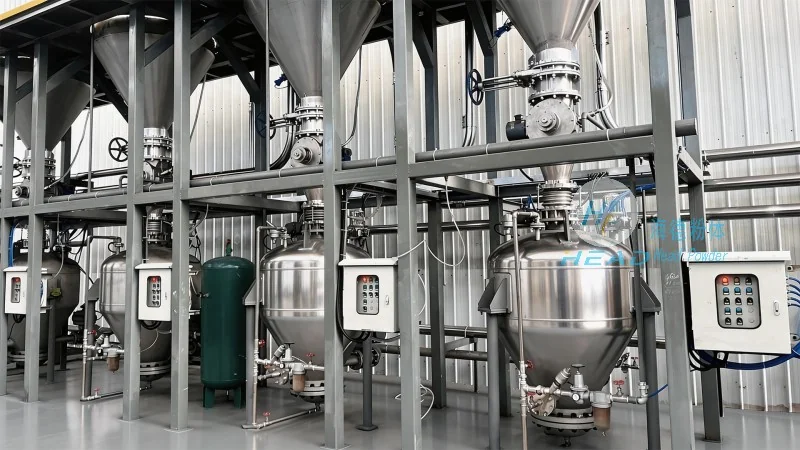
For vertical transport of corn starch, bucket elevators are an excellent choice. These systems consist of a vertical or inclined conveyor with a series of buckets attached to a chain or belt. As the buckets move up the elevator, they scoop up the material and discharge it at the top. Bucket elevators are capable of handling large volumes of corn starch and can be customized to fit specific height requirements. Shandong HeadPowder Engineering Co., Ltd. manufactures bucket elevators that are robust and reliable, with components designed to handle the abrasive properties of corn starch. The company’s elevators are equipped with safety features, such as overload protection and emergency stop mechanisms, to ensure safe operation in industrial settings. This makes bucket elevators a preferred option for applications where vertical movement is necessary, such as in storage silos or processing plants.
4. Belt Conveyors: Continuous and High-Capacity Transport
Belt conveyors are widely used for horizontal and inclined transport of corn starch. These systems consist of a continuous belt that moves over rollers or pulleys, carrying the material from one point to another. Belt conveyors are known for their high capacity and ability to handle large volumes of material at a consistent speed. Shandong HeadPowder Engineering Co., Ltd. offers belt conveyor systems that are designed for durability and efficiency. The company uses high-quality belts made from materials like rubber or PVC, which are resistant to the abrasive nature of corn starch and can withstand heavy loads. Belt conveyors are particularly suitable for applications where continuous operation is required, such as in bulk handling facilities or packaging lines. They can be easily integrated with other equipment, such as hoppers or classifiers, to form a complete conveying system.
5. Combination Systems: Optimizing Conveying Efficiency
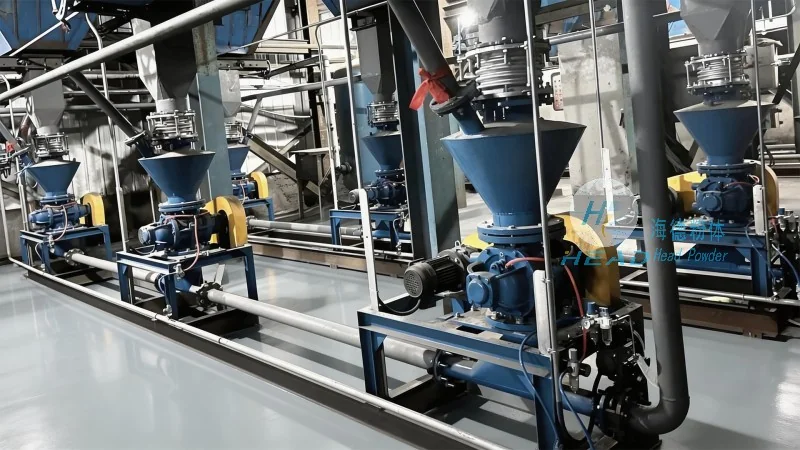
In many industrial settings, a single conveying method may not be sufficient to meet all operational requirements. Shandong HeadPowder Engineering Co., Ltd. provides combination systems that integrate multiple conveying technologies to optimize efficiency and flexibility. For example, a system might combine a screw conveyor for horizontal transport with a bucket elevator for vertical movement, or a pneumatic conveyor for long-distance transport with a belt conveyor for final discharge. These hybrid systems allow for seamless material flow and can be customized to fit specific production processes. The company’s engineers work closely with clients to design and implement combination systems that maximize productivity while minimizing downtime and maintenance costs. By leveraging the strengths of different conveying methods, these systems ensure that corn starch is transported safely and efficiently from source to destination.