

What Methods Can Be Used for Polypropylene Conveying?
When it comes to the efficient and reliable transportation of polypropylene materials, various methods are available to suit different industrial needs. Understanding the appropriate conveying techniques is crucial for optimizing production processes and ensuring product integrity. This article explores the primary methods for polypropylene conveying, highlighting their applications and benefits. The information provided is based on industry standards and practical applications, with a focus on the diverse options available for handling polypropylene.
1. Pneumatic Conveying Systems
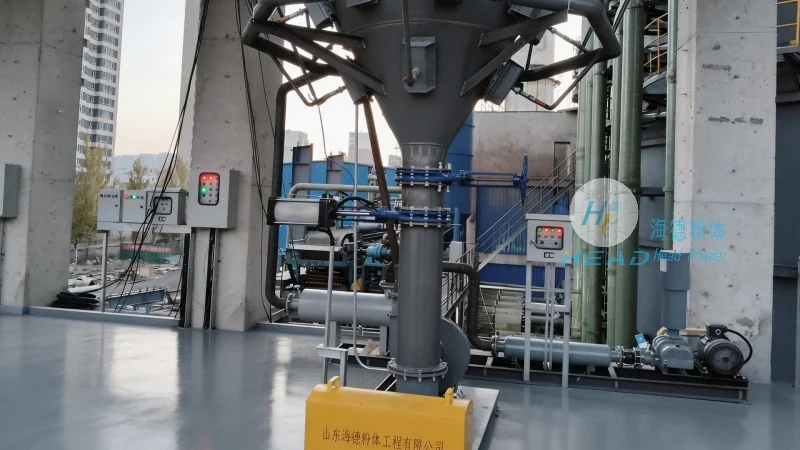
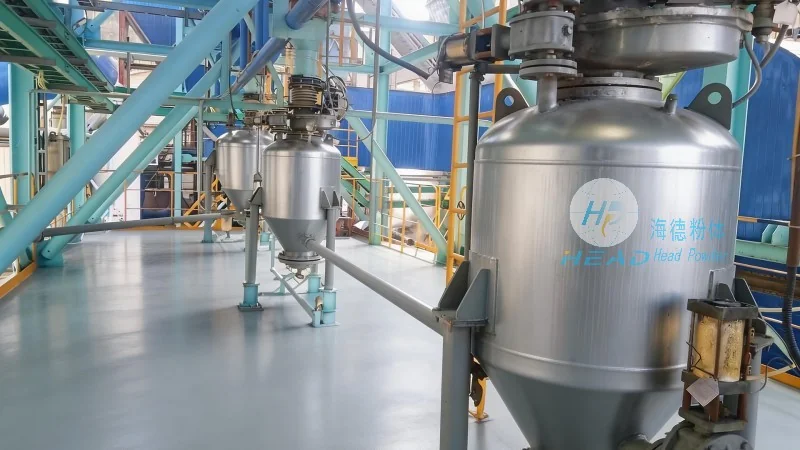
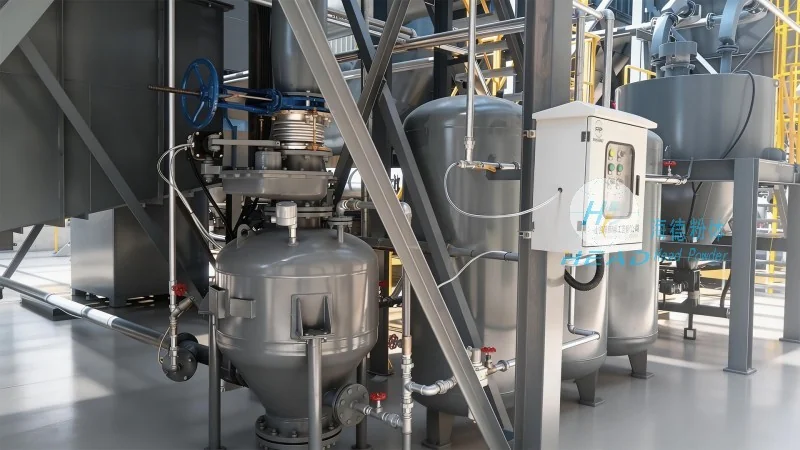
Pneumatic conveying systems are widely used for polypropylene due to their ability to handle fine powders and granules. These systems utilize air or other gases to transport materials through a network of pipes. There are two main types: pressure and vacuum systems. Pressure systems use compressed air to push material forward, while vacuum systems create a negative pressure to draw material into the system. Pneumatic conveying is particularly effective for polypropylene because it minimizes product contamination and reduces the risk of dust explosions. The design of the system, including the choice of air velocity and pipe diameter, is critical to ensure efficient transport without causing material degradation.
2. Screw Conveyors
Screw conveyors, also known as auger conveyors, are another common method for polypropylene handling. These devices consist of a rotating screw inside a trough or tube, which moves material along the length of the conveyor. Screw conveyors are suitable for both bulk and granular polypropylene, providing a continuous and controlled flow. They are often used in applications where vertical or inclined transport is required, as the screw can lift materials to elevated levels. The design of the screw, such as the pitch and flight width, can be customized to handle different particle sizes and moisture content of polypropylene. This flexibility makes screw conveyors a versatile option for various industrial settings.
3. Belt Conveyors
Belt conveyors are widely employed in polypropylene processing for horizontal and slightly inclined transport. These systems consist of a continuous belt that moves over rollers or pulleys, transporting material from one point to another. Belt conveyors are ideal for handling larger polypropylene pellets or sheets, as they can accommodate higher material loads. The choice of belt material and tensioning system is important to prevent slippage and ensure smooth operation. Belt conveyors are often integrated with other equipment, such as hoppers and feeders, to form a complete material handling system. This integration enhances efficiency and reduces the need for manual handling, making them a preferred choice in many manufacturing environments.
4. Pipe Conveyors
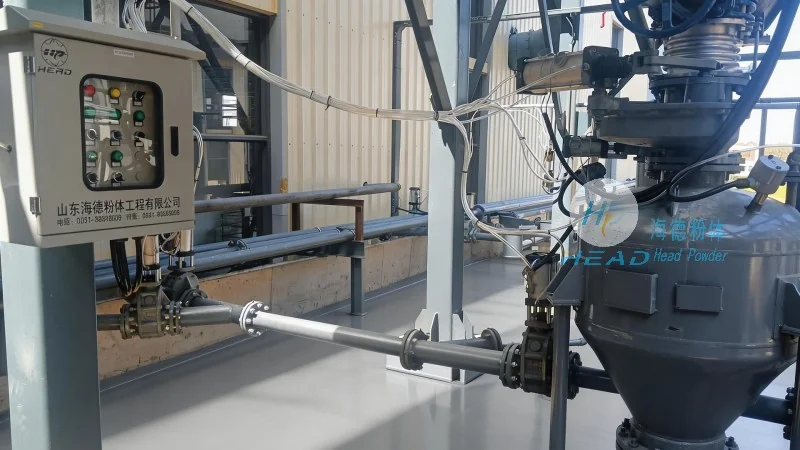
Pipe conveyors, also called tube conveyors, are a modern and efficient method for polypropylene conveying. These systems use flexible or rigid pipes to transport material, often with a screw or auger inside the pipe. The flexibility of the pipe allows for easy installation around obstacles and changes in direction, making it suitable for complex layouts. Pipe conveyors are particularly effective for polypropylene powders and granules, as they minimize material degradation and dust generation. The system can be designed with multiple branches and loops, enabling the distribution of material to various processing points. This flexibility makes pipe conveyors an attractive option for large-scale polypropylene handling operations.
5. Hydraulic Conveying
Hydraulic conveying systems use fluid to transport polypropylene materials. These systems are less common but can be used in specific applications where other methods are not suitable. The fluid, often water or a specialized medium, is pumped through a pipe, carrying the polypropylene particles along with it. Hydraulic conveying is particularly effective for handling abrasive or high-density polypropylene materials, as it reduces wear and tear on the system components. However, the design and maintenance of hydraulic systems require specialized expertise, making them more complex and costly compared to other conveying methods.
6. Combination Systems
In many industrial settings, a combination of conveying methods is used to optimize the handling of polypropylene. For example, a pneumatic system might be used for initial transport from a storage silo, followed by a screw conveyor for vertical transport to a processing unit. This integrated approach ensures smooth material flow and minimizes bottlenecks. The choice of combination system depends on the specific requirements of the production line, including material type, volume, and the layout of the facility. By selecting the appropriate combination of conveying methods, manufacturers can achieve higher efficiency and lower operational costs.
7. Factors to Consider When Choosing a Conveying Method
When selecting a conveying method for polypropylene, several factors must be considered to ensure optimal performance. The first factor is the physical properties of the polypropylene material, such as particle size, moisture content, and bulk density. These properties affect the choice of equipment and system design. The second factor is the volume and frequency of material transport, as this determines the required capacity of the conveying system. The third factor is the layout of the facility, including the distance and direction of material movement, which influences the complexity and cost of the system. Additionally, considerations such as product contamination, energy consumption, and maintenance requirements play a crucial role in the decision-making process. By carefully evaluating these factors, manufacturers can select the most suitable conveying method for their specific needs.
8. Conclusion
Choosing the right method for polypropylene conveying is essential for maintaining production efficiency and product quality. Each method has its advantages and limitations, and the selection should be based on the specific requirements of the application. Pneumatic conveying systems offer flexibility and minimal contamination, while screw and belt conveyors provide reliable and continuous transport. Pipe conveyors are ideal for complex layouts, and hydraulic systems are suitable for specialized applications. By understanding the characteristics of each method and considering the relevant factors, manufacturers can make informed decisions that enhance their operations. As the demand for polypropylene continues to grow, the importance of efficient conveying systems will only increase, making it a critical component of modern manufacturing processes. Shandong HeadPowder Engineering Co., Ltd. specializes in providing tailored material handling solutions, including conveying systems, to meet the diverse needs of the polypropylene industry.