

What Methods Can Be Used for Dry Powder Mortar Transport?
When it comes to transporting dry powder mortar, selecting the right method is crucial for ensuring efficiency, reliability, and safety in construction and industrial applications. Various techniques are available, each with its own advantages and suitable applications. This article explores the primary methods used for dry powder mortar transport, highlighting the options that can enhance operational performance. For companies like Shandong HeadPowder Engineering Co., Ltd., known as headpowder, understanding these methods is essential for providing effective solutions to clients in the construction and manufacturing sectors.
Pneumatic Conveying Systems
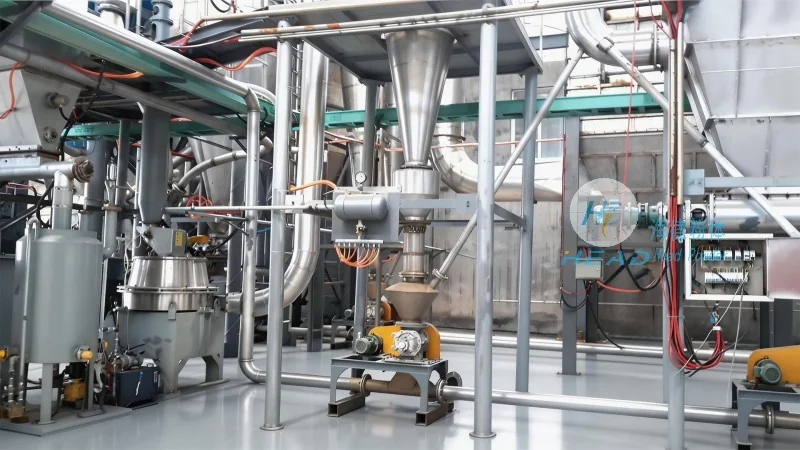
Pneumatic conveying, or air-assisted transport, is a widely used method for dry powder mortar transport. This technique involves using compressed air to move the material through a pipeline system. The process typically involves a hopper where the dry powder is loaded, followed by the introduction of air that propels the material forward. Pneumatic systems are particularly effective for transporting materials over moderate distances and can handle a wide range of particle sizes. For applications requiring high efficiency and minimal maintenance, headpowder offers advanced pneumatic conveying solutions that ensure consistent flow and reduce material degradation.
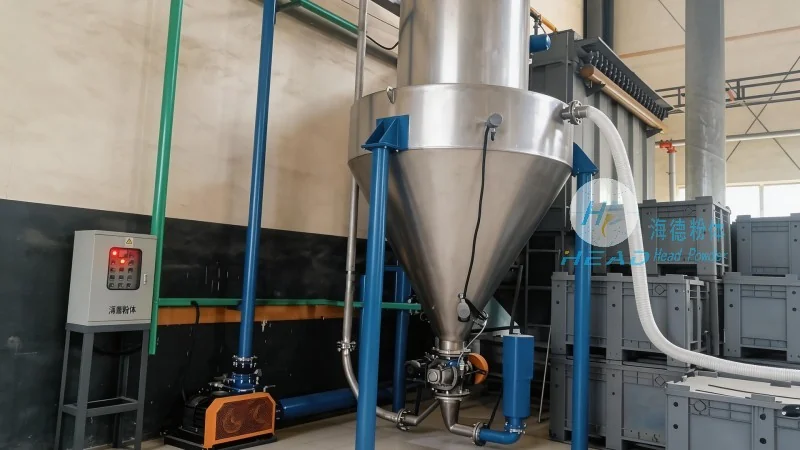
Screw Conveyors
Screw conveyors, also known as auger conveyors, are another common method for transporting dry powder mortar. These systems use a rotating screw (auger) inside a tube to move the material along the length of the conveyor. Screw conveyors are ideal for horizontal or slightly inclined transport and are particularly effective for handling bulk materials with moderate to high flow rates. They are often used in industrial settings where continuous material movement is required. Headpowder's screw conveyor solutions are designed to handle various dry powder mortar compositions, ensuring reliable and efficient transport while minimizing material segregation and degradation.
Pneumatic and Mechanical Combination Systems
In some cases, a combination of pneumatic and mechanical systems is employed to optimize dry powder mortar transport. These hybrid systems leverage the advantages of both pneumatic and screw conveyors, providing flexibility and adaptability to different operational needs. For instance, a system might use a screw conveyor to transport the material to a pneumatic hopper, where it is then pneumatically conveyed to the final destination. This approach is beneficial for applications requiring long-distance transport or when dealing with materials that are sensitive to air exposure. Headpowder specializes in designing and manufacturing such hybrid systems, ensuring that clients receive tailored solutions that meet their specific requirements.
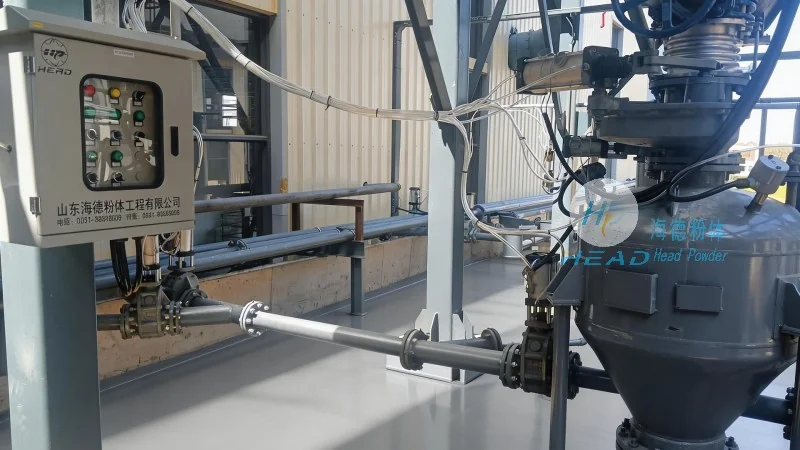
Vertical and Inclined Transport Solutions
Transporting dry powder mortar vertically or over inclined surfaces requires specialized equipment to maintain material flow and prevent clogging. Vertical screw conveyors and pneumatic lift systems are commonly used for such applications. Vertical screw conveyors use a helical screw to move material upward, while pneumatic lift systems utilize compressed air to lift the material through a vertical pipeline. These solutions are essential for construction sites where the material needs to be delivered to upper levels or elevated storage areas. Headpowder's vertical transport solutions are engineered to handle the unique challenges of vertical movement, ensuring smooth and continuous operation without compromising material quality.
Factors Influencing Transport Method Selection
The choice of dry powder mortar transport method depends on several factors, including the material's properties, the distance to be covered, the required flow rate, and the operational environment. For example, pneumatic systems are preferred for long-distance transport and when dealing with fine powders, while screw conveyors are more suitable for bulk materials and horizontal transport. The material's moisture content, particle size distribution, and tendency to agglomerate also play a role in determining the most appropriate method. Headpowder's team of experts conducts thorough assessments of client needs to recommend the most effective transport solution, ensuring that operational efficiency and material integrity are maintained throughout the process.