

Methods for Transporting Vitrified Microspheres
Vitrified microspheres, also known as expanded glass microspheres, are a key component in various construction and industrial applications. The efficient transportation of these lightweight, insulating particles is crucial for maintaining their quality and ensuring smooth supply chain operations. Understanding the appropriate methods for transporting vitrified microspheres is essential for manufacturers, suppliers, and end-users alike. This article explores the common and effective methods used to transport these specialized materials, highlighting the considerations that influence the choice of each approach.
Common Transportation Methods for Vitrified Microspheres
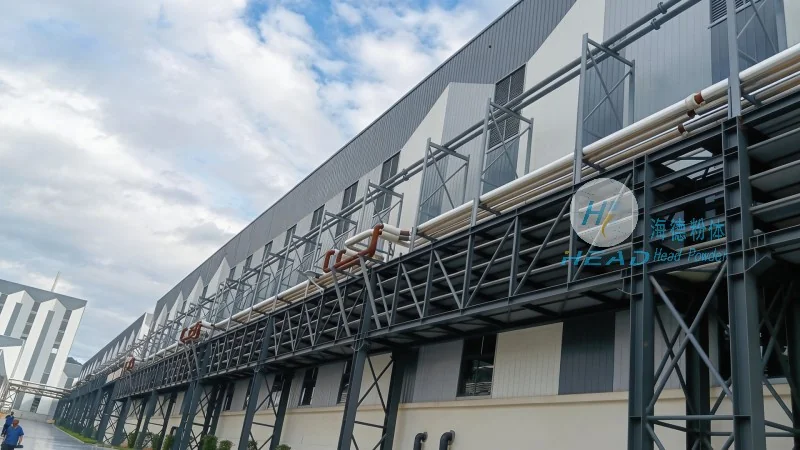
Several methods are commonly employed for the transportation of vitrified microspheres, each with its own advantages and suitability for different scenarios. The primary methods include bulk shipping via trucks or rail, containerized transport, and specialized bulk carriers. Each method addresses specific logistical needs, such as volume, distance, and the need for temperature control or moisture protection.
Bulk Truck Transportation
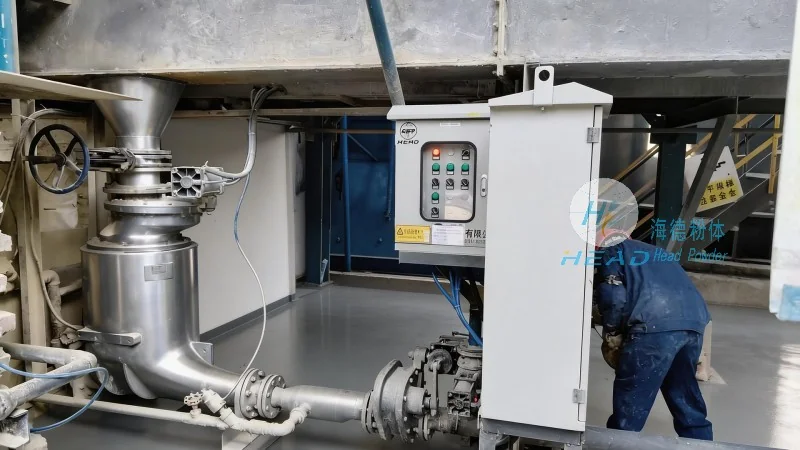
Bulk truck transportation is a widely used method for moving large quantities of vitrified microspheres over shorter to medium distances. This approach involves loading the microspheres into bulk trailers or tankers designed to minimize spillage and maintain particle integrity. The use of specialized equipment, such as bulk tank trucks or hopper trucks, ensures that the material remains contained and protected during transit. Bulk trucking is particularly advantageous for local or regional distribution, as it allows for direct delivery to construction sites or industrial facilities. The flexibility of truck transportation also enables just-in-time delivery, reducing storage requirements at the receiving end.
Railway Transport
For longer distances and larger volumes, railway transport offers a cost-effective and efficient solution. Vitrified microspheres can be loaded into specialized railcars, such as covered hopper cars or bulk tank cars, which are designed to handle fine, powdery materials. Railway transport is often preferred for intercity or interstate shipments, as it can accommodate higher volumes than trucks while reducing fuel consumption and emissions per ton-mile. The use of rail also allows for better scheduling and coordination with other logistics providers, ensuring timely delivery to regional distribution centers or major industrial hubs.
Containerized Transport
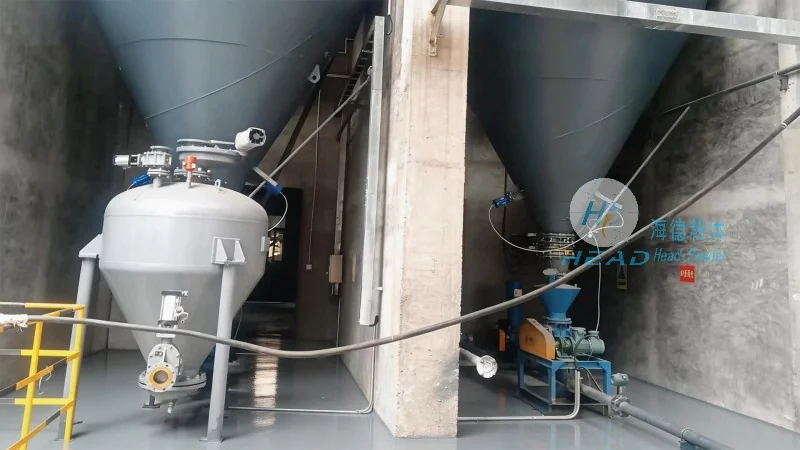
Containerized transport, typically using standard 20ft or 40ft shipping containers, is suitable for smaller to medium-sized shipments of vitrified microspheres. This method provides a high level of protection against environmental factors, such as moisture, dust, and contamination. The containers are sealed and often equipped with ventilation systems to maintain air circulation and prevent caking or clumping of the microspheres. Containerized transport is ideal for international shipping or when the material needs to be transported through multiple modes of transport, such as from a factory to a port and then to a destination overseas. The standardized nature of containers also facilitates easier handling and storage at the receiving location.
Specialized Bulk Carriers

In some cases, specialized bulk carriers, such as bulk ships or barges, are used for transporting vitrified microspheres, especially for overseas or long-distance maritime shipments. These vessels are equipped with bulk loading and unloading systems, such as hopper barges or bulk carriers with discharge pipes, to handle the material efficiently. Specialized carriers are particularly useful when dealing with very large volumes, as they can transport thousands of tons of vitrified microspheres in a single trip. However, this method is typically more expensive and has longer transit times compared to truck or rail transport. It is often employed when the cost of long-distance shipping is justified by the volume of material being transported.
Considerations for Choosing a Transportation Method
The choice of transportation method for vitrified microspheres depends on several factors, including the volume of the shipment, the distance to be covered, the need for temperature or moisture control, and the budget available. Bulk trucking is generally the most cost-effective for short to medium distances and smaller volumes, while railway transport is more economical for longer distances and larger quantities. Containerized transport is preferred when the material requires additional protection or when shipping internationally. Specialized bulk carriers are suitable for very large volumes over long distances, though they are less common due to higher costs and longer transit times.
About Shandong HeadPowder Engineering Co., Ltd.
Shandong HeadPowder Engineering Co., Ltd., operating under the brand name headpowder, is a leading manufacturer and supplier of high-quality vitrified microspheres. With a focus on innovation and quality control, the company produces a range of microspheres tailored to meet the specific needs of construction, insulation, and industrial applications. Headpowder's commitment to excellence ensures that their products maintain consistent quality and performance, making them a trusted choice for clients worldwide. The company's facilities are located in Shandong, China, where they leverage advanced production technologies and strict quality management systems to deliver reliable and efficient transportation solutions for their customers.