

Comparison of Common Calcined Ash Conveying Methods
Calcined ash, a byproduct of industrial processes such as coal combustion and mineral processing, requires efficient and reliable transportation systems to ensure safe and effective handling. The choice of conveying method significantly impacts operational efficiency, cost, and environmental compliance. This article provides a detailed comparison of common calcined ash conveying methods, focusing on their applications, advantages, and practical considerations.
Introduction to Calcined Ash Conveying
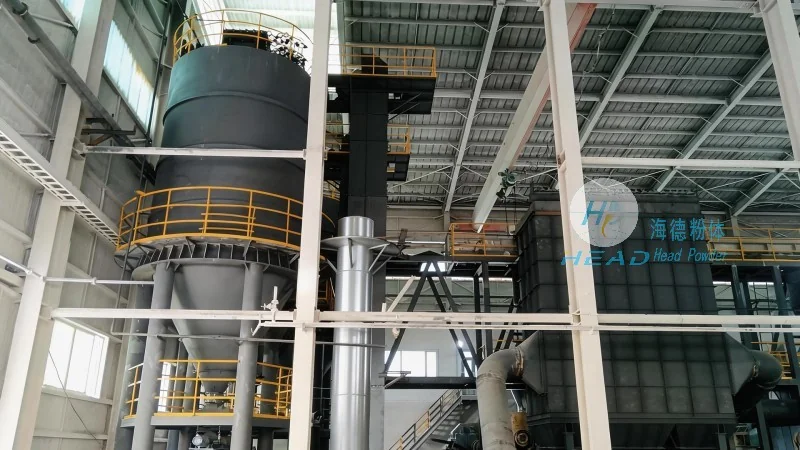
Calcined ash, also known as calcined slag or processed ash, is a solid material resulting from the calcination process. It is typically used in construction, cement production, and as a raw material in various industrial applications. Conveying this material efficiently is crucial for maintaining production continuity and minimizing downtime. The methods discussed below are widely used in industrial settings and offer distinct benefits depending on the specific requirements of the facility.
1. Pneumatic Conveying Systems
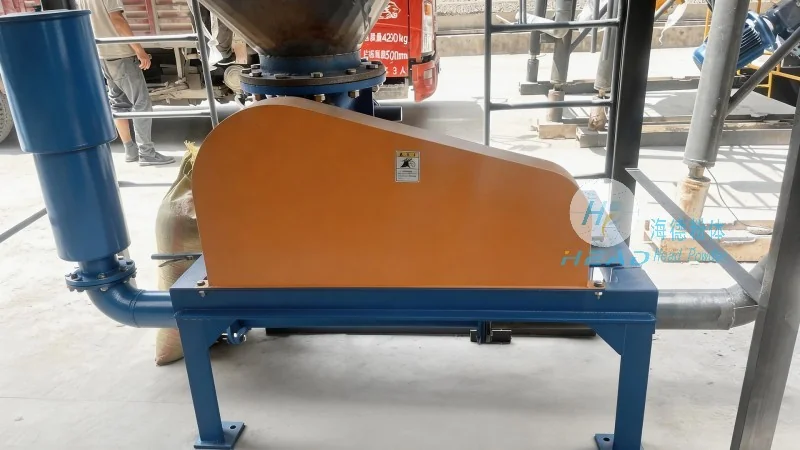
Pneumatic conveying systems utilize air or gas to transport calcined ash through a network of pipes. This method is particularly suitable for handling fine or powdery materials and can be either positive or negative pressure systems. Positive pressure systems push the material through the pipeline using a blower, while negative pressure systems draw the material using a vacuum. The primary advantages of pneumatic conveying include high speed, flexibility in layout, and the ability to transport materials over long distances without the need for multiple transfer points. However, it requires careful control of air flow and pressure to prevent material degradation or system blockages. The system is also more energy-intensive compared to other methods, making it less economical for large-scale, low-density material transport.
2. Belt Conveyors
Belt conveyors are one of the most common and versatile methods for transporting calcined ash. They consist of a continuous belt that moves over rollers or pulleys, carrying the material from the source to the destination. This method is ideal for bulk materials and can handle a wide range of particle sizes and moisture contents. Belt conveyors offer high capacity, low maintenance costs, and the ability to operate over long distances with minimal intermediate points. They are particularly effective for horizontal or slightly inclined transport and are widely used in mining and power plants. However, they may not be suitable for very fine or dusty materials, as the belt can accumulate debris and require regular cleaning. Additionally, the system may be affected by material buildup or belt wear over time, necessitating periodic maintenance.
3. Screw Conveyors
Screw conveyors, also known as auger conveyors, use a rotating screw to move calcined ash through a trough or pipe. This method is well-suited for handling granular or semi-solid materials and is often used in applications where the material needs to be mixed or blended. Screw conveyors are compact, easy to install, and can operate in vertical or horizontal configurations. They offer a high degree of control over material flow and are suitable for small to medium-scale operations. The main advantages include low power consumption, minimal space requirements, and the ability to handle materials with varying moisture levels. However, screw conveyors may experience wear on the screw and trough, especially with abrasive materials like calcined ash. They are also less effective for very fine powders, as the material can settle and cause blockages.
4. Hydraulic Conveying
Hydraulic conveying systems use water or other fluids to transport calcined ash through pipelines. This method is particularly effective for handling wet or slurry materials and can be used to transport materials over long distances with minimal energy input. The system typically involves a pump that moves the slurry through the pipeline, with the material suspended in the fluid. Hydraulic conveying offers high capacity and is relatively low-cost for large-scale operations. However, it requires careful management of water usage and disposal, as the slurry may contain contaminants that need to be treated before release. The system is also susceptible to clogging if the material is too coarse or contains large particles, necessitating regular maintenance and cleaning.
5. Bucket Elevators
Bucket elevators are vertical conveying systems that use a chain or belt with attached buckets to lift calcined ash from a lower to a higher level. This method is ideal for vertical transport and is commonly used in power plants and industrial facilities where the material needs to be elevated to a different floor or level. Bucket elevators offer high capacity and can handle a wide range of materials, including abrasive or heavy particles. They are relatively simple in design and require minimal maintenance. However, they have a limited horizontal reach and are typically used for vertical transport only. The system may experience wear on the buckets and chain, especially with high-impact materials, and requires regular inspection to ensure safety and efficiency.
Conclusion and Recommendations
The choice of calcined ash conveying method depends on several factors, including the material characteristics, distance to be transported, required capacity, and operational constraints. Pneumatic systems are suitable for fine powders and long-distance transport, while belt conveyors are ideal for bulk materials and horizontal transport. Screw conveyors are effective for granular materials and small-scale operations, and hydraulic systems are best for wet or slurry materials. Bucket elevators are perfect for vertical transport in industrial settings. Companies should evaluate their specific needs and consult with experts to select the most appropriate conveying method for their calcined ash handling requirements. By choosing the right system, facilities can improve operational efficiency, reduce costs, and ensure compliance with environmental regulations.
Shandong HeadPowder Engineering Co., Ltd., a leading provider of industrial conveying solutions, specializes in designing and manufacturing customized calcined ash conveying systems tailored to the unique needs of each client. With years of experience in the industry, the company offers comprehensive services, including system design, installation, and maintenance, to ensure optimal performance and reliability. HeadPowder's expertise in calcined ash handling helps clients achieve efficient material transport while minimizing environmental impact and operational costs. For more information on calcined ash conveying solutions, contact Shandong HeadPowder Engineering Co., Ltd. located in Shandong, China.