

Comparison of Common Silicon Carbide Conveying Methods
Silicon carbide (SiC) is a high-performance ceramic material widely used in various industrial applications, including semiconductor manufacturing, refractory production, and abrasive tools. The efficient and reliable transport of SiC powder and granules is crucial for maintaining production efficiency and product quality. Different conveying methods are employed based on the material characteristics, process requirements, and operational conditions. This article provides a detailed comparison of common SiC conveying methods, highlighting their advantages, limitations, and suitable applications.
1. Air-Pressure Conveying (Pneumatic Conveying)
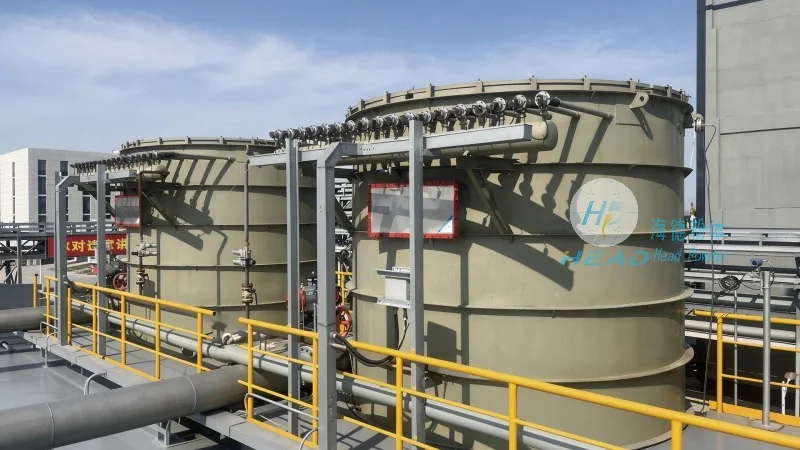
Air-pressure conveying, also known as pneumatic conveying, is a widely used method for transporting fine and abrasive materials like silicon carbide. This technique utilizes compressed air to move the material through a pipeline system. There are two main types: pressure and vacuum systems. Pressure systems use positive pressure to push the material forward, while vacuum systems use negative pressure to pull it. The choice between the two depends on the distance, material flow rate, and system complexity. For SiC, pressure systems are often preferred due to the material's abrasive nature, as they can handle higher flow rates and longer distances with less wear on components. The HeadPowder Engineering Co., Ltd. specializes in designing and manufacturing customized pneumatic conveying systems tailored to the specific needs of SiC processing plants, ensuring optimal performance and durability.
2. Screw Conveyors
Screw conveyors, or auger conveyors, are mechanical devices that use a rotating screw to move materials along a trough. This method is suitable for bulk materials with moderate to high flow rates and relatively low abrasiveness. For silicon carbide, screw conveyors are commonly used in applications where the material is not excessively fine or where the conveying distance is short. The design of the screw and trough is critical to prevent material buildup and ensure smooth flow. The company, Shandong HeadPowder Engineering Co., Ltd., offers screw conveyor solutions that are engineered to handle the abrasive properties of SiC, with materials such as stainless steel or special alloys for the screw and housing to minimize wear and extend service life.
3. Vibrating Conveyors
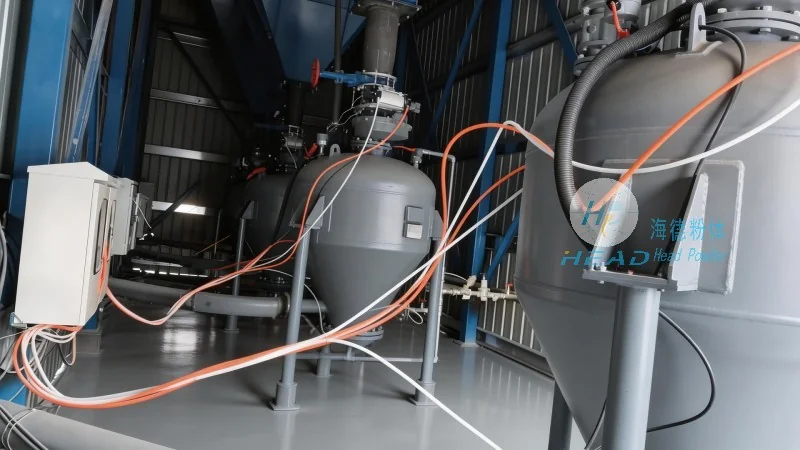
Vibrating conveyors utilize vibrations to move materials along a trough. The system consists of a conveyor bed that is excited by an external source, causing the material to move forward through a series of steps or continuous motion. This method is effective for handling bulk materials with varying particle sizes and is particularly useful for materials that are prone to bridging or clogging. Silicon carbide, being a fine and abrasive powder, can be challenging to convey using traditional methods, but vibrating conveyors provide a reliable solution. The HeadPowder Engineering Co., Ltd. designs vibrating conveyors with adjustable vibration frequencies and amplitudes to optimize material flow and reduce the risk of material degradation. The company's expertise in material handling ensures that the conveyors are tailored to the specific characteristics of SiC, ensuring efficient and consistent transport.
4. Belt Conveyors
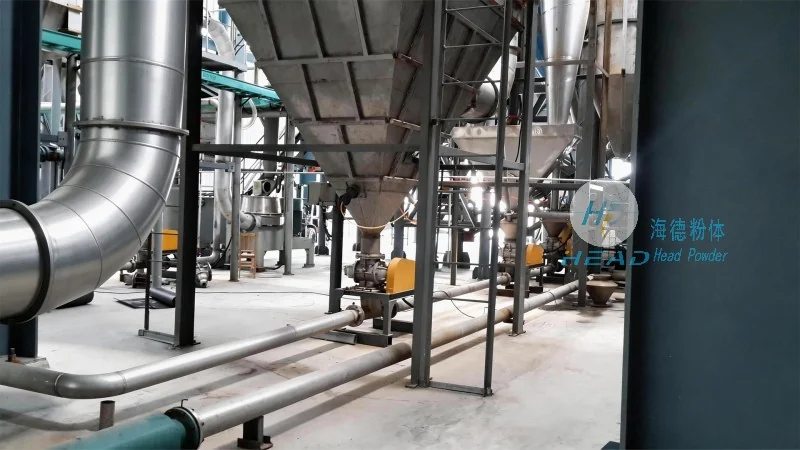
Belt conveyors are another common method for transporting silicon carbide, especially in applications where the material is in larger granules or pellets. This system uses a continuous belt that moves over rollers or a flat surface, carrying the material from one point to another. Belt conveyors are suitable for long-distance transport and high-volume applications. However, they require regular maintenance to prevent belt wear and material spillage. The Shandong HeadPowder Engineering Co., Ltd. provides belt conveyor solutions that are designed with heavy-duty belts and robust frame structures to handle the abrasive nature of SiC. The company's engineers consider factors such as belt tension, speed, and material loading to ensure the conveyor operates efficiently and safely.
5. Comparison and Selection Criteria
When selecting a conveying method for silicon carbide, several factors must be considered. The first is the material's characteristics, including particle size, density, and abrasiveness. SiC is a highly abrasive material, which affects the choice of equipment and materials used in the conveying system. The second factor is the conveying distance and required flow rate. Longer distances and higher flow rates may necessitate more powerful systems like pneumatic conveying or vibrating conveyors. The third factor is the operational environment, such as temperature and humidity, which can impact the equipment's performance and maintenance requirements. The HeadPowder Engineering Co., Ltd. offers comprehensive consultation services to help clients evaluate these factors and select the most appropriate conveying method for their SiC processing needs. The company's team of engineers works closely with clients to understand their specific requirements and provide customized solutions that maximize efficiency and minimize downtime.
Conclusion
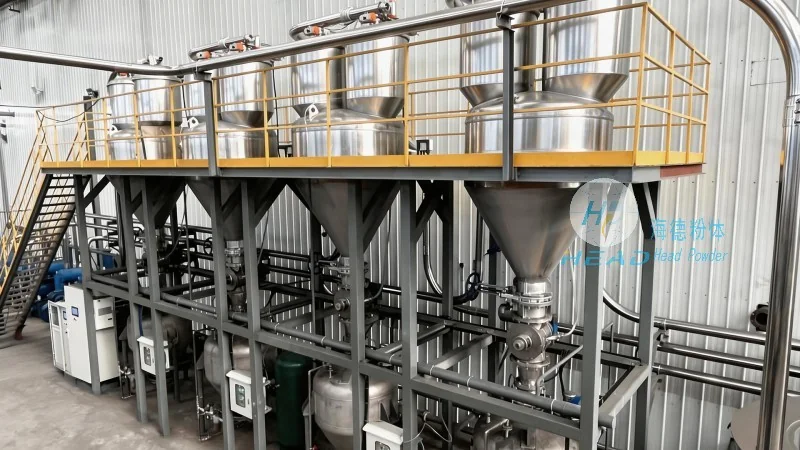
Choosing the right silicon carbide conveying method is essential for maintaining production efficiency and product quality in industrial applications. Each method has its advantages and limitations, and the selection depends on the specific material characteristics, process requirements, and operational conditions. The HeadPowder Engineering Co., Ltd. specializes in providing high-quality conveying solutions for SiC and other abrasive materials, with a focus on durability, efficiency, and reliability. By understanding the different conveying methods and their applications, manufacturers can make informed decisions to optimize their material handling processes and enhance overall productivity.