

Comparison of Common Powdered Solid Material Handling Methods
When it comes to the efficient and reliable transport of powdered solids in industrial settings, selecting the right conveying method is crucial. Different applications demand specific solutions, and understanding the strengths and limitations of each common powder handling technique is essential for optimizing production processes. This article provides a detailed comparison of prevalent solid powder conveying methods, focusing on their operational principles, advantages, and typical applications.
Introduction to Powder Conveying Methods
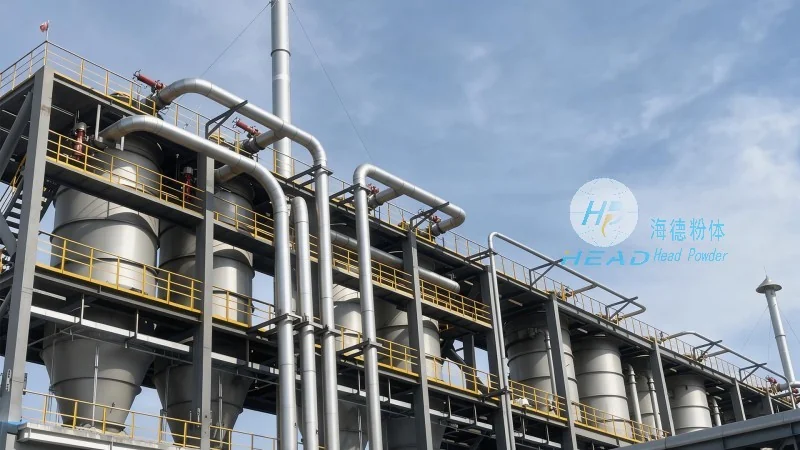
In industrial operations, the movement of bulk solid powders from one location to another is a fundamental requirement. Various technologies have been developed to address this need, each with distinct characteristics that make them suitable for different scenarios. The choice of a conveying system often depends on factors such as material properties, distance, throughput requirements, and environmental considerations. Below, we explore several widely used powder handling methods, including their mechanisms, benefits, and practical applications.
Spiral Conveyor Systems
Spiral conveyors, also known as screw conveyors, are among the most common equipment for transporting dry, free-flowing powders. These systems consist of a rotating helical screw mounted inside a U-shaped or cylindrical trough. As the screw rotates, it pushes the material forward through the trough, leveraging the friction between the screw and the powder to achieve movement. The design allows for vertical or inclined transport, making it versatile for both horizontal and vertical material transfer. A key advantage of spiral conveyors is their simplicity and low maintenance requirements. They are particularly effective for handling non-abrasive, non-sticky powders where minimal product degradation is desired. The compact design also makes them suitable for installations with limited space. However, spiral conveyors may struggle with highly abrasive or sticky materials, as these can cause wear and reduce efficiency. Additionally, they have a limited capacity compared to other methods, which may not meet the demands of high-throughput applications.
Pneumatic Conveying Systems
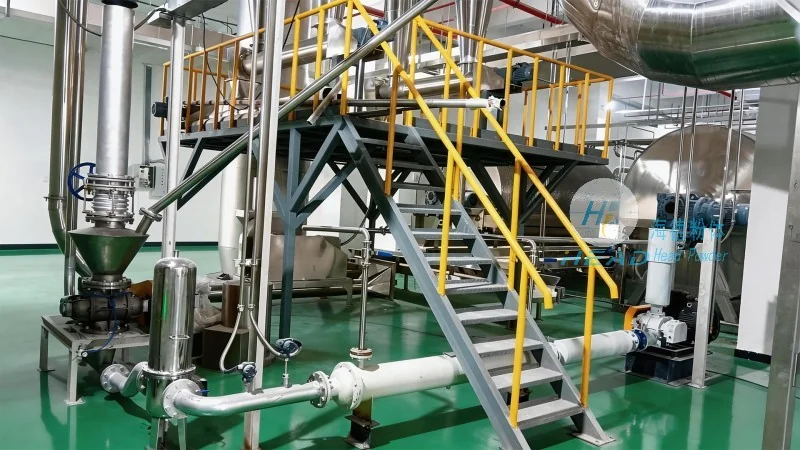
Pneumatic conveying, or air-powered transport, utilizes compressed air to move powders through a pipeline. This method can be categorized into two main types: dilute-phase and dense-phase systems. Dilute-phase pneumatic conveying involves the powder being suspended in a high-velocity air stream, allowing for long-distance transport with relatively low pressure. Dense-phase pneumatic conveying, on the other hand, uses lower air velocities and higher pressure to move the material in a more concentrated form, reducing the risk of product degradation and ensuring a more controlled flow. Pneumatic systems offer several benefits, including the ability to transport materials over long distances without the need for multiple transfer points. They are also suitable for handling a wide range of materials, from fine powders to larger granules. Another advantage is the enclosed system, which prevents dust emissions and maintains product purity. However, pneumatic conveying can be energy-intensive, especially for long-distance or high-capacity operations. The system also requires regular maintenance of air compressors and filters to ensure optimal performance. Additionally, the initial investment for a pneumatic system is typically higher than for other conveying methods.
Vibrating Conveyors
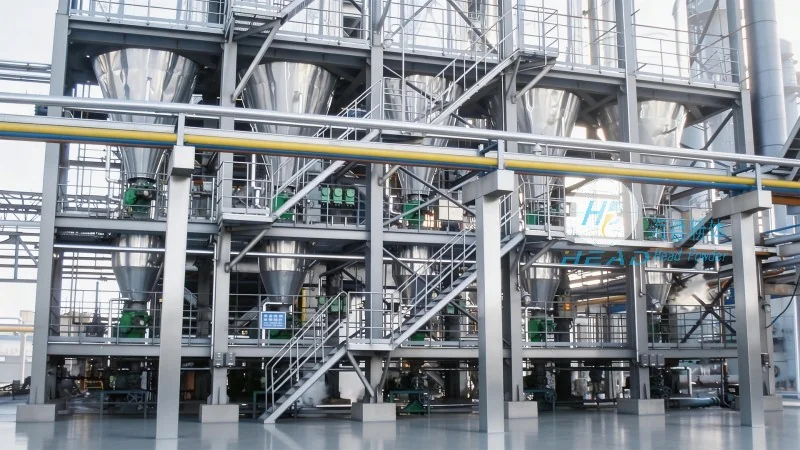
Vibrating conveyors employ mechanical vibration to move powders along a trough. The conveyor consists of a trough supported by vibration motors or eccentrics, which generate a sinusoidal motion. This motion causes the material to slide forward along the trough's surface. Vibrating conveyors are particularly effective for handling sticky, cohesive, or abrasive powders, as the vibration helps break up agglomerates and prevent material buildup. They are also suitable for transporting materials with high moisture content or those that are prone to caking. The design allows for gentle material handling, minimizing product degradation and preserving quality. Vibrating conveyors are relatively low-cost and easy to install, making them a popular choice for many industrial applications. However, they have a limited capacity and are generally suited for shorter distances. The system may also generate noise, which could be a concern in certain environments. Additionally, the maintenance of vibration components is necessary to ensure consistent performance.
Bucket Elevators
Bucket elevators are vertical or inclined conveyors that use a continuous chain or belt with attached buckets to transport powders. The buckets are filled with material at the bottom of the conveyor and then lifted vertically or at an angle, before being emptied at the top. This method is highly efficient for vertical transport and can handle large volumes of material over significant heights. Bucket elevators are ideal for applications requiring high throughput and vertical movement, such as in flour mills or cement plants. They offer a closed system that prevents dust contamination and ensures product integrity. The design also allows for continuous operation with minimal downtime. However, bucket elevators are relatively expensive to install and maintain. They require regular inspection of buckets and chains to prevent wear and tear. Additionally, the system may be noisy and can be challenging to clean, especially when handling sticky or caked materials.
Comparison and Selection Criteria
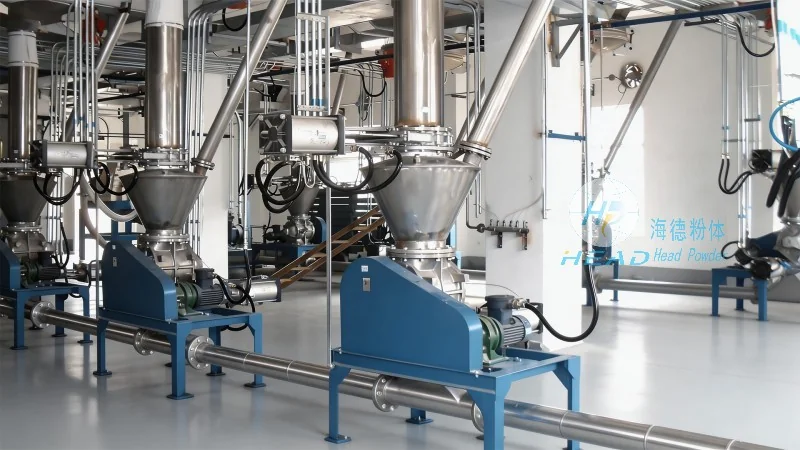
When selecting a powder conveying method, several factors must be considered to ensure the best fit for the application. The choice often depends on the material's physical properties, such as particle size, density, and flowability. For example, free-flowing, non-sticky powders may be best suited for spiral conveyors, while cohesive or sticky materials might benefit from vibrating conveyors. The distance and elevation change required for material transport also play a critical role. Long-distance or vertical transport may favor pneumatic or bucket elevator systems, whereas short horizontal transport might be handled by spiral or vibrating conveyors. Cost considerations, including initial investment and operational expenses, are also essential. Simple systems like spiral conveyors may have lower upfront costs but higher maintenance, while pneumatic systems may have higher initial costs but lower maintenance. Environmental factors, such as dust control and product purity, should also be evaluated. Ultimately, the optimal conveying method is one that balances performance, cost, and operational requirements to meet the specific needs of the industrial process.
Conclusion
Choosing the right powder handling method is a critical decision for industrial operations, as it directly impacts efficiency, product quality, and overall cost. Each of the common conveying systems—spiral conveyors, pneumatic systems, vibrating conveyors, and bucket elevators—offers unique advantages and is suitable for specific applications. By understanding the operational principles, benefits, and limitations of each method, industries can select the most appropriate solution to ensure reliable and efficient transport of powdered solids. As technology advances, new innovations continue to improve the performance and versatility of powder conveying equipment, providing even more options for modern industrial needs. Whether for short horizontal transport or long vertical movement, the right powder handling system can significantly enhance productivity and maintain product integrity in various manufacturing processes.