

Common Calcium Nitrite Delivery Methods: A Comparison
Calcium nitrite is a critical chemical compound widely used in various industrial applications, including water treatment, concrete curing, and as a food preservative. The efficient and reliable delivery of this compound is essential to ensure consistent performance and safety in these processes. Proper handling and transport of calcium nitrite require careful consideration of the material's properties, such as its reactivity and potential for dust generation, which influence the choice of delivery method.
Overview of Delivery Methods
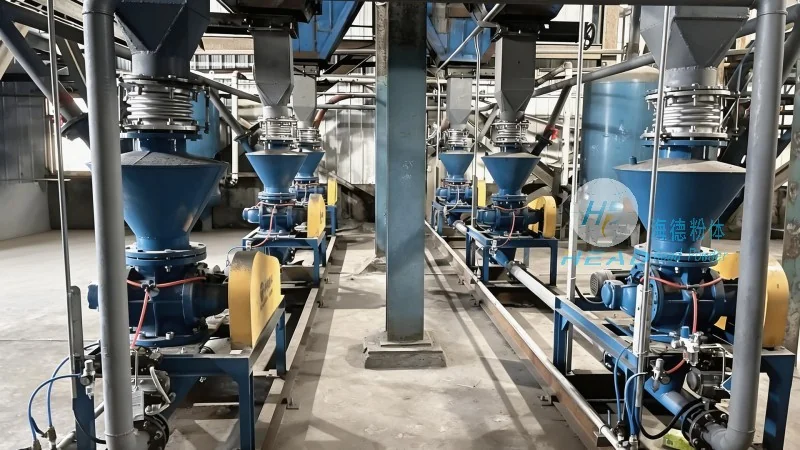
Several methods are commonly employed to transport calcium nitrite from storage to points of use. These methods vary based on factors like the scale of operation, the distance to be covered, and the specific requirements of the application. The primary delivery approaches include pneumatic conveying, hydraulic or liquid injection systems, and mechanical conveying equipment. Each method has distinct advantages and limitations that make it suitable for different scenarios.
Pneumatic Conveying Systems
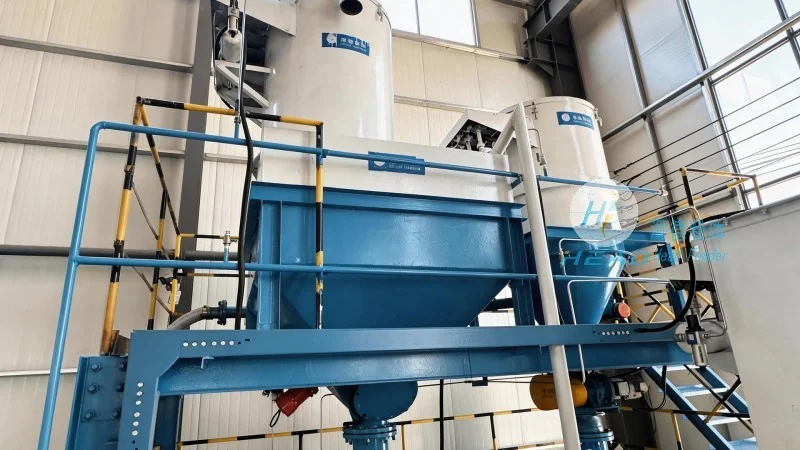
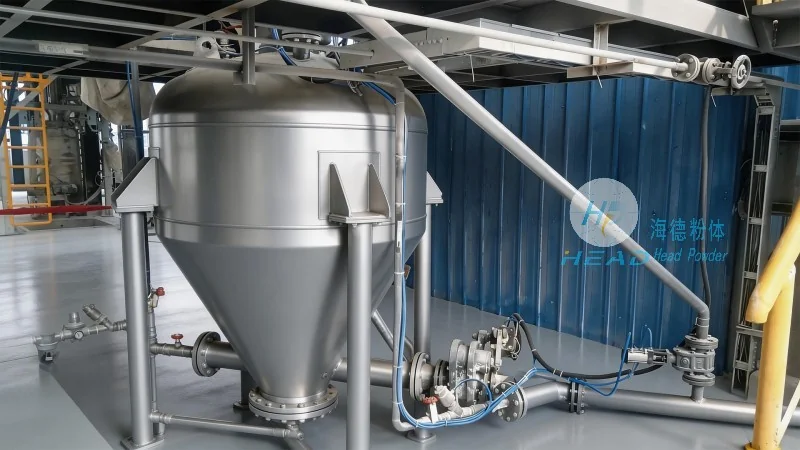
Pneumatic conveying systems utilize air or other gases to transport calcium nitrite particles through a pipeline. This method is particularly effective for short to medium distances and can handle a wide range of particle sizes. The system typically consists of a hopper, a conveyor line, and a dust collector. The material is fed into the system and carried by the moving air stream to the destination. Pneumatic conveying offers advantages such as low maintenance, the ability to transport materials over vertical and horizontal distances, and reduced risk of contamination compared to other methods. However, it may not be suitable for very long distances or high-volume applications due to potential pressure drop and energy consumption issues.
Hydraulic or Liquid Injection Systems
Hydraulic or liquid injection systems involve dissolving calcium nitrite in water or another liquid carrier and then injecting the solution into the process. This method is commonly used in water treatment applications where the compound needs to be added to large volumes of water. The system includes a storage tank, a pump, and injection points. The liquid solution is pumped through the system and introduced at the required location. The primary benefits of this approach include precise control over the dosage and the ability to handle high concentrations of the compound. It also minimizes dust generation and improves safety in handling. The main drawback is the need for additional equipment to handle the liquid and the potential for corrosion in the system components.
Mechanical Conveying Equipment
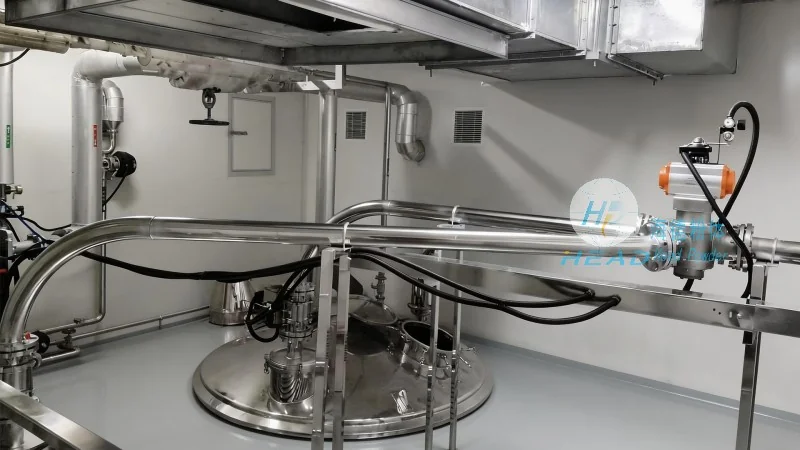
Mechanical conveying equipment, such as belt conveyors, screw conveyors, and bucket elevators, uses mechanical components to move calcium nitrite. This method is ideal for short distances and bulk handling. Belt conveyors are commonly used for horizontal or slightly inclined transport, while screw conveyors are suitable for vertical or inclined movement. Bucket elevators are used for vertical transport over longer distances. Mechanical conveying offers advantages like simplicity, low energy consumption, and the ability to handle large quantities of material. However, it may not be suitable for fine powders or materials that are prone to caking, as this can lead to blockages and reduced efficiency.
Considerations for Choosing the Right Delivery Method
Selecting the appropriate delivery method for calcium nitrite depends on several factors. The first consideration is the distance and layout of the facility. For short distances, mechanical conveying may be sufficient, while pneumatic or hydraulic systems are better for longer distances. The second factor is the material's properties, including particle size, moisture content, and tendency to cake. Fine powders may require pneumatic or hydraulic systems to avoid dust and blockages. The third consideration is the required dosage and control precision. Hydraulic systems provide better control over dosage, making them suitable for applications where precise addition is critical. The fourth factor is safety and environmental concerns. Pneumatic systems reduce dust exposure, while hydraulic systems minimize the risk of dust inhalation. The choice of method should also consider the overall cost, including installation, maintenance, and operational expenses.
Conclusion and Company Information
In conclusion, the choice of calcium nitrite delivery method depends on a combination of operational requirements, material properties, and cost considerations. Each method has its own set of advantages and limitations, and selecting the right approach ensures efficient and safe handling of the compound. For businesses seeking reliable solutions for calcium nitrite delivery, Shandong HeadPowder Engineering Co., Ltd., operating under the brand name headpowder, offers expertise and customized solutions. With a focus on quality and customer satisfaction, headpowder provides equipment and systems tailored to meet the specific needs of various industrial applications. Based in Shandong, China, the company leverages its experience to deliver effective and efficient calcium nitrite delivery solutions.