

Common Bamboo Powder Conveying Methods: A Comparison of Advantages and Disadvantages
When it comes to handling bamboo powder, selecting the right conveying method is crucial for efficiency, cost-effectiveness, and operational safety. Various options are available, each with its own set of advantages and disadvantages. This article provides a detailed comparison of common bamboo powder conveying methods, helping industrial operators make informed decisions based on their specific needs.
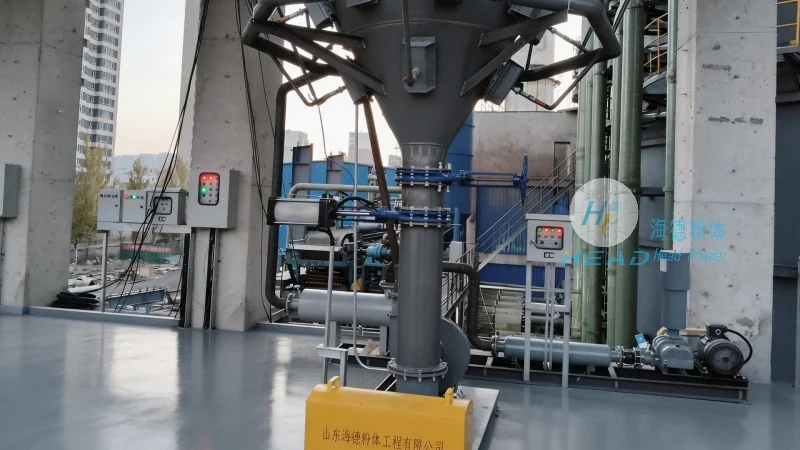
Bamboo Powder Conveying Methods Overview
Bamboo powder, a fine and often abrasive material, requires specialized equipment to transport without degradation or equipment damage. The primary methods used in industrial settings include screw conveyors, pneumatic conveyors, belt conveyors, and bucket elevators. Each method has distinct characteristics that influence its suitability for different applications.
Screw Conveyors: Advantages and Disadvantages
Screw conveyors, also known as auger conveyors, are one of the most common solutions for transporting bamboo powder. They consist of a rotating helical screw inside a tube, which moves material forward through the system. The advantages of screw conveyors include their compact design, low maintenance requirements, and ability to handle a wide range of particle sizes. They are particularly effective for horizontal or slightly inclined transport, making them ideal for short to medium-distance applications.
However, screw conveyors have notable drawbacks. They are not suitable for vertical transport due to the risk of material bridging or clogging, which can lead to operational disruptions. Additionally, the high friction between the screw and the material can cause excessive wear on the equipment, especially with abrasive bamboo powder. This can result in higher long-term maintenance costs and potential downtime for repairs.
Pneumatic Conveyors: Advantages and Disadvantages
Pneumatic conveyors use air pressure to transport bamboo powder through a pipeline system. These systems can be classified as pressure or vacuum types, depending on the method of material movement. The primary advantage of pneumatic conveyors is their ability to handle both horizontal and vertical transport with ease, making them versatile for complex layouts. They also offer a dust-free operation, which is beneficial for maintaining air quality in industrial environments.
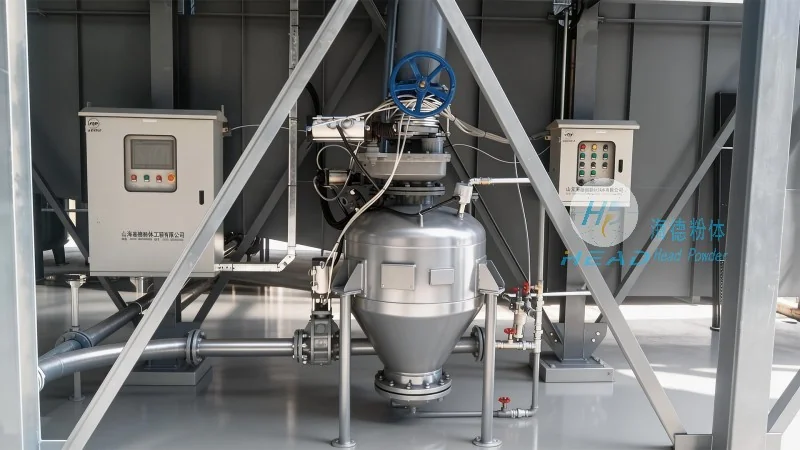
Nevertheless, pneumatic conveyors have significant disadvantages. They require higher energy consumption compared to mechanical conveyors, as the air pressure and flow rates need to be maintained to move the material. This can increase operational costs, especially for large-scale applications. Moreover, the high velocity of air can cause wear on the pipeline and fittings, and the system may be prone to blockages if the powder is too fine or has high moisture content. Proper filtration and maintenance are essential to prevent these issues.
Belt Conveyors: Advantages and Disadvantages
Belt conveyors use a continuous belt to transport bamboo powder over a series of rollers or idlers. They are widely used in bulk material handling due to their high capacity and ability to cover long distances. The advantages of belt conveyors include their high throughput, low maintenance for the conveyor itself, and suitability for both horizontal and inclined transport. They are particularly effective for transporting large quantities of bamboo powder over long distances, such as in storage and processing facilities.
However, belt conveyors have limitations that make them less suitable for some applications. They require a relatively large footprint, which may not be feasible in compact industrial spaces. The system is also susceptible to material spillage and belt damage from abrasive particles, leading to increased maintenance and potential product loss. Additionally, the initial cost of installation can be higher compared to other conveying methods, and the setup may be more complex for vertical or steeply inclined transport.
Bucket Elevators: Advantages and Disadvantages
Bucket elevators are vertical or inclined conveyors that use a series of buckets attached to a chain or belt to lift bamboo powder. They are commonly used for vertical transport and can also handle inclined angles. The main advantage of bucket elevators is their ability to transport material vertically with minimal space requirements, making them ideal for applications where vertical space is limited. They also offer a high capacity and can handle abrasive materials without significant wear, as the buckets are designed to withstand the impact and friction.
Despite these benefits, bucket elevators have their drawbacks. They are generally more expensive to install and maintain compared to other conveying methods. The system is also prone to mechanical failures, such as chain or belt wear, which can lead to downtime. Additionally, the vertical design can cause material degradation if the speed is too high or the buckets are not properly designed, potentially affecting the quality of the bamboo powder.
Choosing the Right Conveying Method for Bamboo Powder
When selecting a conveying method for bamboo powder, several factors must be considered to ensure optimal performance and cost-effectiveness. The first consideration is the distance and direction of transport—horizontal, vertical, or a combination. For short horizontal distances, screw conveyors may be sufficient, while pneumatic or belt conveyors are better for longer distances. Vertical transport is best handled by bucket elevators or pneumatic systems.
Particle size and material characteristics are also critical. Fine bamboo powder may require a system with better dust control, such as a pneumatic conveyor, to prevent loss and contamination. Abrasive materials, like bamboo powder, may need equipment with wear-resistant components, such as screw conveyors with stainless steel or special coatings.
Energy consumption and maintenance costs are other important factors. For applications where energy efficiency is a priority, screw conveyors or belt conveyors may be more economical. However, if the material is prone to clogging or bridging, pneumatic conveyors may be necessary despite higher energy costs.
Operational safety and environmental considerations also play a role. Dust-free systems like pneumatic conveyors are preferable in environments where air quality is a concern. Additionally, the system's ability to handle variations in material flow, such as fluctuations in production, should be evaluated to ensure smooth operation.
HeadPowder: Expertise in Bamboo Powder Conveying Solutions
Shandong HeadPowder Engineering Co., Ltd., a leading manufacturer based in China, specializes in providing customized conveying solutions for bamboo powder and other fine materials. With years of experience in the industry, HeadPowder understands the unique challenges of handling bamboo powder and offers tailored equipment to meet specific operational needs.
HeadPowder's product line includes a range of conveying systems, from screw conveyors and pneumatic conveyors to belt and bucket elevators. Each system is designed with high-quality materials and advanced engineering to ensure durability and efficiency. The company's expertise lies in optimizing the conveying process, reducing downtime, and minimizing maintenance costs for its clients.
For industrial operators looking to improve their bamboo powder handling efficiency, HeadPowder offers comprehensive solutions that address the advantages and disadvantages of each conveying method. By leveraging their knowledge and experience, HeadPowder helps clients select the most suitable equipment for their applications, ensuring optimal performance and long-term reliability.