

Common Fertilizer Delivery Methods: A Comparison of Advantages and Disadvantages
When it comes to transporting fertilizer from production sites to application areas, selecting the right delivery method is crucial for efficiency, cost-effectiveness, and operational safety. Various systems are available, each with its own set of advantages and disadvantages. This article provides a detailed comparison of common fertilizer delivery methods, helping you make an informed decision based on your specific operational needs.
Introduction to Fertilizer Delivery Systems
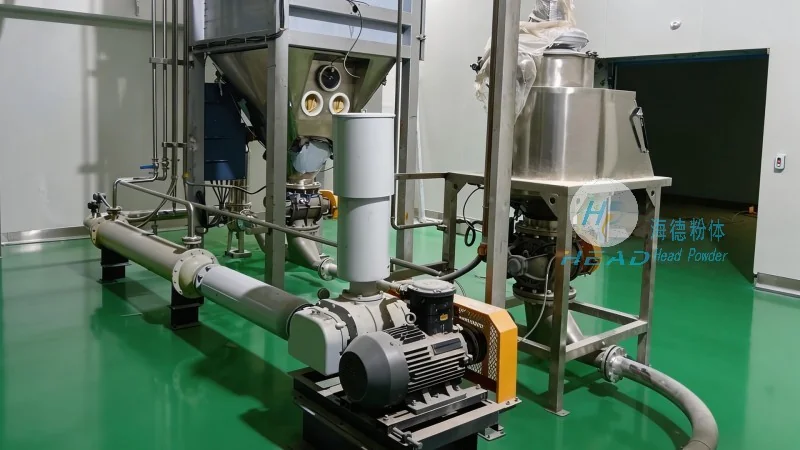
Effective fertilizer delivery is a critical component of modern agricultural and industrial processes. The choice of delivery system impacts not only the speed and reliability of material transport but also the overall environmental impact and operational costs. Shandong HeadPowder Engineering Co., Ltd., a leading provider of specialized engineering solutions, understands the importance of selecting the most suitable fertilizer delivery method for each client's unique requirements.
Pneumatic Conveying Systems
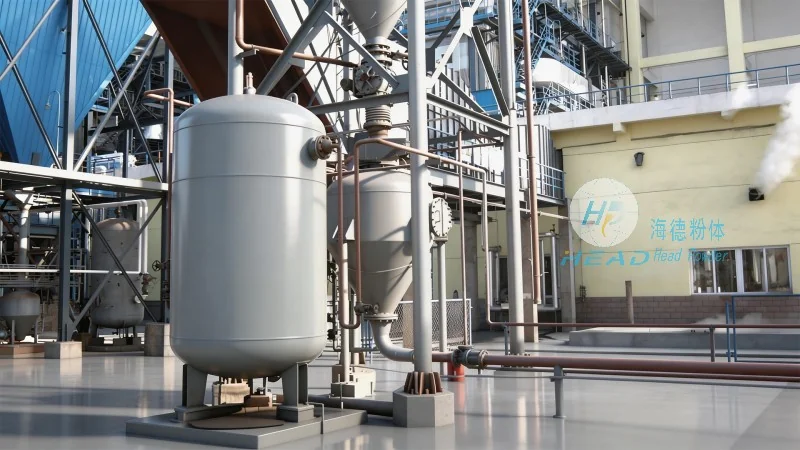
Pneumatic conveying systems use air pressure to move dry bulk materials like fertilizer through a network of pipes. These systems are widely used due to their ability to handle fine powders and granules efficiently. One of the primary advantages of pneumatic conveyors is their flexibility in routing, allowing for complex layouts without the need for extensive infrastructure modifications. However, they require significant energy input to maintain air pressure, which can increase operational costs over time. Additionally, the system's performance can be affected by the moisture content of the fertilizer, as high humidity may lead to material buildup or clogging in the pipes.
Hydraulic Conveying Systems
Hydraulic conveying systems utilize water or a liquid slurry to transport fertilizer. This method is particularly effective for handling wet or sticky materials, as the liquid helps to prevent clumping and ensures smooth flow through the pipeline. A key advantage of hydraulic systems is their ability to handle high volumes of material with relatively low energy consumption compared to pneumatic systems. However, they require regular maintenance to prevent corrosion and clogging, as the liquid medium can cause wear on components. Moreover, the system's efficiency is highly dependent on the consistency of the fertilizer slurry, which may vary with different product types or moisture levels.
Mechanical Conveying Systems
Mechanical conveying systems rely on mechanical components such as belts, screws, or buckets to move fertilizer. These systems are often used for short to medium distances and are particularly suitable for handling bulk materials in storage and handling facilities. A significant advantage of mechanical conveyors is their low energy consumption and minimal maintenance requirements, as they do not rely on compressed air or liquid media. However, they may have limitations in terms of the material's size and shape, as oversized or irregularly shaped particles can cause blockages or damage to the equipment. Additionally, mechanical systems may not be as effective for transporting fine powders, as they can lead to dust generation and material loss.
Factors to Consider When Choosing a Fertilizer Delivery Method
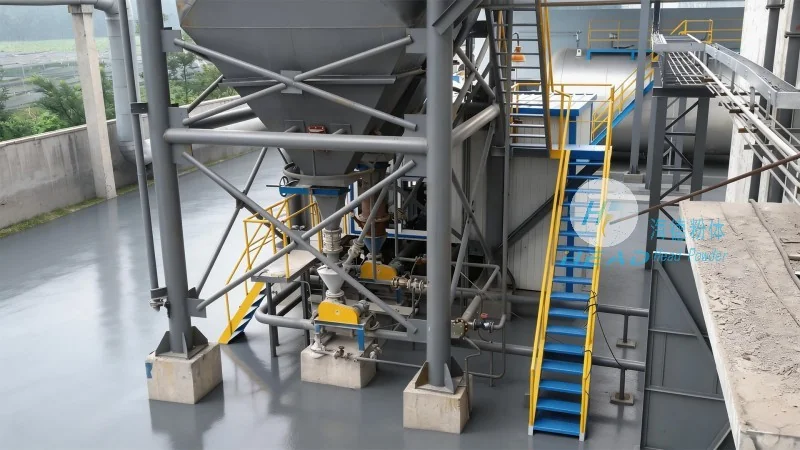
When selecting a fertilizer delivery method, several factors must be evaluated to ensure optimal performance and cost-effectiveness. The first consideration is the physical properties of the fertilizer, including particle size, moisture content, and bulk density. For example, fine powders may be better suited for pneumatic systems, while wet or sticky materials are more appropriate for hydraulic systems. The distance and layout of the transport route are also critical, as pneumatic systems are more flexible for long-distance and complex routing, whereas mechanical systems are ideal for shorter distances with straightforward layouts. Operational costs, including energy consumption, maintenance requirements, and initial investment, should be carefully assessed. Shandong HeadPowder Engineering Co., Ltd. offers comprehensive engineering solutions tailored to these factors, helping clients choose the most efficient and cost-effective delivery method for their specific applications.
Conclusion
In conclusion, the choice of fertilizer delivery method depends on a variety of factors, including the material's characteristics, transport distance, and operational budget. Pneumatic, hydraulic, and mechanical systems each offer unique advantages and challenges. By understanding these differences and considering the specific needs of your operation, you can select the most suitable delivery system to enhance efficiency and productivity. Shandong HeadPowder Engineering Co., Ltd. is committed to providing expert guidance and customized solutions to help you achieve optimal fertilizer delivery performance.