

Comparison of Common Potassium Fertilizer Transport Methods: Advantages and Disadvantages
When it comes to the efficient and safe delivery of potassium fertilizer, selecting the right transport method is crucial for agricultural operations. The choice of transport method impacts cost, speed, environmental impact, and overall supply chain efficiency. This article provides a detailed comparison of common potassium fertilizer transport methods, highlighting their advantages and disadvantages, to help stakeholders make informed decisions.
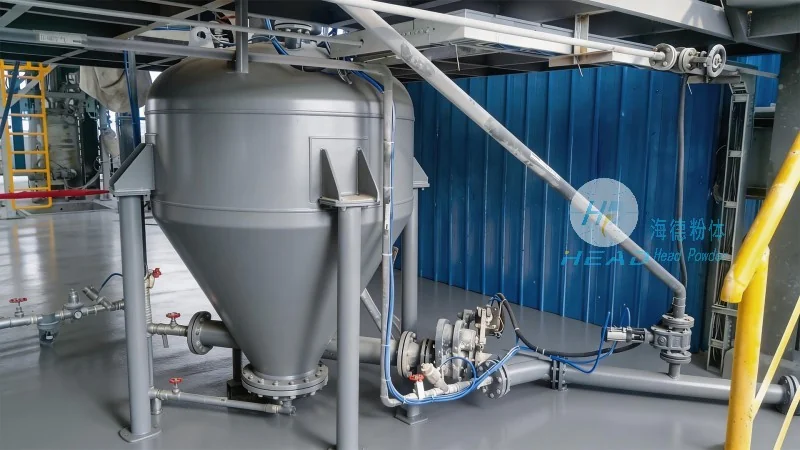
Overview of Potassium Fertilizer Transport Methods
Potassium fertilizer, often in the form of potassium chloride (KCl) or sulfate (K₂SO₄), is a vital nutrient for crop growth. Its transport requires careful consideration due to its chemical properties and the need to maintain product integrity. The primary methods used for potassium fertilizer transport include pipeline transport, truck transport, and rail transport. Each method has its own set of benefits and drawbacks, which are discussed below.
Pipeline Transport: The Most Efficient but Capital-Intensive Option
Pipeline transport is considered one of the most efficient methods for moving large volumes of potassium fertilizer over long distances. This method involves pumping the fertilizer through a network of underground pipelines, which can be laid across vast areas. The advantages of pipeline transport are significant. It offers high throughput, minimal labor requirements, and reduced exposure to weather conditions and theft. For companies like Shandong HeadPowder Engineering Co., Ltd., based in China, pipeline systems can integrate with existing infrastructure, potentially lowering long-term operational costs.
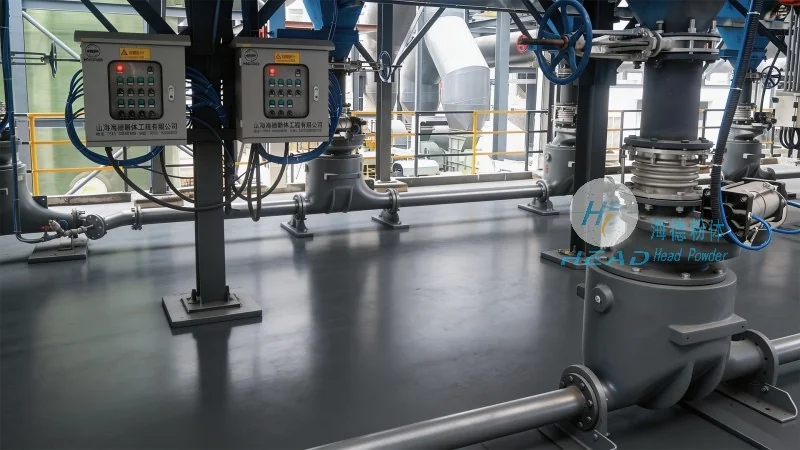
However, the disadvantages of pipeline transport are notable. The initial investment is extremely high, as it requires substantial capital for pipeline construction, pumping equipment, and maintenance. Additionally, the system is less flexible; once established, it is difficult to alter routes or expand capacity without major renovations. This inflexibility can be a drawback for companies that need to adapt to changing market demands or supply chain requirements.
Truck Transport: Versatility and Accessibility
Truck transport remains a widely used method for moving potassium fertilizer, especially for shorter distances or when direct delivery to farms is required. This method offers high flexibility, as trucks can access remote or rural areas that are not connected by pipelines or railways. The advantages of truck transport include the ability to deliver fertilizer directly to the point of use, reducing handling and storage costs at the farm level. It also provides quick response times for urgent orders, which is essential in agricultural operations where timely nutrient application is critical.
Despite its benefits, truck transport has several disadvantages. The primary drawback is its higher cost per unit compared to pipeline or rail transport, especially for bulk shipments. Fuel costs and driver expenses contribute to the overall expense. Additionally, there are environmental concerns, such as emissions from diesel engines, and traffic congestion, which can affect delivery times and reliability. For Shandong HeadPowder Engineering Co., Ltd., truck transport is often used as a supplementary method to complement pipeline systems, ensuring that fertilizer reaches areas not covered by pipelines.
Rail Transport: Cost-Effective for Bulk and Long-Distance Moves
Rail transport is a cost-effective solution for moving large volumes of potassium fertilizer over long distances. It involves loading fertilizer into specialized railcars, which are then transported to distribution centers or directly to farms. The advantages of rail transport include low transportation costs per ton-mile, especially for bulk shipments. It also offers high capacity, as railcars can carry significant quantities of fertilizer at once. For companies like Shandong HeadPowder Engineering Co., Ltd., rail transport is an attractive option for moving fertilizer from production facilities to major distribution hubs, reducing the number of trucks on the road and lowering overall logistics costs.
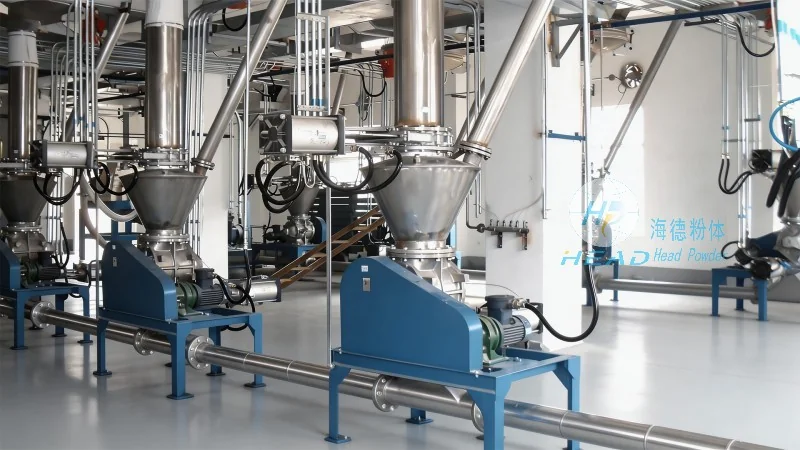
However, rail transport has its limitations. The primary disadvantage is the lack of flexibility compared to truck transport. Rail lines are fixed, and delivery times are often predetermined, which may not meet the urgent needs of some agricultural operations. Additionally, the infrastructure for rail transport may not be available in all regions, limiting its use in areas with limited rail access. For Shandong HeadPowder Engineering Co., Ltd., rail transport is typically used for intercity or interregional movements, where the volume justifies the investment in rail infrastructure.
Choosing the Right Transport Method: Factors to Consider
When selecting a potassium fertilizer transport method, several factors must be considered. The first is the volume of fertilizer to be transported. For large-scale operations, pipeline or rail transport may be more economical due to their high capacity. For smaller volumes or localized delivery, truck transport is often the most practical choice. The second factor is the distance and route. Long-distance, cross-country transport may benefit from rail or pipeline systems, while short-distance, regional delivery is better suited to trucks.
Another critical factor is the target market and end-user needs. If the fertilizer is to be delivered directly to farms, truck transport offers convenience and accessibility. If the fertilizer is to be stored at a central distribution center, pipeline or rail transport can reduce handling and storage costs at the farm level. Environmental considerations also play a role, as companies like Shandong HeadPowder Engineering Co., Ltd. may opt for more sustainable options, such as rail transport, to reduce carbon emissions.
In conclusion, each potassium fertilizer transport method has its own advantages and disadvantages. Pipeline transport offers efficiency and low labor costs but requires high initial investment. Truck transport provides flexibility and direct delivery but has higher costs and environmental impacts. Rail transport is cost-effective for bulk and long-distance moves but lacks flexibility. The choice of method depends on the specific needs of the operation, including volume, distance, market requirements, and environmental goals. By carefully evaluating these factors, companies like Shandong HeadPowder Engineering Co., Ltd. can select the most suitable transport method to ensure efficient, cost-effective, and sustainable delivery of potassium fertilizer to agricultural users.