

Common Lime Conveying Methods: A Comparative Analysis of Advantages and Disadvantages
Lime, also known as calcium hydroxide, is a critical industrial material used in water treatment, construction, and chemical production. The efficient and safe transportation of lime from storage to processing units is essential for maintaining operational efficiency and product quality. This article provides a detailed comparison of common lime conveying methods, highlighting their advantages and disadvantages to assist industrial operators in making informed decisions.
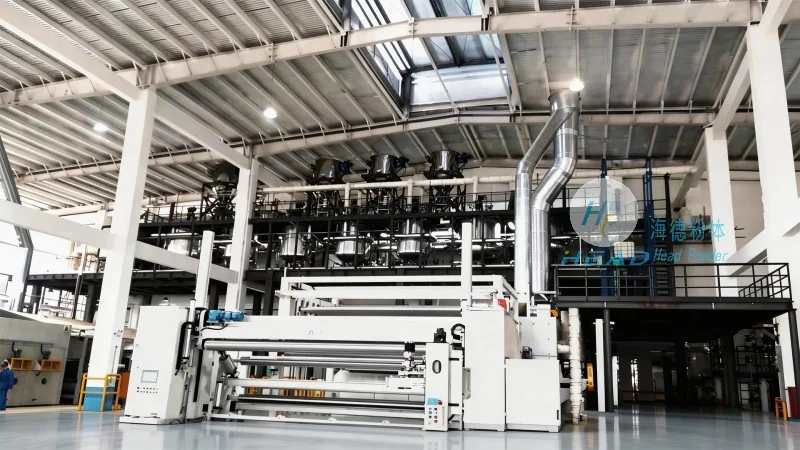
1. Pneumatic Conveying Systems
Pneumatic conveying, or air-assisted transport, is a widely adopted method for moving lime, particularly for long-distance or vertical transport. This system utilizes compressed air to propel lime particles through a pipeline. The primary advantages of pneumatic conveying include high transport capacity, minimal dust generation when properly sealed, and the ability to handle both dry and slightly moist lime. However, it has notable drawbacks, such as high energy consumption due to continuous operation of air compressors, potential for material degradation if the system is not well-maintained, and the need for specialized equipment to prevent blockages and ensure consistent flow.
2. Screw Conveyors
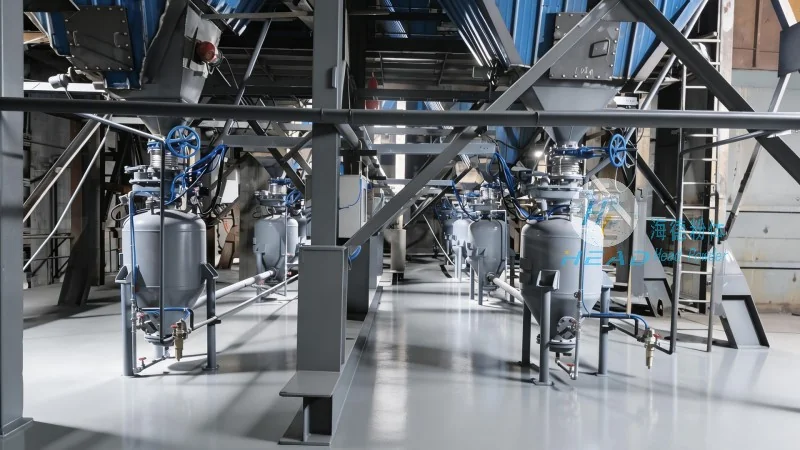
Screw conveyors, also called auger conveyors, are mechanical devices that use a rotating screw to move lime through a trough. They are suitable for horizontal or slight incline transport and are effective for handling bulk materials with moderate moisture content. The main advantages of screw conveyors are their simplicity, low maintenance requirements, and ability to operate in a closed system to contain dust. Nevertheless, they have limitations, including lower capacity compared to pneumatic systems, potential for material degradation due to friction and heat generation, and difficulty in handling very fine or cohesive lime particles without clogging.
3. Belt Conveyors
Belt conveyors are another common option for lime transport, especially in large-scale operations where long distances or multiple discharge points are required. These systems consist of a continuous belt moving over rollers, transporting lime from the source to the destination. The advantages of belt conveyors include high capacity, low energy consumption per unit of material moved, and the ability to handle a wide range of material sizes and moisture levels. However, they have disadvantages such as higher initial costs compared to screw or pneumatic systems, the need for regular maintenance to prevent belt wear and tear, and the risk of material spillage or contamination if the system is not properly sealed.
4. Hydraulic Conveying
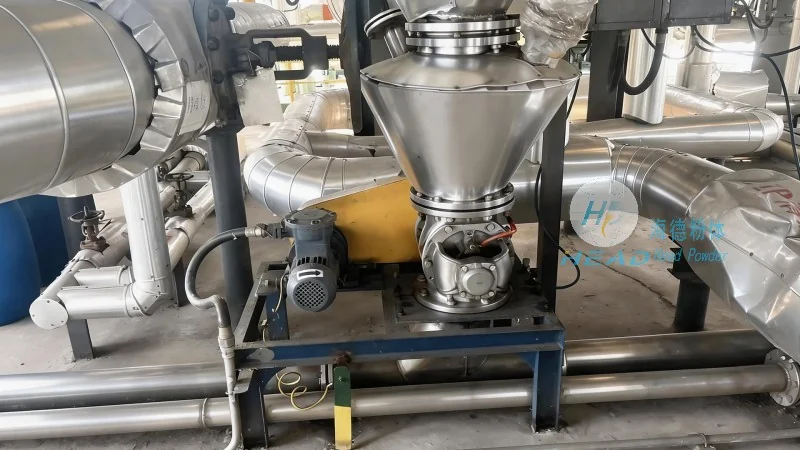
Hydraulic conveying uses water or a water-lime slurry to transport lime, typically in applications where the material is already in a slurry form or needs to be mixed with water for processing. This method is effective for handling wet or sticky lime and can reduce dust exposure. The advantages of hydraulic conveying include the ability to transport lime over long distances with minimal energy input and the reduction of dust generation. However, it has significant drawbacks, including the need for additional equipment to handle and dispose of the slurry, higher water usage and associated costs, and potential for material separation or settling if the system is not properly designed.
5. Comparison and Selection Criteria
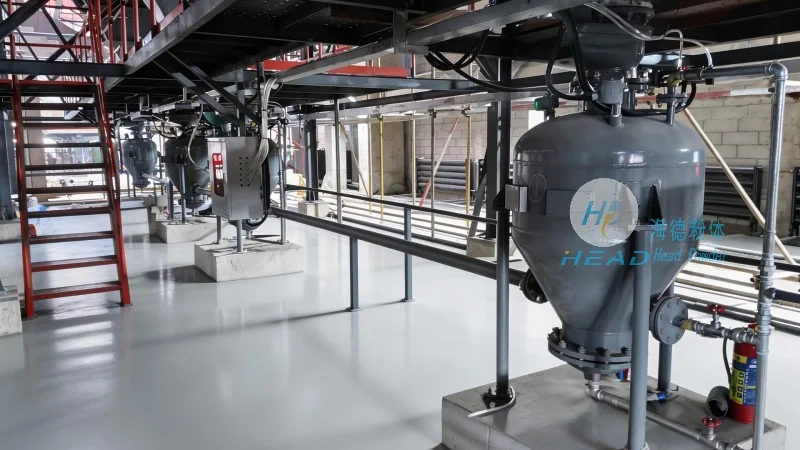
When selecting a lime conveying method, industrial operators must consider several factors, including the scale of operation, the distance and elevation changes, the moisture content and particle size of the lime, and the available budget. Pneumatic systems are ideal for high-capacity, long-distance transport but require significant energy investment. Screw conveyors are suitable for moderate capacities and horizontal transport but may struggle with fine materials. Belt conveyors offer high capacity and low energy per unit but have higher initial costs. Hydraulic conveying is best for wet or slurry applications but involves additional water management.
Conclusion
Each lime conveying method has its own set of advantages and disadvantages, and the optimal choice depends on the specific operational requirements and constraints. Shandong HeadPowder Engineering Co., Ltd., a leading supplier of lime and related equipment, offers comprehensive solutions tailored to these needs. By understanding the pros and cons of each method, industrial operators can select the most efficient and cost-effective conveying system for their lime handling applications.