

Comparison of Common Cornstarch Conveying Methods: Advantages and Disadvantages
When it comes to the efficient handling and transportation of cornstarch, selecting the right conveying method is crucial for industrial operations. Various technologies are available, each with its own set of advantages and disadvantages. This article provides a detailed comparison of common cornstarch conveying methods, helping industrial professionals make informed decisions based on their specific operational needs. The information is presented by Shandong HeadPowder Engineering Co., Ltd., a leading provider of specialized conveying solutions for the food and chemical industries.
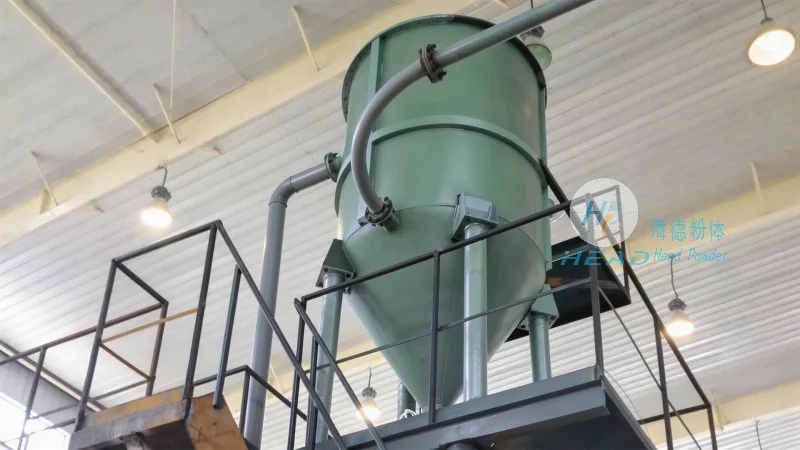
Overview of Cornstarch Conveying Methods
Cornstarch, a fine powder used in food processing, pharmaceuticals, and other industries, requires specialized handling to prevent issues like caking, bridging, and dust generation. Conveying systems must be designed to maintain product integrity while ensuring safe and efficient movement. The primary methods include pneumatic conveying, mechanical conveying, and hybrid systems. Each approach has distinct characteristics that influence its suitability for different applications.
Pneumatic Conveying Systems
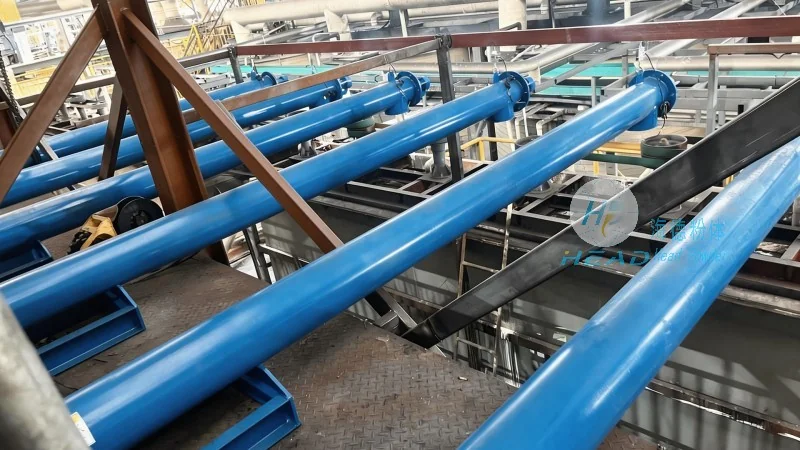
Pneumatic conveying uses air or other gases to transport cornstarch particles through a pipeline. This method is widely used due to its ability to handle fine powders without the need for mechanical components in the conveying line. There are two main types: pressure and vacuum systems. Pressure systems push material forward using compressed air, while vacuum systems pull material through the pipeline using a vacuum. The choice between pressure and vacuum depends on factors such as distance, material characteristics, and system complexity.
Advantages of pneumatic conveying include its ability to handle fine, abrasive materials like cornstarch without causing wear and tear. It also allows for enclosed systems, reducing dust exposure and improving safety. Additionally, pneumatic systems can be integrated with other processing equipment, enabling a seamless flow of materials. However, they may require higher energy consumption compared to mechanical systems, and the risk of product degradation due to high air velocities or pressure fluctuations must be managed carefully.
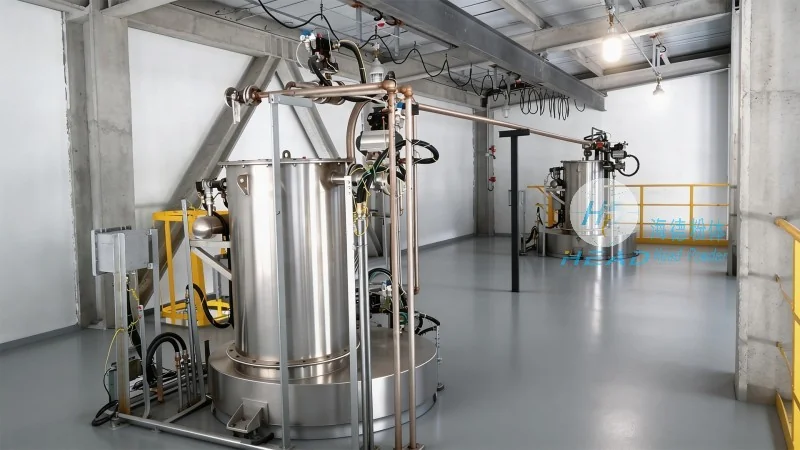
Disadvantages of pneumatic conveying include the potential for material degradation if not properly controlled. High air velocities can cause particle attrition, affecting product quality. Moreover, the system requires regular maintenance of air filters and compressors to ensure consistent performance. In addition, the initial investment for pneumatic systems can be higher than mechanical alternatives, especially for large-scale operations.
Mechanical Conveying Systems
Mechanical conveying relies on physical components like belts, screws, and buckets to move cornstarch. Screw conveyors, for example, use a rotating screw to push material forward, while bucket elevators lift and transport material vertically. These systems are often preferred for bulk material handling due to their simplicity and low operational costs.
Advantages of mechanical conveying include lower energy consumption compared to pneumatic systems, as they do not require compressed air or vacuum pumps. They are also more cost-effective for short distances and large volumes of material. Mechanical systems are generally more durable and require less maintenance, as they have fewer moving parts exposed to the material. This makes them suitable for heavy-duty applications where reliability is paramount.
However, mechanical conveyors have limitations when handling fine, cohesive powders like cornstarch. Bridging and caking can occur in screw conveyors, leading to blockages and downtime. Additionally, the risk of product contamination is higher with mechanical systems, as parts may come into direct contact with the material. The enclosed design of some mechanical systems can also be less effective at preventing dust dispersion compared to pneumatic alternatives.
Hybrid Conveying Systems
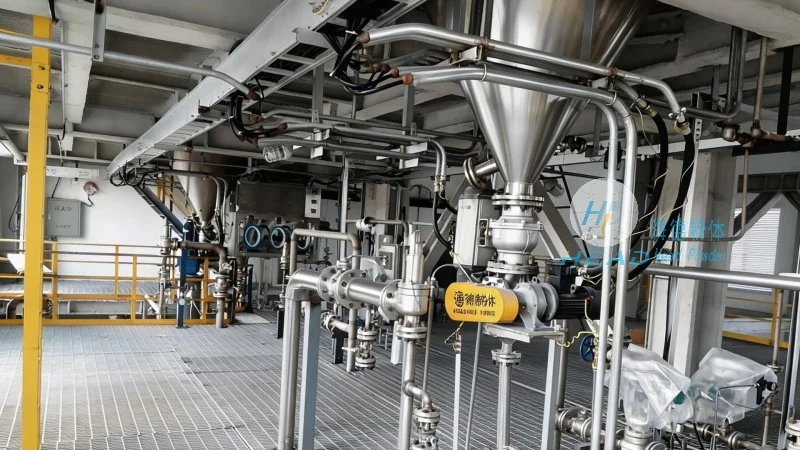
Hybrid systems combine elements of both pneumatic and mechanical conveying to leverage the benefits of each approach. For instance, a screw conveyor might be used to feed a pneumatic conveying line, or a mechanical bucket elevator could be integrated with a vacuum system. These systems are designed to address specific challenges, such as handling both fine and bulk materials in a single operation.
Advantages of hybrid systems include enhanced flexibility and adaptability to varying material characteristics. They can efficiently transport both fine powders and bulk materials, reducing the need for multiple systems. This integration also improves overall system efficiency by minimizing material handling steps and reducing energy consumption. Hybrid systems are particularly useful in complex processing environments where different materials or product grades need to be handled simultaneously.