

[CMPRNSNDPRDVRNGMTDS:ADVNTGSNDDISADVNTGS]
When it comes to the efficient and reliable handling of sanding powders in industrial applications, the choice of conveying method plays a crucial role. Various technologies are available, each with its own set of advantages and disadvantages. This article provides a detailed comparison of common sanding powder conveying methods, helping businesses select the most suitable option for their specific needs.
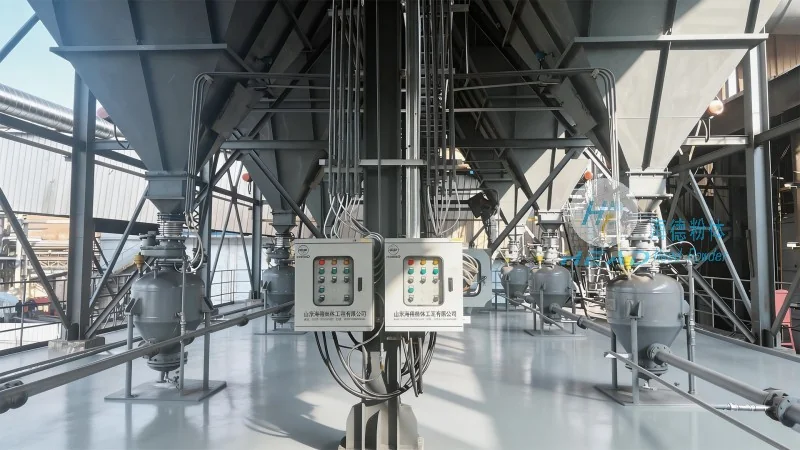
Gravity Conveying Systems
Gravity conveying systems utilize the natural force of gravity to move sanding powders from one point to another. These systems typically consist of inclined chutes or hoppers that allow the material to flow downward. A key advantage of gravity conveying is its simplicity and low maintenance requirements. Since there are no moving parts involved, the risk of mechanical failure is minimal, and operational costs are generally lower compared to other methods. Additionally, gravity systems are energy-efficient as they do not require external power sources for the primary conveying action.
However, gravity conveying has significant limitations. The method is highly dependent on the angle of the chute and the material's characteristics, such as its density and flowability. If the material is too fine or has poor flow properties, it may not move efficiently, leading to blockages or uneven flow. This limitation makes gravity conveying less suitable for handling highly abrasive or fine sanding powders, which are common in many industrial applications. Moreover, the system's capacity is often limited, and it may not be able to handle large volumes of material, restricting its use in high-throughput operations.
Air Conveying Systems
Air conveying, also known as pneumatic conveying, uses compressed air to transport sanding powders through a pipeline. This method is widely used in industries where dust control and flexibility are critical. One of the primary advantages of air conveying is its ability to handle a wide range of materials, including fine powders and abrasive particles. The system can transport materials over long distances and can be easily integrated with other processing equipment. Additionally, air conveying offers excellent dust containment, as the material is enclosed within the pipeline, reducing the risk of airborne dust and improving workplace safety.
Despite these benefits, air conveying systems come with notable drawbacks. The most significant disadvantage is the high energy consumption associated with operating the compressed air system. The cost of electricity to run the air compressor can be substantial, especially for large-scale operations. Furthermore, air conveying may not be suitable for all types of sanding powders. For example, very fine or cohesive powders may cause blockages in the pipeline, leading to system downtime and maintenance issues. The system also requires regular cleaning and maintenance to prevent dust buildup and ensure smooth operation.
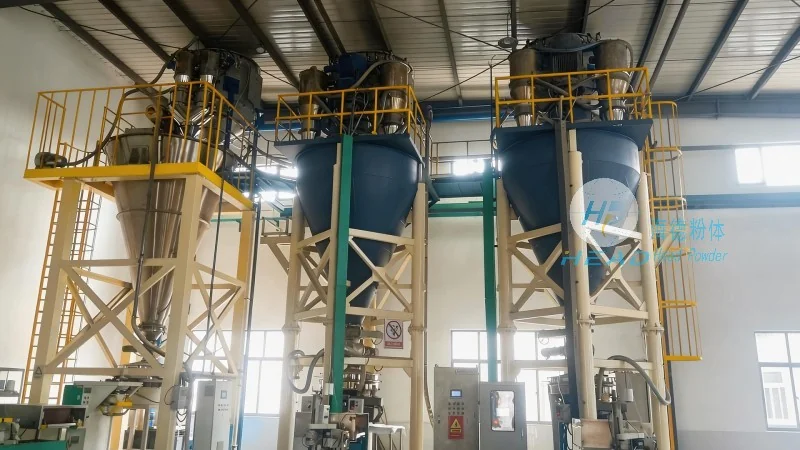
Mechanical Conveying Systems
Mechanical conveying systems employ mechanical components, such as belts, screws, or buckets, to move sanding powders. These systems are commonly used in applications where a continuous and controlled flow of material is required. A key advantage of mechanical conveying is its high capacity and ability to handle large volumes of material. Screw conveyors, for instance, can transport sanding powders at high speeds and over long distances, making them suitable for high-throughput operations. Additionally, mechanical systems offer precise control over the material's flow rate, allowing for better process management and consistency.
However, mechanical conveying systems have their own set of challenges. The presence of moving parts increases the risk of mechanical failure, such as belt wear or screw jamming. This can lead to frequent maintenance and downtime, increasing operational costs. Moreover, mechanical systems may not be suitable for handling highly abrasive or fine powders, as the components can wear out quickly and require replacement. The initial investment for mechanical conveying systems is also higher compared to gravity or air systems, making them less cost-effective for small-scale operations.
Choosing the Right Conveying Method
When selecting a sanding powder conveying method, several factors must be considered. The first is the material's characteristics, including its size, density, and flowability. For example, coarse and free-flowing powders may be best suited for gravity conveying, while fine and abrasive powders may require air or mechanical systems. The second factor is the required capacity and distance of material transport. If the distance is short and the volume is low, gravity conveying may be sufficient. For longer distances or higher volumes, air or mechanical systems may be more appropriate.
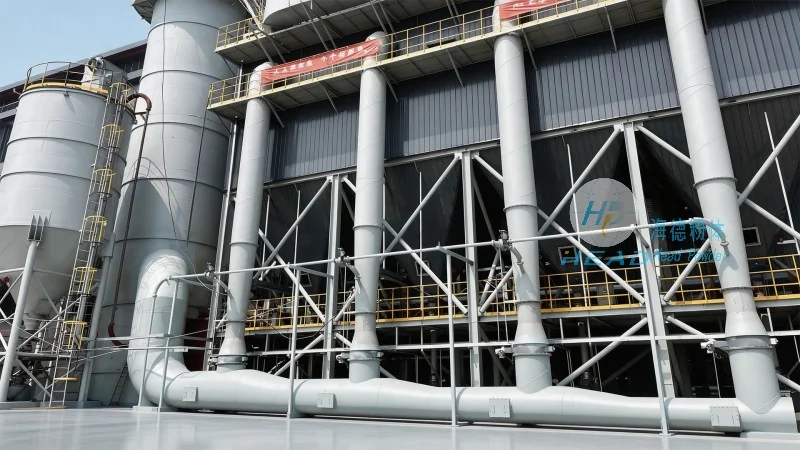
Another critical consideration is the operational environment and safety requirements. Air conveying offers better dust control, which is essential in environments where dust exposure is a concern. Mechanical systems, on the other hand, may be preferred in areas where dust containment is less of an issue but high capacity is needed. The cost of operation and maintenance is also a significant factor. Gravity systems have the lowest maintenance costs, while mechanical systems have the highest. Air systems fall in between, with energy costs being a major component.
Conclusion
In conclusion, the choice of sanding powder conveying method depends on a variety of factors, including the material's properties, operational requirements, and cost considerations. Gravity conveying offers simplicity and low maintenance but is limited by material flowability. Air conveying provides flexibility and dust control but has high energy costs. Mechanical conveying offers high capacity and control but requires more maintenance and higher initial investment. By carefully evaluating these factors, businesses can select the most suitable conveying method to ensure efficient and reliable handling of sanding powders.
Shandong HeadPowder Engineering Co., Ltd., a leading manufacturer of sanding powder handling solutions, specializes in providing customized conveying systems tailored to the specific needs of industrial applications. With years of experience in the industry, HeadPowder offers a range of solutions, including gravity, air, and mechanical conveying systems, to meet the diverse requirements of its clients. The company's commitment to quality and innovation ensures that its products are reliable, efficient, and cost-effective, helping businesses optimize their sanding powder handling processes and improve overall productivity.