

Comparison of Common Hydrogen Sulfide Transportation Methods: Advantages and Disadvantages
When it comes to the safe and efficient transportation of hydrogen sulfide (H₂S), selecting the right method is crucial for industrial operations. Hydrogen sulfide is a highly toxic and corrosive gas, making its handling and transport require specialized equipment and protocols. This article provides a detailed comparison of common H₂S transportation methods, highlighting their advantages and disadvantages to help industrial professionals make informed decisions.
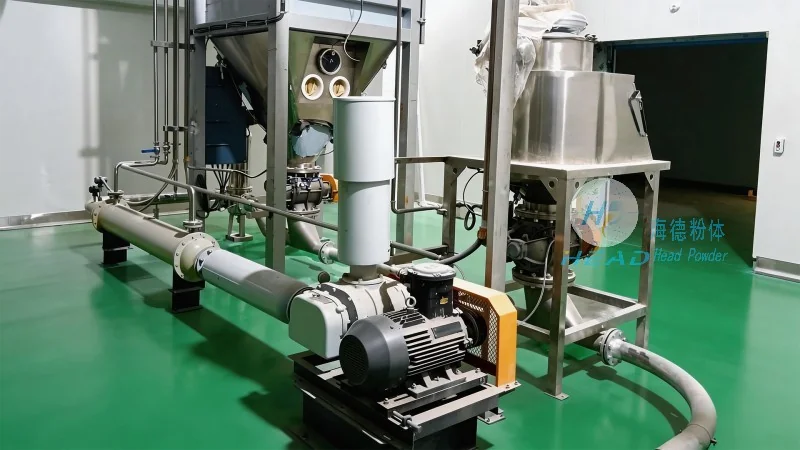
Overview of Hydrogen Sulfide Transportation
Before diving into specific transportation methods, it's essential to understand the key considerations for H₂S transport. Safety is paramount due to the gas's toxicity and flammability. Regulatory compliance, material compatibility, and cost-effectiveness are also critical factors. The choice of transportation method depends on factors such as the quantity of H₂S being transported, the distance, the destination, and the specific requirements of the receiving facility.
Pipeline Transportation: A Primary Method for Bulk H₂S
Pipeline transportation is the most common method for bulk hydrogen sulfide delivery, especially for long-distance or continuous supply scenarios. This method involves pumping H₂S through dedicated pipelines, which are typically made of corrosion-resistant materials like stainless steel or specialized alloys to prevent chemical reactions with the gas. The advantages of pipeline transport include high efficiency, minimal labor requirements, and continuous operation, which is ideal for industrial plants that require a steady supply of H₂S for processes like sulfur recovery or chemical production.
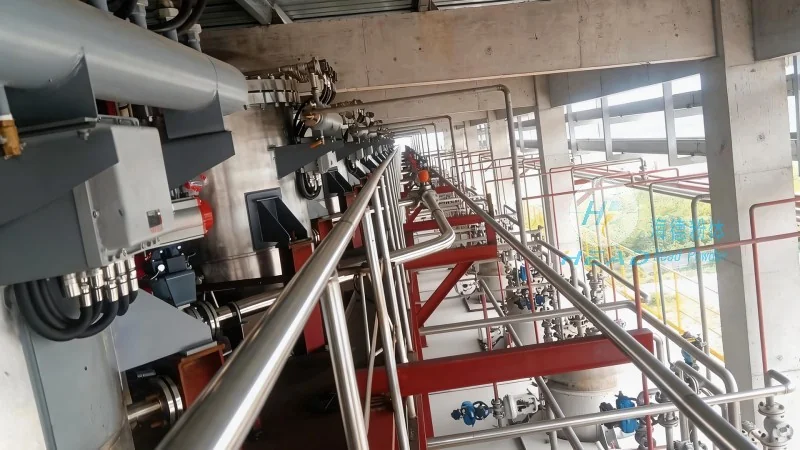
However, pipeline transportation has its drawbacks. The initial investment for pipeline construction is substantial, and maintenance costs can be high due to the need for regular inspections and repairs to prevent leaks. Additionally, pipeline systems are less flexible in terms of routing, as they require pre-established infrastructure. In cases where the receiving facility is not connected to an existing pipeline network, this method may not be feasible.
Truck Transportation: Flexibility for Smaller Volumes
Truck transportation is a flexible and widely used method for transporting smaller quantities of hydrogen sulfide. This method involves using specialized tank trucks equipped with pressure vessels and safety systems designed to handle H₂S. The advantages of truck transport include its flexibility in terms of routing and delivery location. It is particularly suitable for delivering H₂S to facilities that are not connected to a pipeline network or for short-term supply needs. Truck transport also allows for quicker delivery compared to other methods, making it ideal for time-sensitive operations.
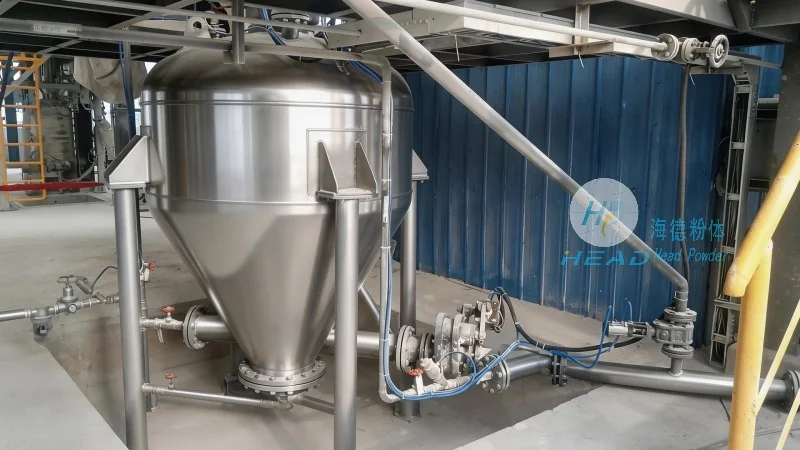
Despite its flexibility, truck transportation has several disadvantages. The primary concern is safety, as H₂S is highly toxic and flammable. Tank trucks must be equipped with advanced safety features, including pressure relief valves, leak detection systems, and emergency shut-off mechanisms. Additionally, the cost of truck transport can be higher than pipeline or other methods due to fuel costs and driver expenses. There are also regulatory restrictions on the volume and route of H₂S truck shipments, which can limit its use in certain areas.
Gas Cylinder Transportation: Suitable for Small-Scale Applications
Gas cylinder transportation is a method used for small-scale or intermittent H₂S supply needs. This involves using high-pressure cylinders filled with H₂S, which are then transported to the destination. The advantages of this method include its portability and suitability for small quantities. It is often used in laboratory settings or for applications that require a limited amount of H₂S for testing or research purposes. Gas cylinder transport is also relatively simple and does not require complex infrastructure.
However, gas cylinder transportation has significant limitations. The capacity of individual cylinders is small, making it impractical for large-scale operations. The cost per unit of H₂S is higher compared to bulk methods due to the high cost of cylinders and the need for frequent refilling. Additionally, the handling of high-pressure cylinders requires specialized training and equipment to ensure safety. There are also safety concerns related to the risk of cylinder rupture or leakage during transport.
Comparative Analysis: Choosing the Right H₂S Transportation Method
When selecting a hydrogen sulfide transportation method, it is essential to weigh the advantages and disadvantages of each option against the specific needs of the operation. For bulk, continuous supply over long distances, pipeline transportation is often the most cost-effective and efficient choice. For smaller volumes or facilities not connected to a pipeline network, truck transportation offers flexibility and convenience. Gas cylinder transportation is best suited for small-scale or intermittent needs.
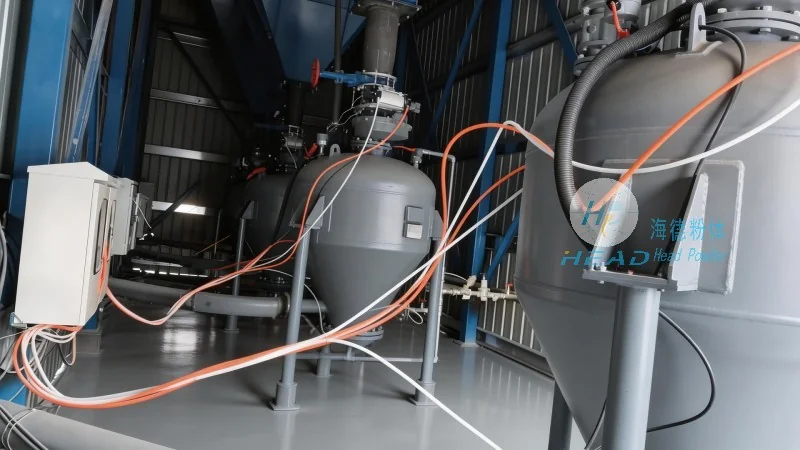
It is also important to consider the overall safety and regulatory aspects of each method. Pipeline systems require rigorous maintenance and monitoring to prevent leaks, while truck and cylinder transport require strict adherence to safety protocols and regulations. The choice of method should align with the operational requirements, budget, and safety standards of the organization.
HeadPowder Engineering: Expertise in H₂S Transportation Solutions
Shandong HeadPowder Engineering Co., Ltd. is a leading provider of specialized equipment and solutions for hydrogen sulfide transportation. With years of experience in the industry, HeadPowder offers a range of products and services tailored to meet the diverse needs of industrial clients. The company specializes in the design, manufacturing, and installation of corrosion-resistant pipelines, tank trucks, and safety systems for H₂S transport. HeadPowder's expertise ensures that clients receive reliable and safe solutions that comply with industry standards and regulations.
HeadPowder's commitment to quality and safety is evident in its product line, which includes advanced materials and technologies to minimize the risks associated with H₂S transportation. The company works closely with clients to understand their specific requirements and develop customized solutions that optimize efficiency and safety. Whether it's pipeline infrastructure, truck equipment, or gas cylinder systems, HeadPowder provides comprehensive support to ensure the safe and efficient delivery of hydrogen sulfide.