

Comparison of Common Gypsum Powder and Dust Conveying Methods: Advantages and Disadvantages
When it comes to the efficient and reliable transportation of gypsum powder and dust, selecting the right conveying method is crucial for industrial operations. The choice of conveying system directly impacts productivity, material quality, and operational costs. This article provides a detailed comparison of common gypsum powder and dust conveying methods, highlighting their advantages and disadvantages to help industrial professionals make informed decisions.
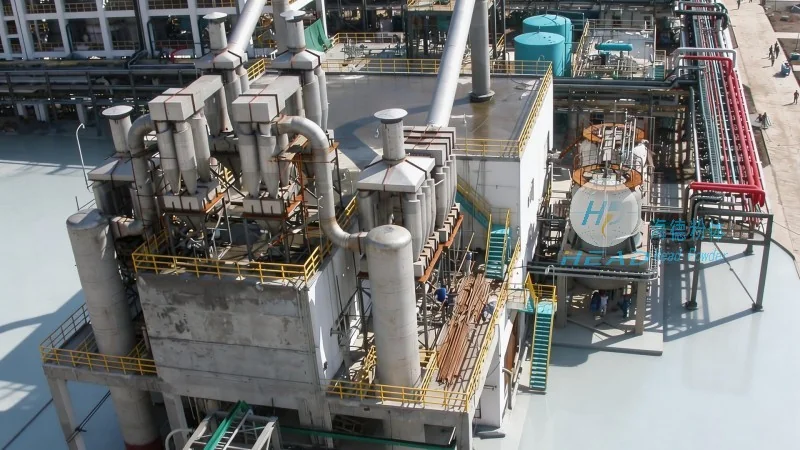
Introduction to Gypsum Powder and Dust Conveying
Gypsum powder, often used in construction, manufacturing, and agricultural applications, is a fine, dry material that requires specialized handling to prevent caking, segregation, and loss. Dust, typically generated during processing, also needs to be managed effectively to maintain workplace safety and environmental compliance. Conveying systems for these materials must address challenges such as material flow, air quality, and equipment durability. Understanding the pros and cons of different conveying methods is essential for optimizing production processes. As a leading manufacturer in the field, Shandong HeadPowder Engineering Co., Ltd. specializes in providing tailored conveying solutions for gypsum and similar materials, ensuring efficient and reliable material handling for industrial clients.
1. Screw Conveyors: Traditional and Versatile Solutions
Screw conveyors, also known as auger conveyors, are among the most widely used systems for gypsum powder and dust transportation. These systems consist of a rotating screw (auger) inside a U-shaped or cylindrical housing, which moves material along the length of the conveyor. The primary advantage of screw conveyors is their simplicity and low maintenance requirements. They are suitable for horizontal or slight incline applications and can handle a wide range of materials, including powders and granules. However, their limitations include lower capacity compared to other methods and potential for material degradation due to friction and heat generation. Screw conveyors are ideal for short to medium-distance transport and are commonly used in batching plants, feed mills, and small-scale processing facilities.
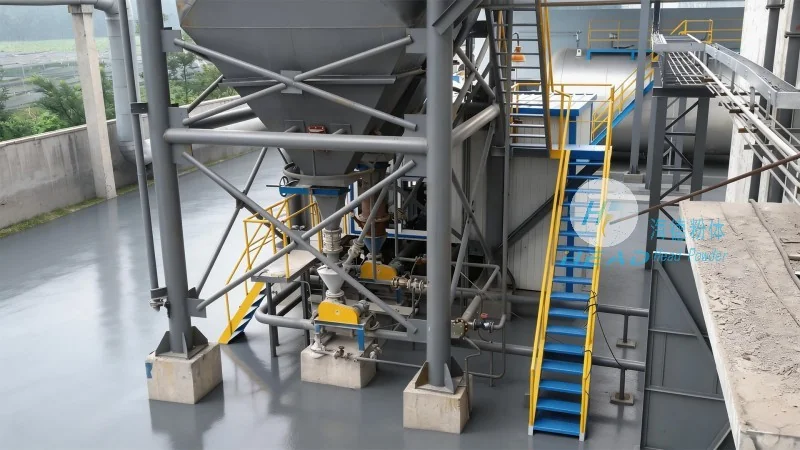
2. Pneumatic Conveying: High-Capacity and Flexible Solutions
Pneumatic conveying systems use air or gas to transport gypsum powder and dust through a pipeline network. This method is highly effective for long-distance and high-capacity applications, as it can move materials over several hundred meters with minimal loss. The main advantages of pneumatic conveying include high throughput, ability to handle fine powders without segregation, and flexibility in system design. However, it has significant drawbacks, such as higher energy consumption, the need for air filtration systems to control dust emissions, and potential for material degradation due to high air velocities. Pneumatic conveying is particularly suitable for applications requiring continuous, high-volume transport, such as in large-scale gypsum processing plants and bulk material handling facilities.
3. Belt Conveyors: Robust and Cost-Effective Solutions
Belt conveyors are another common option for gypsum powder and dust transport, especially in applications involving bulk material handling. These systems use a continuous belt that moves material along a fixed path, supported by rollers or idlers. The primary advantage of belt conveyors is their high capacity and ability to handle large volumes of material over long distances. They are also relatively low-cost to install and maintain compared to other systems. However, belt conveyors have limitations, including the risk of material spillage and the need for regular maintenance to prevent belt wear and tear. They are ideal for horizontal or slightly inclined transport and are commonly used in mining, construction, and agricultural industries.
4. Bucket Elevators: Vertical Transport Solutions
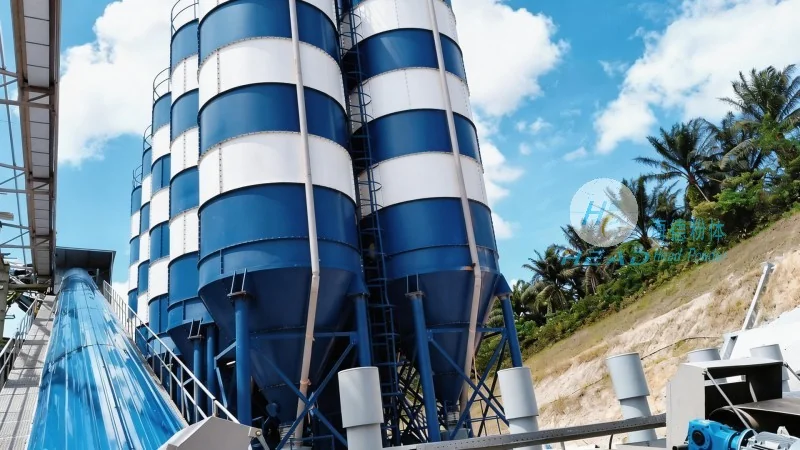
Bucket elevators are specialized conveying systems designed for vertical transport of gypsum powder and dust. These systems consist of a series of buckets attached to a chain or belt, which moves material upward in a vertical shaft. The main advantage of bucket elevators is their ability to handle vertical transport efficiently, with high capacity and minimal material degradation. They are particularly suitable for applications requiring vertical movement, such as in feed mills, cement plants, and processing facilities with multi-level operations. However, bucket elevators have limitations, including higher initial costs and the need for regular maintenance to ensure proper bucket alignment and chain tension. They are not suitable for horizontal transport and are typically used in conjunction with other conveying systems for complete material handling.
5. Comparison and Selection Criteria
When selecting a conveying method for gypsum powder and dust, several factors must be considered to ensure optimal performance. The distance and direction of material transport are critical, as different systems excel in horizontal, vertical, or mixed applications. Capacity requirements also play a significant role, as high-volume operations may require pneumatic or belt conveyors, while low-volume applications may benefit from screw conveyors. Material characteristics, such as particle size, moisture content, and flowability, influence the choice of system, as some materials may degrade in high-velocity environments. Energy consumption and maintenance costs are also important considerations, as they impact long-term operational efficiency. By evaluating these factors, industrial professionals can choose the most suitable conveying method for their specific needs.
Conclusion: Choosing the Right Conveying Method
In conclusion, the selection of a gypsum powder and dust conveying method depends on a combination of operational requirements, material characteristics, and cost considerations. Screw conveyors offer simplicity and versatility for short-distance transport, while pneumatic conveying provides high capacity and flexibility for long-distance applications. Belt conveyors are ideal for bulk material handling, and bucket elevators are essential for vertical transport. By understanding the advantages and disadvantages of each method, industrial operations can optimize their material handling processes, improve productivity, and ensure compliance with safety and environmental regulations. The choice of conveying system ultimately impacts the overall efficiency and sustainability of gypsum processing and related industries.