

Comparison of Common Dry Powder Mortar Conveying Methods: Advantages and Disadvantages
When it comes to the efficient and reliable transportation of dry powder mortar, selecting the right conveying method is crucial for construction projects. Different methods offer varying advantages and disadvantages, impacting factors such as cost, efficiency, and material handling. This article provides a detailed comparison of common dry powder mortar conveying methods, helping professionals make informed decisions for their specific applications.
Pneumatic Conveying Systems: Advantages and Limitations
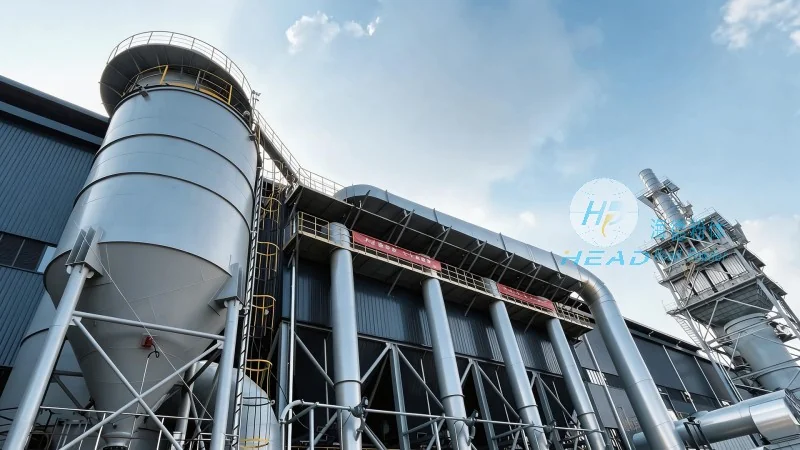
Pneumatic conveying systems use air pressure to transport dry powder mortar through a network of pipes. This method is widely used in the industry due to its ability to handle fine powders and provide a relatively dust-free environment. One of the key advantages of pneumatic conveying is its flexibility in routing, allowing for complex layouts without the need for multiple pumps. However, it also has significant drawbacks. High air pressure requirements can lead to increased energy consumption, and the system may be prone to blockages if the powder is too fine or has high moisture content. Additionally, the initial investment for a pneumatic system is generally higher compared to other methods, making it less suitable for small-scale operations.
Pipeline Pumping: Efficiency and Scalability
Pipeline pumping, often referred to as pressure pumping, utilizes positive displacement pumps to move dry powder mortar through rigid pipelines. This method is known for its high efficiency and ability to handle large volumes of material over long distances. The primary advantage of pipeline pumping is its consistent flow rate, which ensures reliable delivery to construction sites. It also allows for the integration of multiple materials or additives into the mortar mix during the conveying process. However, this method has its limitations. The equipment requires regular maintenance to prevent wear and tear from abrasive materials. Moreover, the setup can be complex and costly, especially for projects requiring extensive pipeline networks. The system is also less flexible in terms of routing changes once installed.
Screw Conveyors: Simple and Reliable

Screw conveyors use a rotating screw to move dry powder mortar along a trough. This method is straightforward and cost-effective, making it suitable for smaller-scale applications or where space is limited. The main advantage of screw conveyors is their simplicity and low maintenance requirements. They can handle a wide range of materials, including those with varying particle sizes, without the risk of blockages. However, screw conveyors have limitations in terms of conveying distance and material capacity. They are generally used for short distances and moderate volumes, and the material may experience some degradation due to friction and shear forces. This method is less effective for fine powders that are prone to caking or agglomeration.
Hybrid Systems: Combining the Best of Both Worlds
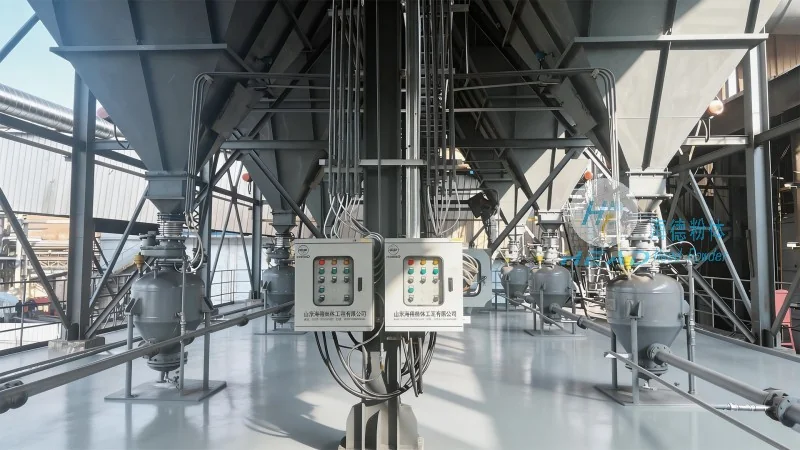
Many modern construction projects opt for hybrid conveying systems that combine elements of pneumatic and pipeline pumping. For example, a system might use a screw conveyor to transport material to a pneumatic line, or a pipeline pump to feed a pneumatic system. These hybrid approaches aim to leverage the strengths of each method while mitigating their weaknesses. The primary advantage of hybrid systems is their adaptability to diverse project requirements. They can handle varying material types and volumes while maintaining efficiency. However, the complexity of hybrid systems increases both the initial investment and the need for skilled maintenance personnel. The integration of different components requires careful planning to ensure smooth operation and avoid compatibility issues.
Choosing the Right Conveying Method: Factors to Consider
When selecting a dry powder mortar conveying method, several factors must be considered to ensure optimal performance and cost-effectiveness. The first factor is the material characteristics, such as particle size, moisture content, and abrasiveness. Fine powders or those with high moisture content may require pneumatic systems with specialized filters or moisture control measures. The second factor is the distance and volume of material to be transported. For long distances and large volumes, pipeline pumping or hybrid systems are often preferred. The third factor is the project budget and maintenance capabilities. Smaller projects with limited budgets may benefit from screw conveyors or basic pneumatic systems, while larger projects may justify the investment in more advanced systems. Finally, the site layout and available space should be evaluated to determine the most suitable routing and equipment placement.
Conclusion: Tailoring Solutions for Construction Needs
Ultimately, the choice of dry powder mortar conveying method depends on a combination of technical, economic, and operational factors. Each method has its unique advantages and limitations, and the best solution is often a tailored approach that meets the specific requirements of the project. By understanding the characteristics of different conveying systems and considering the project's constraints, construction professionals can select the most efficient and reliable method for transporting dry powder mortar. This ensures smooth operations, reduced downtime, and high-quality mortar delivery to the job site. As the construction industry continues to evolve, the importance of selecting the right conveying method will remain critical in achieving project success and maintaining competitiveness.