

Comparative Analysis of Common Lightweight Cement Delivery Methods: Advantages and Disadvantages
Lightweight cement, widely used in construction for its reduced weight and enhanced thermal insulation properties, requires efficient delivery methods to ensure optimal performance on site. Shandong HeadPowder Engineering Co., Ltd., a leading provider in the industry, specializes in delivering solutions that enhance the efficiency and effectiveness of lightweight cement applications. This article provides a comparative analysis of common lightweight cement delivery methods, examining their advantages and disadvantages to help construction professionals make informed decisions.
Overview of Lightweight Cement Delivery Methods
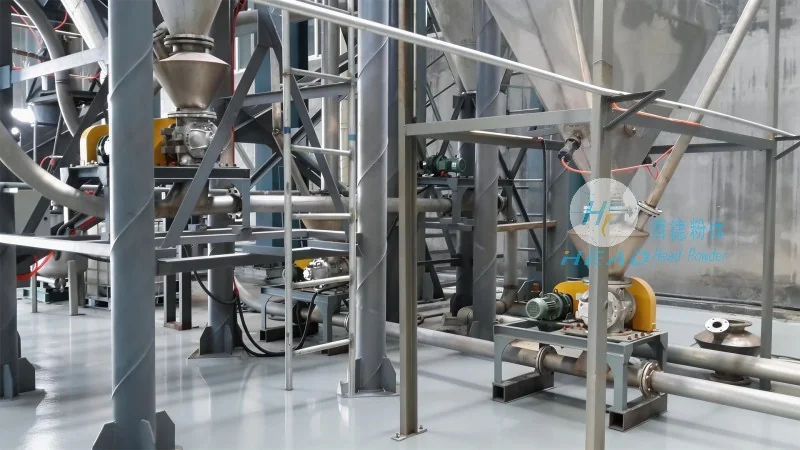
Lightweight cement, characterized by its lower density compared to conventional cement, is typically delivered through various methods tailored to project requirements. The primary delivery methods include traditional pumping systems, manual handling techniques, and specialized equipment designed for bulk transport. Each method has distinct characteristics that influence its suitability for different construction scenarios.
Method 1: Traditional Pumping Systems
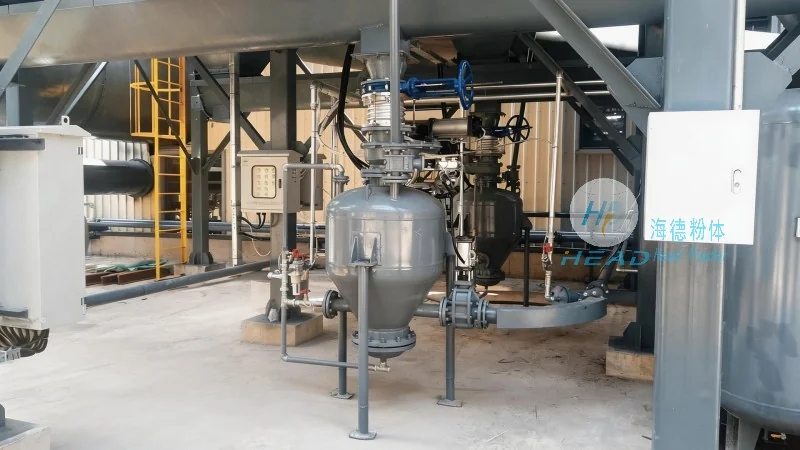
Traditional pumping systems remain a popular choice for lightweight cement delivery due to their ability to transport materials over long distances and through complex layouts. These systems typically utilize hydraulic or electric pumps that can handle the viscosity and density of lightweight cement mixtures. The primary advantage of this method is its efficiency in large-scale projects, where continuous material flow is essential. However, pumping systems may require regular maintenance and can be susceptible to clogging if the cement mixture is not properly prepared. Additionally, the initial investment and operational costs can be higher compared to other methods, making them less viable for smaller-scale applications.
Method 2: Manual Handling and Bucket Transport
For smaller construction sites or projects with limited access, manual handling and bucket transport offer a cost-effective alternative to mechanical systems. This method involves using buckets or containers to manually transport lightweight cement from storage to the work area. The main advantage of manual handling is its low initial cost and flexibility, as it does not require specialized equipment or infrastructure. However, this method is labor-intensive and can be time-consuming, especially for large volumes of material. The risk of material spillage and uneven distribution also increases with manual handling, potentially affecting the quality of the final construction.
Method 3: Specialized Bulk Transport Equipment
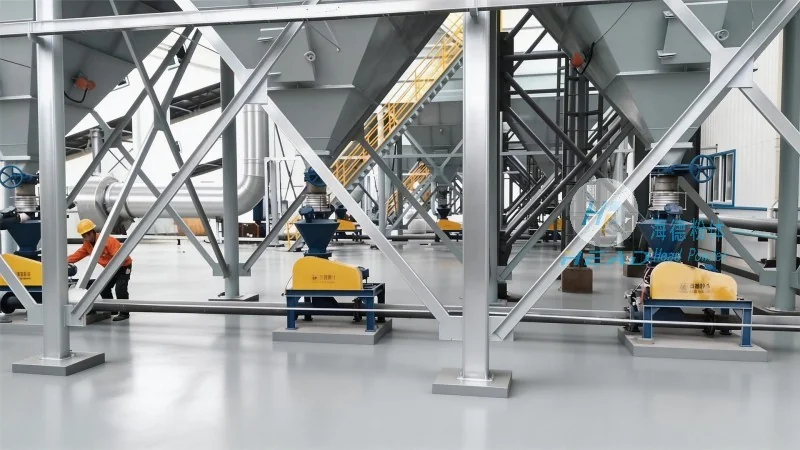
Specialized bulk transport equipment, such as hopper trucks or bulk carriers, is increasingly used for transporting lightweight cement in bulk quantities. These vehicles are designed to handle large volumes of material, reducing the number of trips required for delivery. The primary advantage of this method is its efficiency in reducing transportation time and costs, particularly for projects located far from production facilities. However, specialized equipment may not be suitable for all site conditions, as it requires adequate space and access for loading and unloading. Additionally, the cost of acquiring and maintaining such equipment can be significant, making it less accessible for smaller construction firms.
Advantages and Disadvantages Summary
When evaluating lightweight cement delivery methods, it is essential to consider the specific needs of the project, including scale, budget, and site conditions. Traditional pumping systems excel in large-scale projects but come with higher costs and maintenance requirements. Manual handling offers flexibility and low initial costs but is labor-intensive and less efficient for large volumes. Specialized bulk transport equipment provides efficiency in bulk delivery but may not be feasible for all sites and requires significant investment. Shandong HeadPowder Engineering Co., Ltd. recommends selecting a delivery method based on a thorough assessment of these factors to ensure optimal performance and cost-effectiveness.
Conclusion
Efficient delivery of lightweight cement is crucial for maintaining the quality and integrity of construction projects. By understanding the advantages and disadvantages of common delivery methods, construction professionals can choose the most suitable approach for their specific needs. Shandong HeadPowder Engineering Co., Ltd. continues to innovate and provide tailored solutions to enhance the delivery and application of lightweight cement, supporting the construction industry's commitment to sustainable and efficient building practices.