

Soybean Meal Conveying Methods: An Overview of Pneumatic Conveying Advantages and Features
When it comes to transporting soybean meal, selecting the right conveying method is crucial for efficiency, cost-effectiveness, and operational reliability. Among the various options available, pneumatic conveying stands out as a highly effective solution, especially for handling soybean meal in industrial settings. This article explores the different conveying methods for soybean meal and highlights the key advantages and features of pneumatic conveying, as presented by Shandong HeadPowder Engineering Co., Ltd., a leading provider in the field.
Understanding Soybean Meal Conveying Methods
Soybean meal, a byproduct of soybean oil extraction, is widely used in animal feed, food processing, and other industrial applications. The need to move this material from one location to another efficiently has led to the development of several conveying methods. Traditional methods include mechanical conveyors like belt conveyors, screw conveyors, and bucket elevators. However, these systems often face challenges such as material degradation, maintenance issues, and limited flexibility in handling varying flow rates. In contrast, pneumatic conveying offers a more advanced and versatile approach to transporting soybean meal.
Pneumatic Conveying: How It Works
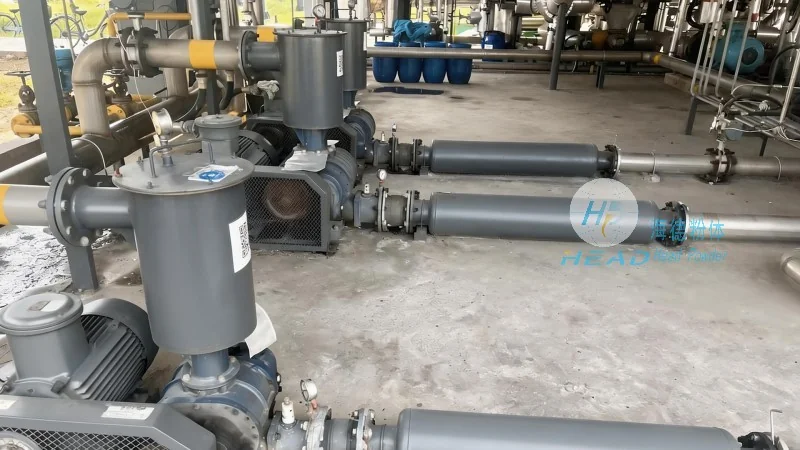
Pneumatic conveying uses air or gas to transport solid materials like soybean meal through a pipeline system. There are two main types of pneumatic conveying: pressure and vacuum systems. In pressure systems, air is forced into a container or hopper, creating pressure that pushes the material through the pipeline. Vacuum systems, on the other hand, use a vacuum to draw the material from the source into the pipeline. For soybean meal, pressure systems are more commonly used due to their ability to handle higher flow rates and longer distances without significant pressure loss.
Advantages of Pneumatic Conveying for Soybean Meal
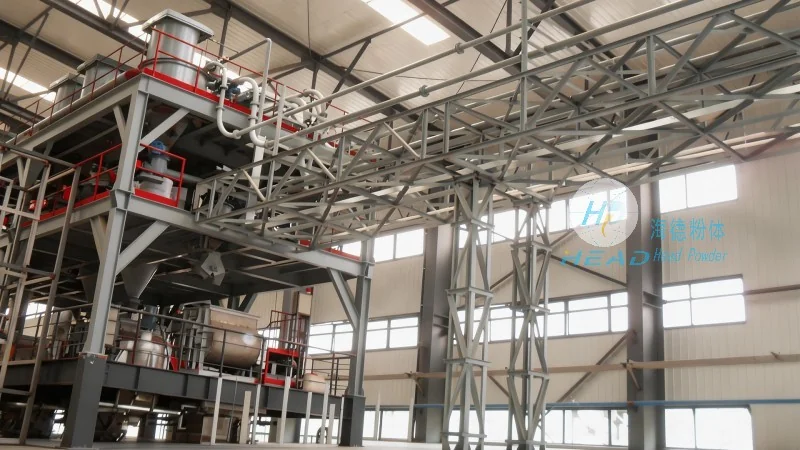
One of the primary advantages of pneumatic conveying is its ability to handle fine and powdery materials without causing degradation or segregation. Soybean meal is often a fine powder, and traditional mechanical conveyors can lead to clumping or loss of material quality. Pneumatic systems, by moving material in a controlled manner, prevent these issues and maintain the integrity of the product. Additionally, pneumatic conveying offers high throughput rates, allowing for efficient movement of large quantities of soybean meal. This is particularly beneficial in large-scale production facilities where continuous operation is essential.
Key Features of Pneumatic Conveying Systems
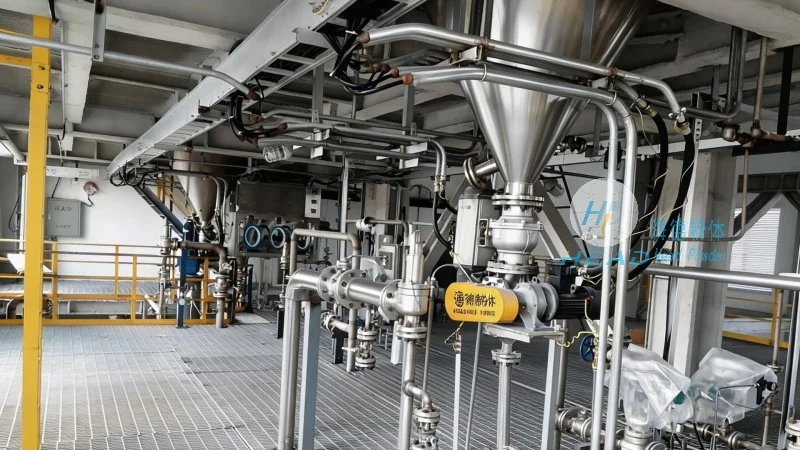
Shandong HeadPowder Engineering Co., Ltd. specializes in designing and manufacturing pneumatic conveying systems tailored to the specific needs of soybean meal handling. Their systems are equipped with advanced features that enhance performance and reliability. For instance, their systems often include adjustable air flow controls, which allow operators to optimize the conveying rate based on the material's characteristics and pipeline length. This flexibility ensures that the system operates efficiently under varying conditions. Furthermore, the use of high-quality materials in the construction of the pipelines and components ensures durability and resistance to corrosion, which is important when handling soybean meal that may contain moisture or other corrosive elements.

Customization and Scalability
Another significant advantage of pneumatic conveying systems from Shandong HeadPowder Engineering Co., Ltd. is their ability to be customized and scaled to meet the specific requirements of different applications. Whether it's a small-scale operation or a large industrial plant, their systems can be designed to handle varying flow rates and distances. This scalability ensures that the system can grow with the business, providing long-term value and investment protection. The company also offers comprehensive support, including installation, maintenance, and technical assistance, to ensure that the system operates at peak performance throughout its lifecycle.
Conclusion
In conclusion, pneumatic conveying is a superior method for transporting soybean meal compared to traditional mechanical systems. Its ability to handle fine materials, maintain product quality, and offer high throughput rates makes it an ideal choice for industrial applications. Shandong HeadPowder Engineering Co., Ltd. provides advanced pneumatic conveying solutions that are tailored to the needs of soybean meal handling, ensuring efficiency, reliability, and cost-effectiveness. By choosing pneumatic conveying, businesses can improve their operational performance and achieve better results in their soybean meal processing operations.