

What Are the Types of Hydrated Calcium Delivery Methods? An Overview of the Advantages and Features
Hydrated calcium, also known as slaked lime, is a widely used industrial material in various sectors such as construction, chemical processing, and environmental treatment. The efficient and safe delivery of this material from its source to the point of use is crucial for maintaining production efficiency and ensuring product quality. This article explores the different delivery methods for hydrated calcium, with a focus on the advantages and features of pneumatic conveying as a modern and effective solution.
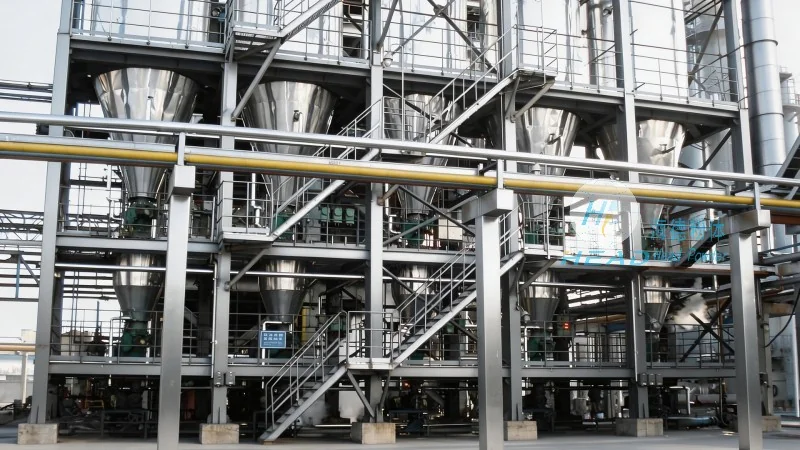
Overview of Hydrated Calcium Delivery Methods
There are several methods used to transport hydrated calcium, each with its own set of characteristics and applications. The primary delivery methods include bulk handling techniques such as belt conveyors, screw conveyors, and pneumatic conveying systems. Each method has its strengths and limitations, making the choice of delivery system dependent on factors like material properties, distance, and the required level of automation.
Pneumatic Conveying: A Modern Solution for Hydrated Calcium Transport
Pneumatic conveying, also known as air conveying, is a method that uses compressed air to transport bulk materials like hydrated calcium through a pipeline system. This technology offers several advantages over traditional mechanical conveying methods, making it an increasingly popular choice in industrial applications. The key features and benefits of pneumatic conveying for hydrated calcium are discussed below.
Advantages of Pneumatic Conveying for Hydrated Calcium
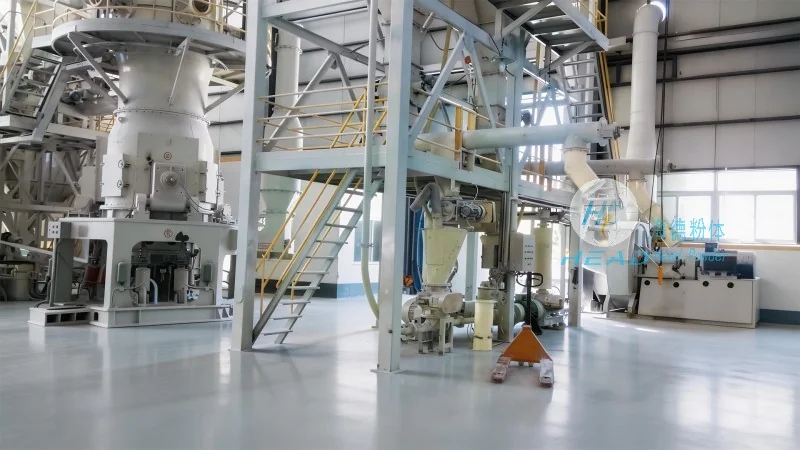
One of the most significant advantages of pneumatic conveying is its ability to handle fine and dusty materials without the need for additional equipment like hoppers or chutes. Hydrated calcium is often in a powder or granular form, which can be challenging to transport using traditional methods due to its tendency to clog or cause dust issues. Pneumatic systems effectively mitigate these problems by using air pressure to move the material through the pipeline, ensuring a smooth and continuous flow.
Another key advantage is the flexibility of pneumatic conveying systems. They can be easily integrated into existing production lines and can be adapted to different distances and layouts. This makes it possible to transport hydrated calcium from storage silos to processing equipment or from one production facility to another without the need for complex and costly infrastructure modifications.
Furthermore, pneumatic conveying systems are generally more hygienic and cleaner compared to mechanical systems. The enclosed pipeline design prevents dust from escaping into the environment, reducing the risk of contamination and improving workplace safety. This is particularly important for hydrated calcium, which is often used in food processing or pharmaceutical applications where product purity is critical.
Key Features of Pneumatic Conveying Systems for Hydrated Calcium
Modern pneumatic conveying systems for hydrated calcium are equipped with advanced features that enhance their performance and reliability. These features include:
Positive Displacement Pumps: These pumps provide consistent air pressure and flow rates, ensuring reliable material transport even with varying material conditions.
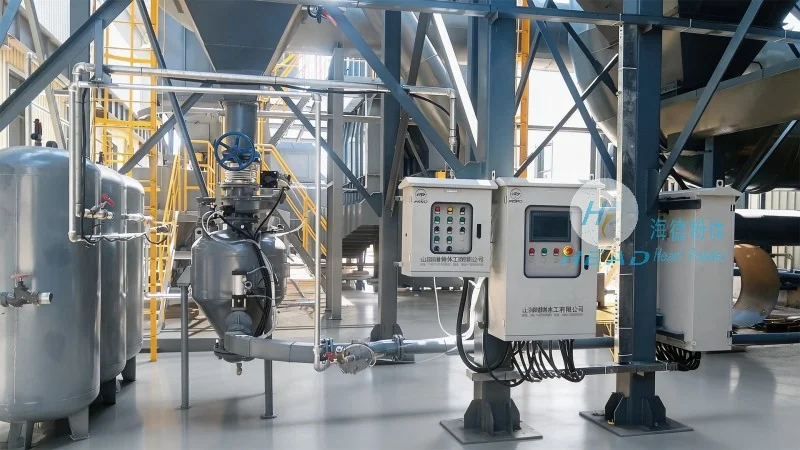
Filter and Dust Collection Systems: To maintain air quality and prevent dust accumulation, these systems are equipped with high-efficiency filters and dust collection units.
Control Panels and Automation: Advanced control systems allow for real-time monitoring and adjustment of the conveying process, optimizing energy consumption and material flow.
Material-Specific Design: Customized pipeline and equipment designs are tailored to the specific properties of hydrated calcium, ensuring optimal performance and longevity.
Application Examples and Case Studies
Pneumatic conveying systems are widely used in the transportation of hydrated calcium in various industrial settings. For example, in a cement production plant, a pneumatic system can be used to transport hydrated calcium from storage silos to the mixing and grinding units. In a chemical processing facility, it can be used to move the material from a raw material handling area to the reaction tanks. These applications demonstrate the versatility and effectiveness of pneumatic conveying in handling hydrated calcium efficiently and safely.
Conclusion
Hydrated calcium delivery methods have evolved significantly over the years, with pneumatic conveying emerging as a preferred solution for its efficiency, flexibility, and safety advantages. The use of modern pneumatic conveying systems not only improves the overall productivity of industrial processes but also ensures the quality and purity of the final product. As the demand for efficient material handling solutions continues to grow, the adoption of advanced pneumatic conveying technologies for hydrated calcium is expected to increase, driving further innovation in the field.