

Types of Grain Handling Methods: An Overview of the Advantages and Features of Pneumatic Grain Conve
Grain handling is a critical process in the agricultural and food processing industries, ensuring the efficient and safe movement of grains from storage to processing facilities. Various methods are employed for grain transport, each with its own set of characteristics and applications. This article explores the different types of grain handling methods, with a particular focus on the advantages and features of pneumatic grain conveying systems.
Introduction to Grain Handling Methods

Grain handling encompasses the collection, storage, and transportation of grains such as wheat, corn, rice, and barley. Traditional methods include mechanical conveyors like belt conveyors, screw conveyors, and bucket elevators. However, with advancements in technology, pneumatic conveying has emerged as a highly efficient and versatile solution for modern grain handling operations.
Pneumatic Grain Conveying: A Modern Solution
Pneumatic grain conveying, also known as air conveying, uses a combination of air and pressure to transport grains through a pipeline system. This method is particularly suitable for handling fine or powdery materials, as well as bulk grains, offering several key advantages over traditional mechanical systems.
Key Advantages of Pneumatic Grain Conveying
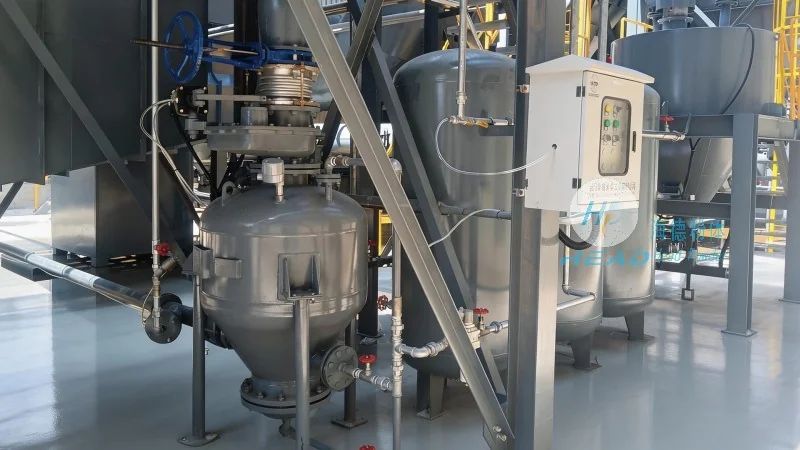
One of the primary benefits of pneumatic conveying is its high efficiency in terms of speed and capacity. The system can transport large volumes of grain over significant distances with minimal labor requirements. Unlike mechanical conveyors, which may cause grain damage through friction or impact, pneumatic systems operate gently, preserving the quality and integrity of the grain.
Another significant advantage is the cleanliness and hygiene of pneumatic conveying. The enclosed pipeline system prevents contamination from external sources, making it ideal for food-grade applications. This feature is crucial in industries where product purity and safety are paramount, such as in the production of flour, feed, and other grain-based products.
Pneumatic systems also offer flexibility in terms of layout and installation. They can be easily integrated into existing facilities or customized to fit specific operational needs. The ability to change the direction of flow or adjust the conveying speed makes them adaptable to various production processes.
Features and Technical Specifications
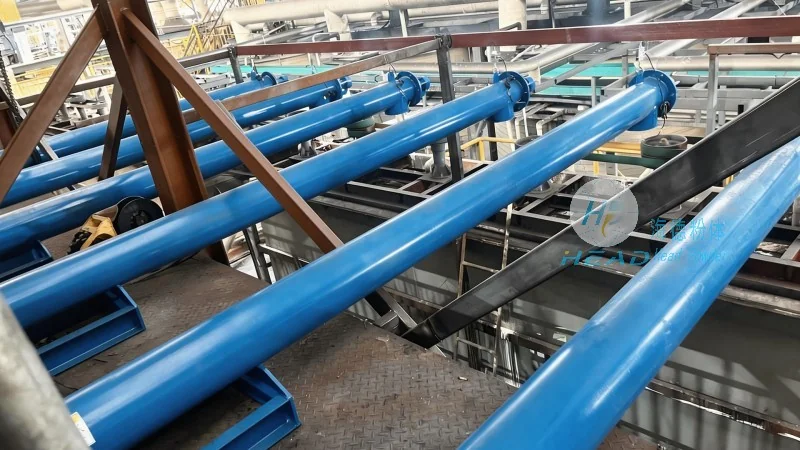
Modern pneumatic grain conveying systems are equipped with advanced features that enhance performance and reliability. These include variable speed drives, which allow for precise control of the conveying rate, and pressure sensors that monitor system performance in real-time. Additionally, the use of high-quality materials, such as stainless steel, ensures durability and resistance to corrosion, extending the lifespan of the equipment.
The system typically consists of a blower, a hopper for grain storage, and a pipeline network with appropriate fittings and valves. The blower generates the necessary air pressure to move the grain, while the hopper provides a controlled feed of material. The pipeline is designed to minimize pressure drop and ensure smooth flow, with components like bends, elbows, and filters to maintain system efficiency.
Applications in the Grain Industry
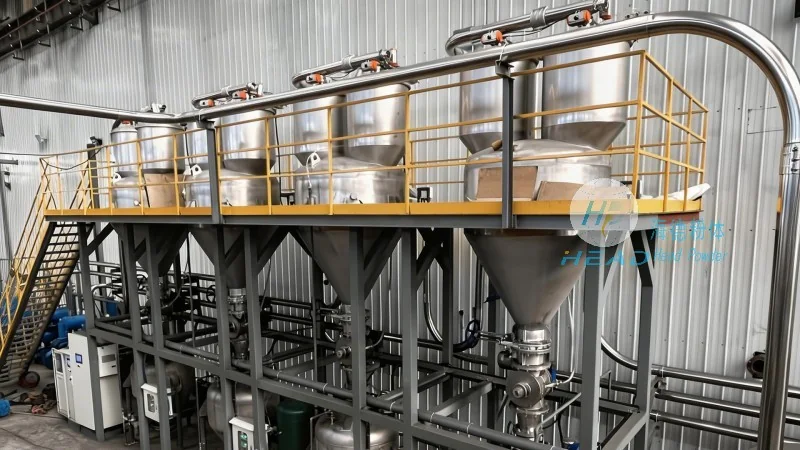
Pneumatic grain conveying is widely used in various applications within the grain industry. It is commonly employed in flour mills for transporting raw wheat to grinding equipment, in feed mills for mixing and distributing feed ingredients, and in storage facilities for transferring grain between silos. The versatility of the system makes it suitable for both small-scale and large-scale operations, catering to the diverse needs of the agricultural sector.
Conclusion
While traditional grain handling methods have their place, pneumatic conveying offers a superior alternative in terms of efficiency, cleanliness, and flexibility. As the demand for high-quality grain products continues to grow, the adoption of advanced pneumatic systems is becoming increasingly important. Companies like Shandong HeadPowder Engineering Co., Ltd., based in China, specialize in designing and manufacturing such systems, providing tailored solutions to meet the specific requirements of their clients in the grain handling industry.