Công ty TNHH Kỹ thuật Headpowder Sơn Đông chuyên vận chuyển khí nén bột và hạt. Nhờ thế mạnh hợp tác doanh nghiệp‑trường‑viện, chúng tôi cung cấp giải pháp vận chuyển kín, không bụi, độ chính xác cao.
When it comes to transporting solid powders, selecting the right conveying method is crucial for efficiency, cost-effectiveness, and product integrity. Various methods exist, each with its own set of applications and limitations. This article explores the different solid powder conveying methods and highlights the advantages and features of pneumatic conveying, a popular choice in many industries.
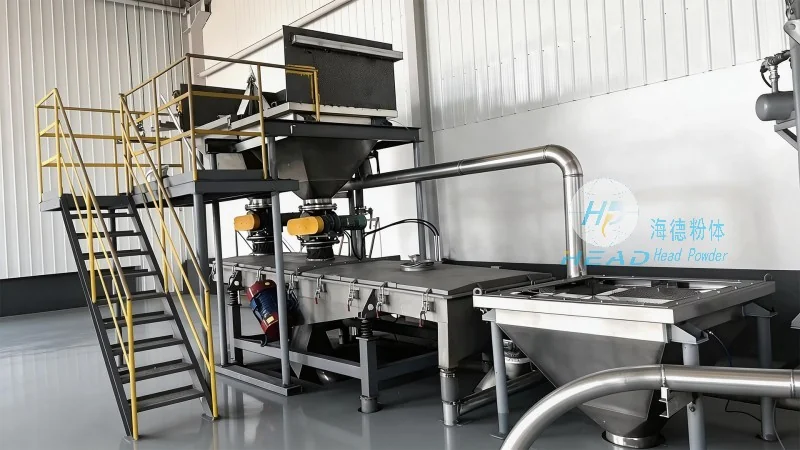
Common Solid Powder Conveying Methods
Before delving into the specifics of pneumatic conveying, it's essential to understand the primary methods used for solid powder transport. These include mechanical conveying systems such as belt conveyors, screw conveyors, and bucket elevators, as well as pneumatic systems that use air or other gases to move materials. Each method has its strengths and is suitable for different scenarios, from bulk material handling to precise, low-volume transport.
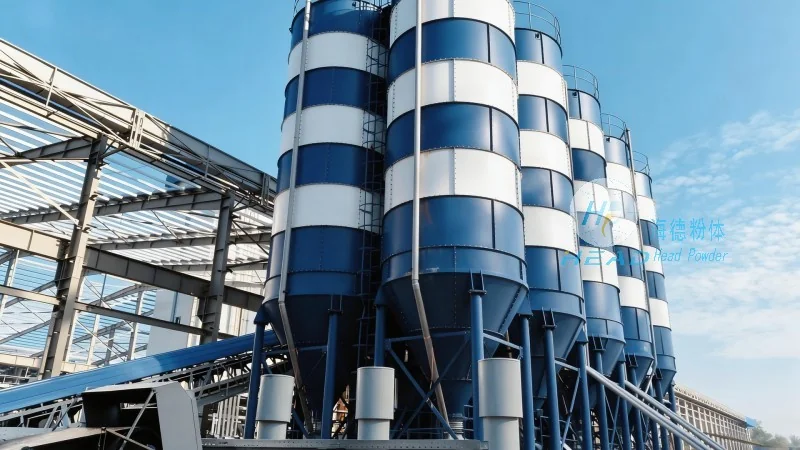
Pneumatic Conveying: A Comprehensive Overview
Pneumatic conveying, also known as air conveying, is a technique that uses pressurized or vacuum air to transport solid powders through a pipeline. This method is widely used in industries like pharmaceuticals, food processing, chemicals, and manufacturing due to its ability to handle a wide range of materials and its flexibility in system design. The process involves feeding the powder into a hopper, which then releases it into a pipeline where it is carried by the moving air stream. The system can operate under pressure (positive pressure) or vacuum (negative pressure), depending on the application requirements.
Key Advantages of Pneumatic Conveying for Solid Powders
One of the most significant advantages of pneumatic conveying is its ability to handle delicate and sensitive materials without causing degradation or contamination. Unlike mechanical systems that may generate friction and heat, pneumatic systems minimize product damage, making them ideal for transporting heat-sensitive or fragile powders. Additionally, pneumatic conveying offers high flexibility in system layout, allowing for complex routing and integration with other processing equipment. This adaptability makes it suitable for both new installations and retrofitting existing facilities.
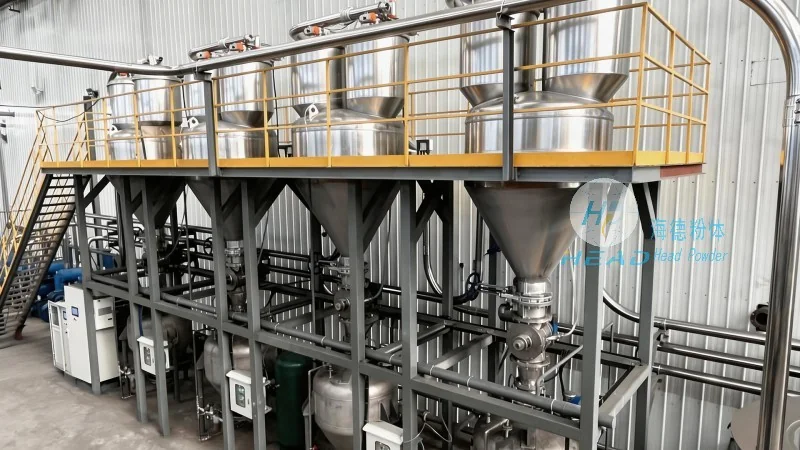
Key Features and Technical Considerations
Several key features define the effectiveness of pneumatic conveying systems. The choice between positive and negative pressure systems depends on factors such as material characteristics, distance to be conveyed, and system complexity. Positive pressure systems use compressed air to push the material through the pipeline, while negative pressure systems use vacuum to pull the material. The design of the system, including the size of the pipeline, the type of air nozzles, and the material of construction, plays a critical role in ensuring efficient and reliable operation. Proper maintenance and monitoring of the system are also essential to prevent issues like blockages or air leaks, which can impact performance and product quality.
Applications in Diverse Industries
Pneumatic conveying is employed in a variety of industries, each with unique requirements. In the pharmaceutical industry, for example, it is used to transport active pharmaceutical ingredients (APIs) and excipients with strict purity and contamination control. In food processing, it handles powders like cocoa, flour, and sugar, ensuring hygienic and efficient transport. The chemical industry utilizes pneumatic conveying for handling reactive or hazardous powders, while manufacturing sectors use it for transporting raw materials and finished products. The versatility of pneumatic conveying makes it a preferred choice across these and other sectors.
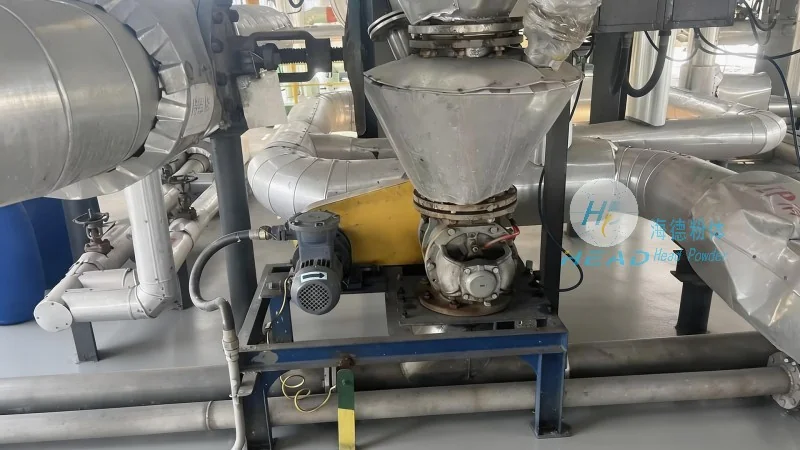
Conclusion and Company Introduction
As the demand for efficient and reliable solid powder transport solutions grows, pneumatic conveying continues to be a leading technology. Its ability to handle diverse materials, maintain product integrity, and adapt to various industrial needs makes it an attractive option for many companies. Shandong HeadPowder Engineering Co., Ltd., a company specializing in engineering solutions for material handling, offers expertise in designing and implementing pneumatic conveying systems tailored to specific industry requirements. With a focus on quality and innovation, HeadPowder provides comprehensive services, from system design and installation to maintenance and support, ensuring that clients achieve optimal performance and cost savings in their material handling operations. Based in Shandong, China, HeadPowder leverages its experience and technical knowledge to deliver solutions that meet the evolving needs of the industry.

 Shandong Headpowder Engineering Co., Ltd.
 156-6277-7102(Quản lý Trương)
  0531-83386006
  Thành phố Tế Nam, Tỉnh Sơn Đông, Trung Quốc
Điện thoại
WeChatTư vấn
Lên đầu