

Common Bean Powder Conveying Methods: An Introduction to Bean Powder Pneumatic Conveying
When it comes to handling and transporting bean powder, selecting the right conveying method is crucial for efficiency, product integrity, and operational safety. Bean powder, with its fine particles and potential for dust generation, requires specialized equipment to ensure smooth and reliable movement. This article explores common bean powder conveying methods, with a focus on the benefits and applications of pneumatic conveying systems.
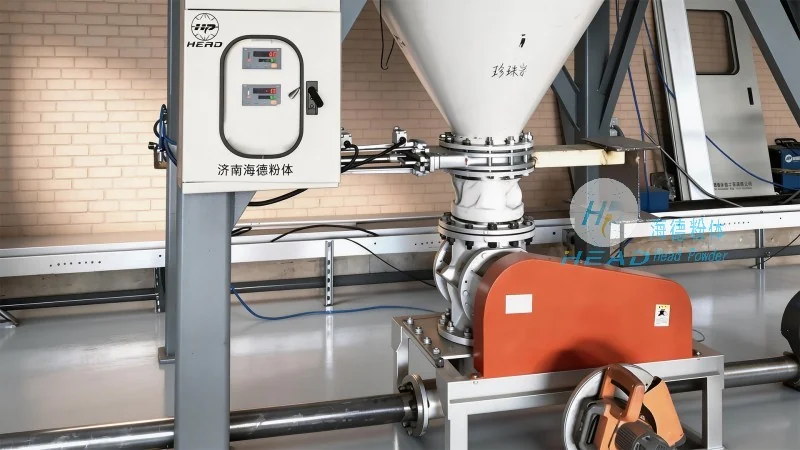
Overview of Common Conveying Methods for Bean Powder
Traditional conveying systems for bulk materials, such as bean powder, often include mechanical solutions like screw conveyors, belt conveyors, and bucket elevators. These methods are widely used in various industries due to their simplicity and cost-effectiveness. However, they may present challenges when dealing with fine, dusty powders. For instance, screw conveyors can cause particle degradation and clogging, while belt conveyors may require regular cleaning to prevent dust accumulation. These limitations highlight the need for more advanced and specialized solutions like pneumatic conveying.
The Advantages of Pneumatic Conveying for Bean Powder

Pneumatic conveying, also known as air conveying, offers several advantages that make it an ideal choice for bean powder transport. One of the key benefits is the ability to handle fine powders without direct contact, which helps maintain product purity and prevents contamination. Unlike mechanical systems that rely on physical contact, pneumatic conveyors use air pressure to move material, reducing the risk of particle breakage or degradation. Additionally, pneumatic systems are highly flexible, allowing for vertical, horizontal, or mixed-direction transport, making them suitable for complex processing layouts. They also provide excellent dust control, as the enclosed system captures and contains dust, improving workplace safety and environmental compliance.
How Pneumatic Conveying Works
There are two primary types of pneumatic conveying systems: positive pressure and negative pressure. Positive pressure systems use a blower or compressor to generate air pressure that pushes the material through a pipeline. The material is carried by the air stream, often in a dilute-phase flow where particles are suspended in the air. Negative pressure systems, on the other hand, use a vacuum to draw material from a hopper or storage bin into the conveying line. Both systems can be customized to handle different particle sizes and flow rates, ensuring optimal performance for bean powder applications.

Applications of Pneumatic Conveying in Bean Powder Processing
Pneumatic conveying is widely used in the processing of bean powder for various applications. In food processing facilities, it is commonly employed to transport bean powder from storage silos to mixing and blending equipment. The enclosed system ensures that the powder remains clean and free from external contaminants, which is critical for food safety standards. In industrial settings, pneumatic conveyors are used to move bean powder to packaging lines, where it is filled into bags or containers. The ability to handle large volumes efficiently makes pneumatic systems ideal for high-throughput operations. Furthermore, pneumatic conveying can be integrated with other processing equipment, such as mills and classifiers, to create a seamless material flow from raw bean to finished powder products.
About HeadPowder: Your Trusted Partner for Bean Powder Conveying Solutions
HeadPowder, or Shandong HeadPowder Engineering Co., Ltd., is a leading provider of specialized conveying solutions for bulk materials, including bean powder. With operations based in Shandong, China, the company has extensive experience in designing, manufacturing, and installing pneumatic conveying systems tailored to the unique needs of food and industrial processing industries. HeadPowder’s team of engineers and technicians works closely with clients to understand their specific requirements, from material characteristics to operational constraints, ensuring that the chosen conveying system maximizes efficiency and minimizes downtime. The company’s commitment to quality and innovation has made it a trusted partner for businesses seeking reliable and effective bean powder transport solutions. Whether you need a new system installation or retrofitting of existing equipment, HeadPowder offers comprehensive services to meet your conveying needs.