

Common Resin Conveying Methods: An Introduction to Resin Pneumatic Conveying
Resin conveying is a critical process in various industrial applications, particularly in the manufacturing and processing of plastic materials. The efficient and reliable transport of resin from storage to processing equipment is essential for maintaining production efficiency and product quality. Different conveying methods are employed based on the specific requirements of the resin type, plant layout, and operational conditions. This article provides an overview of common resin conveying methods, with a particular focus on resin pneumatic conveying, a widely used technique for handling resin materials.
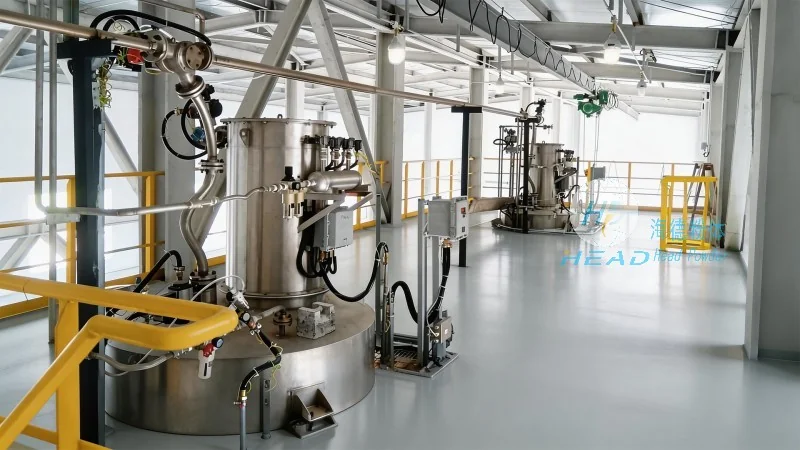
Overview of Resin Conveying Methods
Resin conveying systems are designed to move resin powders or granules from storage silos, hoppers, or bulk containers to processing units such as mixers, extruders, or injection molding machines. The choice of conveying method depends on factors like the resin's physical properties (e.g., particle size, moisture content, and flowability), the distance and height of the transport, and the desired level of automation. Common resin conveying methods include gravity flow, mechanical conveying (like screw conveyors and belt conveyors), and pneumatic conveying. Each method has its advantages and limitations, making it suitable for different industrial scenarios.
Gravity Flow Conveying
Gravity flow, also known as hopper discharge, is a simple and cost-effective method for transporting resin when the storage and processing equipment are at different elevations. Resin is stored in a hopper or silo at a higher level, and due to gravity, it flows into a lower-level conveyor or processing unit. This method is ideal for low to medium flow rates and when the distance between the storage and processing areas is short. However, it is limited by the need for a sufficient vertical drop and may not be suitable for long horizontal distances or when the resin has poor flowability. The system typically includes a hopper with a discharge valve or gate to control the flow rate, ensuring a steady and controlled discharge of resin.
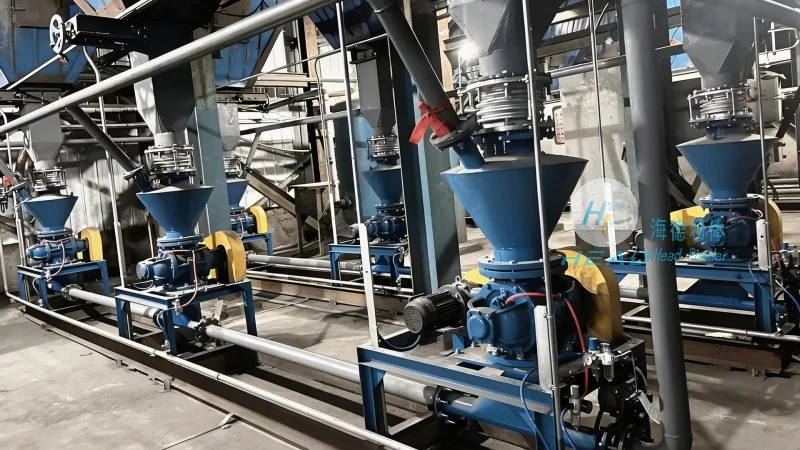
Mechanical Conveying Systems
Mechanical conveying systems utilize mechanical components to move resin. Screw conveyors, also known as augers, are widely used for horizontal or slightly inclined transport of resin. They consist of a rotating screw inside a tube, which pushes the resin forward. Screw conveyors are suitable for a wide range of resin types and can handle both dry and slightly moist resin. However, they may experience issues with clogging, especially with resin that has high moisture content or is prone to agglomeration. Belt conveyors are another mechanical option, using a moving belt to transport resin over a series of rollers. These systems are effective for longer horizontal distances and can handle larger quantities of resin. Mechanical conveying systems are generally more robust and less prone to air contamination compared to pneumatic systems, making them a reliable choice for many industrial applications.
Resin Pneumatic Conveying: The Preferred Method for Many Industries
Resin pneumatic conveying, or air-assisted conveying, is a method that uses compressed air to transport resin particles through a pipeline. This technique is particularly advantageous for handling fine or powdery resin, as it can transport materials over long distances and at varying elevations without the need for mechanical components. The system typically consists of a hopper, a venturi or rotary airlock feeder, a pipeline, and a receiver or processing unit. The resin is fed into the pipeline using a feeder, and compressed air is introduced to create a low-pressure zone that draws the resin particles along with the air stream. The air and resin mixture then travels through the pipeline to the destination, where the air is separated from the resin, often using a cyclone or filter, and the resin is collected in a hopper or directly into the processing equipment.
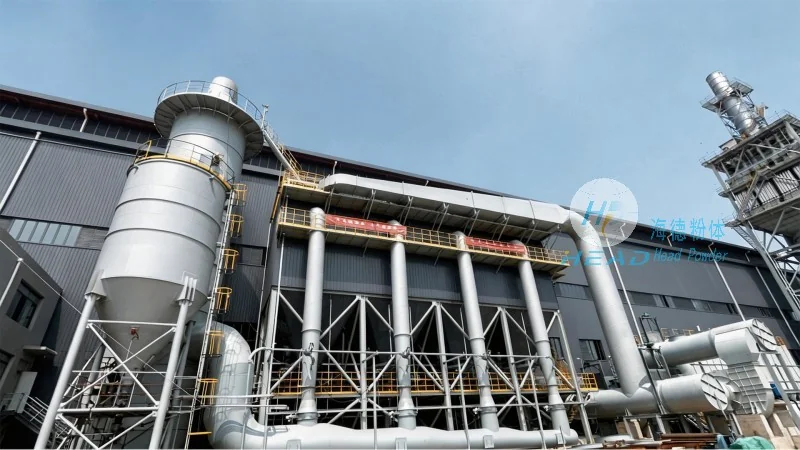
Advantages of Resin Pneumatic Conveying
Resin pneumatic conveying offers several key advantages that make it a preferred choice for many industries. Firstly, it provides excellent control over the flow rate and can handle varying resin loads without the need for additional mechanical adjustments. This results in a more consistent and reliable transport process. Secondly, pneumatic systems can transport resin over long distances and at different elevations, making them suitable for complex plant layouts. The ability to handle fine or powdery resin without clogging is another significant advantage, as the air flow helps prevent agglomeration and ensures smooth transport. Additionally, pneumatic conveying systems are generally more compact and require less floor space compared to mechanical systems, which is beneficial for plants with limited space. Finally, the system can be easily integrated with other processing equipment, such as mixers or extruders, allowing for a seamless flow of resin from storage to processing.
Applications of Resin Pneumatic Conveying
Resin pneumatic conveying is widely used in various industries, including plastics manufacturing, pharmaceuticals, and food processing. In the plastics industry, it is commonly used to transport resin from storage silos to extruders or injection molding machines. The ability to handle fine resin powders and transport them over long distances makes it ideal for large-scale production facilities. In pharmaceutical applications, pneumatic conveying is preferred for its ability to maintain a clean and dust-free environment, as it prevents contamination and ensures product purity. The system can also be designed to meet stringent hygiene standards, making it suitable for handling sensitive materials. In the food industry, pneumatic conveying is used to transport resin-based ingredients or additives, ensuring a hygienic and efficient transport process.
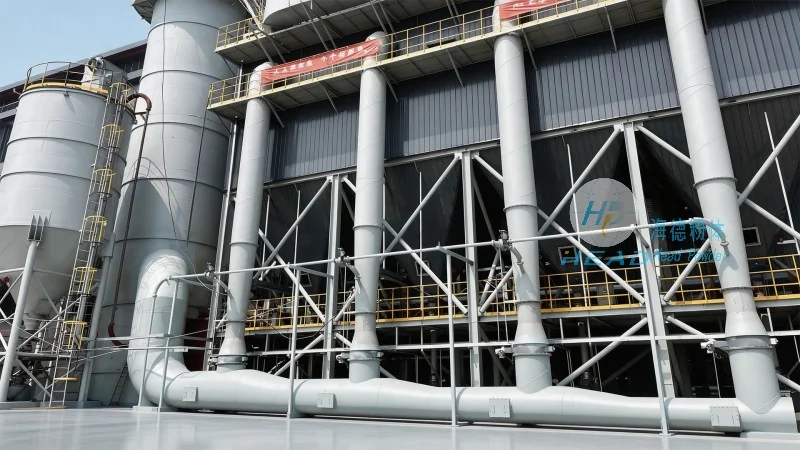
Key Considerations for Resin Pneumatic Conveying Systems
When implementing a resin pneumatic conveying system, several factors need to be considered to ensure optimal performance and efficiency. The first consideration is the selection of the appropriate feeder. Rotary airlock feeders are commonly used for fine resin powders, as they provide a consistent flow rate and prevent air leakage. Venturi feeders are another option, which use the pressure drop in the pipeline to draw resin into the air stream. The choice of feeder depends on the resin's properties and the required flow rate. The second consideration is the design of the pipeline. The pipeline should be sized appropriately to handle the resin flow rate and air velocity, ensuring that the air-resin mixture flows smoothly without causing excessive pressure drops or clogging. The use of appropriate fittings and elbows is also crucial to minimize pressure losses and maintain the efficiency of the system. The third consideration is the air system, including the compressor and air filtration. The compressor must provide sufficient pressure and volume to maintain the required air velocity in the pipeline. Air filtration is essential to remove contaminants from the air, preventing them from entering the resin and affecting product quality. Finally, the system should be equipped with proper controls and monitoring devices to ensure safe and efficient operation.
Conclusion
Resin conveying is a vital process in many industrial applications, and the choice of conveying method significantly impacts production efficiency and product quality. While gravity flow and mechanical conveying systems have their uses, resin pneumatic conveying stands out as a versatile and efficient solution for handling resin materials. The ability to transport fine or powdery resin over long distances, at varying elevations, and with minimal mechanical components makes it a preferred choice for many industries. Companies like Shandong HeadPowder Engineering Co., Ltd., based in China, specialize in designing and manufacturing high-quality resin conveying systems, including pneumatic conveying solutions, to meet the diverse needs of their clients. By understanding the different conveying methods and their advantages, industrial facilities can select the most suitable system to optimize their resin handling processes and enhance overall operational performance.