

Common Wheat Bran Conveying Methods: An Introduction to Wheat Bran Pneumatic Conveying
Wheat bran, a byproduct of the milling process, is widely utilized in the food industry as a nutritional supplement and ingredient in various products. Efficient and reliable conveying of wheat bran is crucial for maintaining product quality and operational efficiency in processing facilities. This article explores common wheat bran conveying methods, with a focus on the advantages and applications of pneumatic conveying systems.
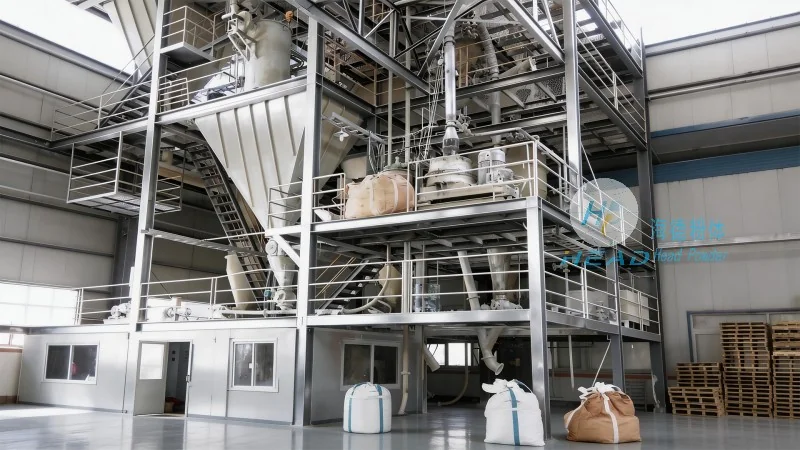
Traditional Conveying Methods for Wheat Bran
Historically, wheat bran has been conveyed using traditional methods such as gravity flow, mechanical screw conveyors, and belt conveyors. Gravity flow systems rely on the natural slope of the bran to move it from one point to another, which is suitable for short distances and low volumes. However, these systems often suffer from material buildup, blockages, and the need for regular maintenance. Mechanical screw conveyors are widely used for bulk material handling but can be prone to wear and tear, especially when dealing with abrasive or fibrous materials like wheat bran. Belt conveyors offer a more flexible solution but may require additional space and are less effective for fine or dusty materials.
Pneumatic Conveying: The Modern Solution for Wheat Bran Transport
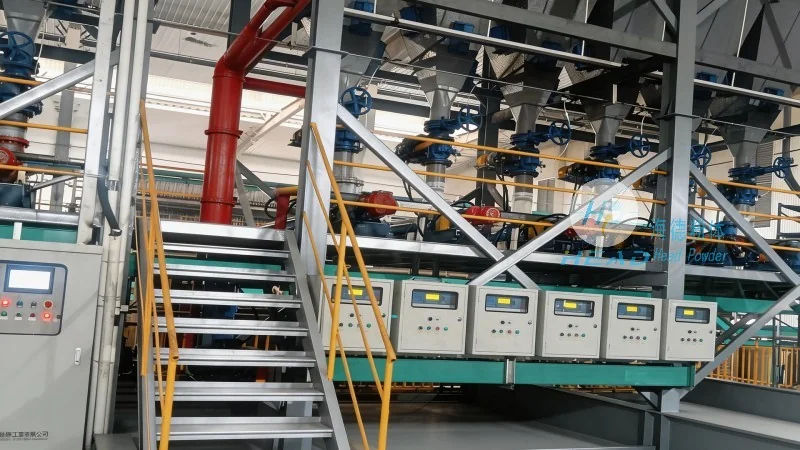
Pneumatic conveying has emerged as a preferred method for transporting wheat bran due to its ability to handle fine powders and granular materials efficiently. Unlike traditional systems, pneumatic conveyors use air pressure to move material through a pipeline, eliminating the need for mechanical components that can cause contamination or wear. There are two main types of pneumatic conveying systems: positive pressure and negative pressure. Positive pressure systems force air and material through the pipeline using a blower or compressor, while negative pressure systems create a vacuum to draw material into the system. Both types offer advantages in terms of flexibility, scalability, and reduced maintenance compared to mechanical alternatives.
Key Features of Wheat Bran Pneumatic Conveying Systems
Wheat bran pneumatic conveying systems are designed to handle the unique characteristics of bran, including its fine particle size and potential for dust generation. Key features include: high efficiency in material transport, minimal product degradation due to gentle handling, compact design that saves space in processing facilities, and hygienic construction to meet food industry standards. These systems can be customized to suit specific operational requirements, such as varying flow rates, distances, and material properties. For example, some systems use flexible hoses for flexible routing, while others employ rigid pipelines for high-pressure applications.
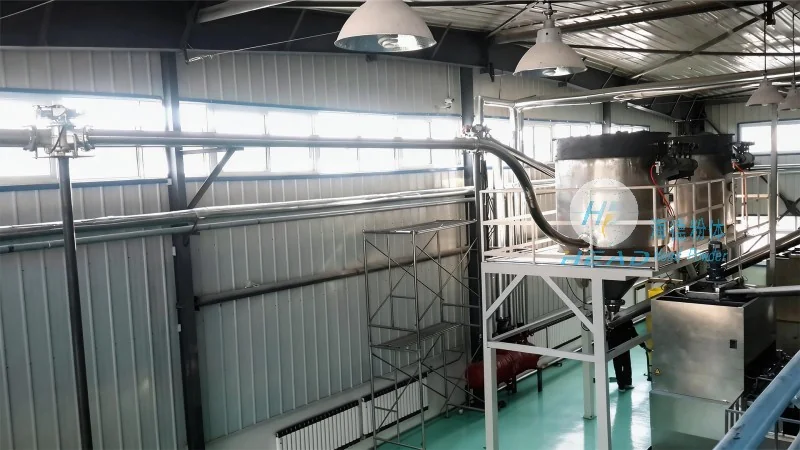
HeadPowder Engineering's Expertise in Wheat Bran Conveying Solutions
Shandong HeadPowder Engineering Co., Ltd., a leading provider of industrial conveying solutions, specializes in designing and manufacturing customized pneumatic conveying systems for wheat bran and other bulk materials. With years of experience in the industry, HeadPowder understands the unique challenges of handling wheat bran, including its tendency to clump or create dust. The company's engineers work closely with clients to assess their specific needs, from initial material analysis to final system installation and maintenance. HeadPowder's solutions are built with high-quality materials, such as stainless steel and food-grade components, ensuring durability and compliance with industry regulations. The company also offers ongoing support and technical assistance to ensure optimal performance and longevity of the conveying systems.
Conclusion: Choosing the Right Conveying Method for Wheat Bran
When selecting a conveying method for wheat bran, it is essential to consider factors such as material properties, distance, volume, and operational requirements. While traditional methods like gravity and mechanical conveyors have their place, pneumatic conveying offers significant advantages in terms of efficiency, flexibility, and product protection. For facilities looking to improve their processing capabilities and maintain product quality, pneumatic conveying systems are a reliable and effective choice. With expertise in the field, companies like Shandong HeadPowder Engineering Co., Ltd. can provide tailored solutions that meet the specific needs of their clients, ensuring smooth and efficient wheat bran transport throughout the production process.