

Common Perlite Conveying Methods: An Overview of Perlite Pneumatic Conveying
Perlite, a lightweight, volcanic glass material widely used in horticulture, construction, and industrial applications, requires efficient and reliable conveying systems to move it from storage to processing or end-use locations. Among the various methods available for transporting perlite, pneumatic conveying stands out as a popular choice due to its flexibility, efficiency, and ability to handle fine powders like perlite. This article explores common perlite conveying methods, with a focus on the advantages and applications of perlite pneumatic conveying.
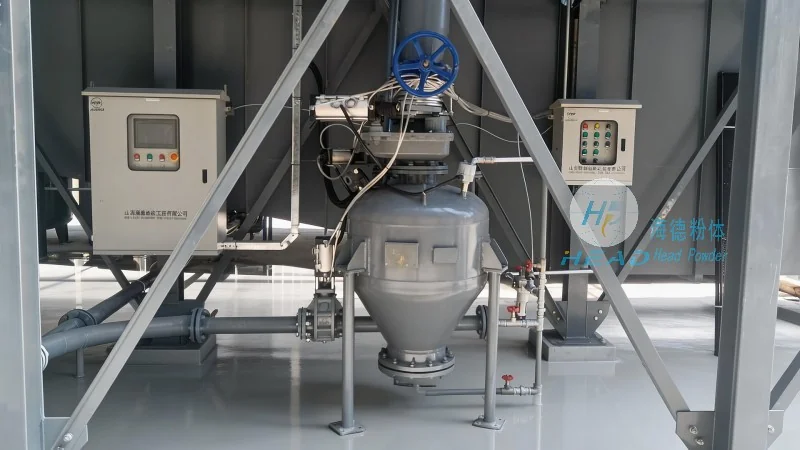
Introduction to Perlite Conveying Systems
Efficient material handling is critical in industries that rely on perlite, as the material’s light weight and fine particle size can pose challenges for traditional bulk handling methods. Conveying systems must be designed to minimize material degradation, prevent dust emissions, and ensure consistent flow rates. The choice of conveying method depends on factors such as the material’s properties, the distance to be transported, the required flow rate, and the environment where the system will operate. Common perlite conveying methods include mechanical conveying (e.g., belt conveyors, screw conveyors), pneumatic conveying, and hydraulic conveying. Each method has its own set of advantages and limitations, making the selection process crucial for optimizing operational efficiency.
Types of Perlite Conveying Methods
1. Mechanical Conveying: Mechanical systems use mechanical components like belts, screws, or buckets to move perlite. Belt conveyors are ideal for horizontal or slight incline transport, while screw conveyors are suitable for vertical or inclined movement. These systems are generally low-cost and easy to install but may struggle with fine powders, as they can cause material degradation and increased dust generation. Mechanical conveyors are often used in applications where the material is not extremely fine or where the transport distance is short.
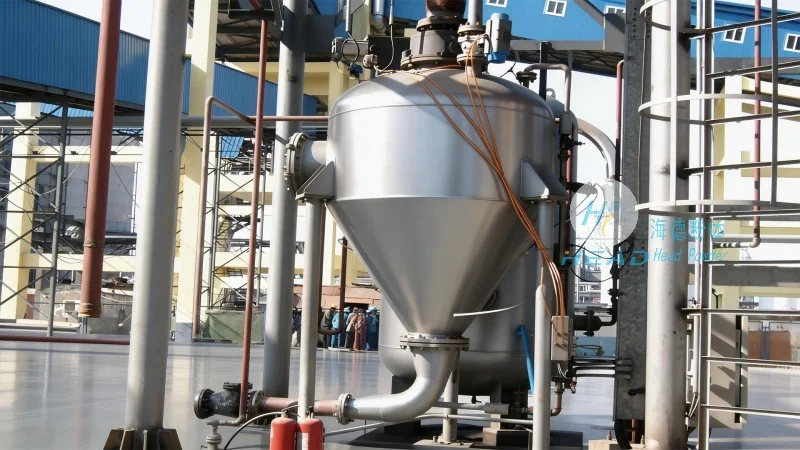
2. Pneumatic Conveying: Pneumatic systems use air or other gases to transport perlite particles through a pipeline. This method is particularly effective for fine powders like perlite, as it minimizes material handling and reduces the risk of dust exposure. Pneumatic conveying can be further categorized into pressure and vacuum systems. Pressure systems use compressed air to push the material through the pipeline, while vacuum systems use a vacuum to pull the material. The choice between pressure and vacuum depends on the distance to be transported and the material’s properties. Pneumatic conveying offers high flexibility, as it can handle both short and long distances, and it can be integrated with other processing equipment.
3. Hydraulic Conveying: Hydraulic systems use water or other liquids to transport perlite. This method is typically used for very fine powders or when the material needs to be mixed with a liquid. Hydraulic conveying is less common for perlite due to the potential for material degradation and the need for additional equipment to separate the material from the liquid. However, it can be effective in specific applications where other methods are not suitable.
Advantages of Perlite Pneumatic Conveying
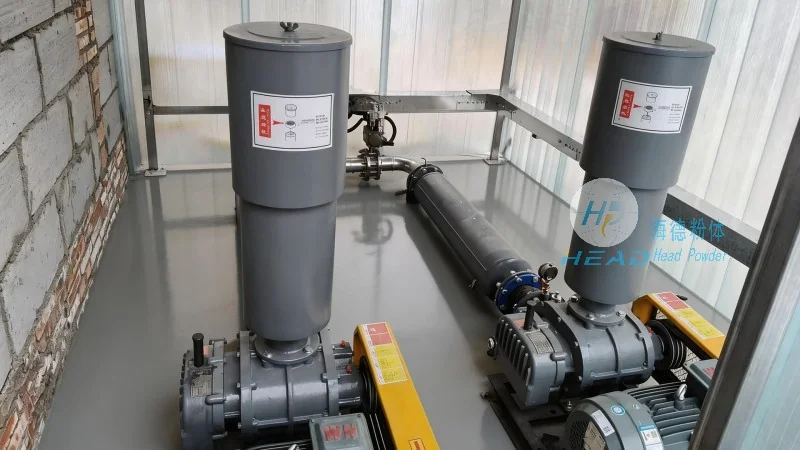
Perlite pneumatic conveying offers several advantages over other methods, making it a preferred choice for many industries. One of the key benefits is its ability to handle fine powders without causing degradation or dust. The enclosed pipeline system prevents dust from escaping into the environment, reducing health and safety risks for workers. Additionally, pneumatic conveying systems can be designed to operate at high flow rates, allowing for efficient material transport over long distances. The flexibility of pneumatic systems allows for easy integration with other processing equipment, such as mixers or dryers, enabling a seamless workflow. Another advantage is the low maintenance required compared to mechanical systems, as there are fewer moving parts that can wear out or break.
Applications of Perlite Pneumatic Conveying
Perlite pneumatic conveying is widely used in various industries due to its versatility. In the horticulture industry, it is used to transport perlite to nurseries and greenhouses for soil amendment. In construction, it is used to transport perlite to building sites for lightweight concrete production. In industrial applications, it is used in manufacturing processes where perlite is a raw material. The system can also be used in research and development settings to transport perlite for testing and analysis. The ability to transport perlite in a controlled environment makes it ideal for applications where dust control is critical, such as in food processing or pharmaceutical manufacturing.
Conclusion
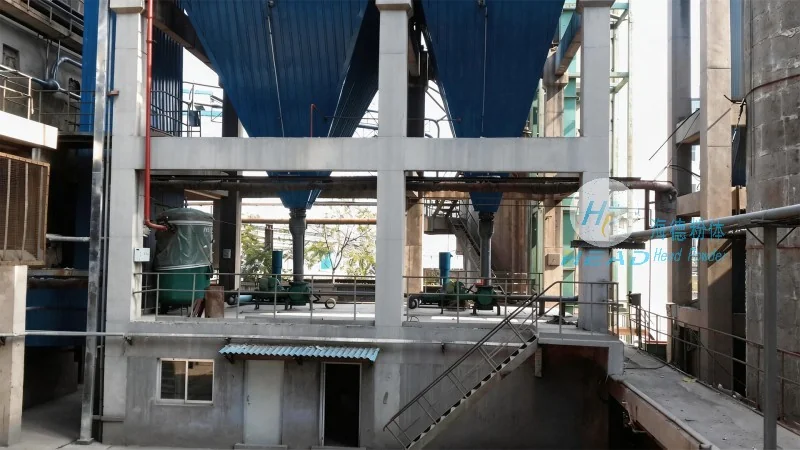
Choosing the right perlite conveying method is essential for optimizing operational efficiency and ensuring the quality of the material. While mechanical and hydraulic systems have their uses, pneumatic conveying stands out as a superior option for fine powders like perlite due to its efficiency, flexibility, and ability to minimize dust exposure. Companies like Shandong HeadPowder Engineering Co., Ltd., a leading manufacturer of material handling equipment, offer specialized pneumatic conveying systems tailored to the needs of perlite processing. With their expertise in designing and manufacturing efficient conveying solutions, they help industries achieve reliable and cost-effective material transport. By understanding the advantages and applications of different conveying methods, businesses can make informed decisions to improve their material handling processes and enhance overall productivity.