

Common Lightweight Cement Delivery Methods: An Introduction to Pneumatic Conveying of Lightweight Ce
Lightweight cement, widely utilized in construction and industrial sectors due to its superior thermal insulation properties and reduced weight, necessitates efficient and reliable delivery systems to preserve material integrity and ensure consistent performance. The selection of an appropriate delivery method directly impacts operational efficiency, cost-effectiveness, and overall project success. This article explores common lightweight cement delivery methods, with a focus on the advantages and applications of pneumatic conveying systems, as presented by Shandong HeadPowder Engineering Co., Ltd., a leading provider headquartered in China.
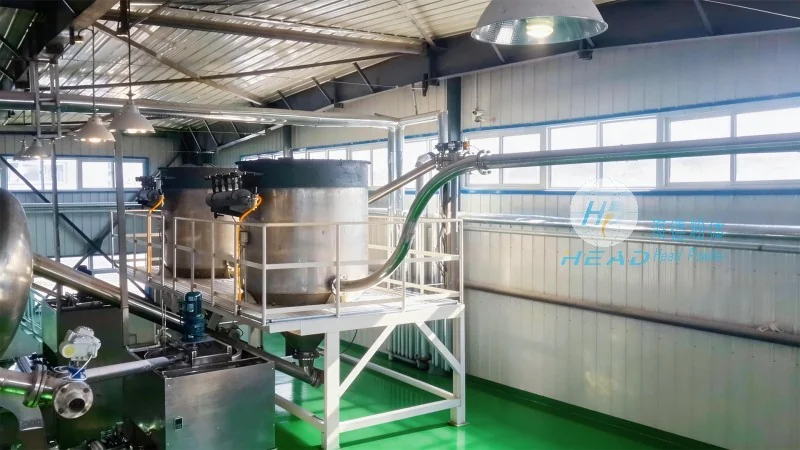
Understanding the Critical Role of Effective Lightweight Cement Delivery
Lightweight cement, typically composed of lightweight aggregates such as expanded clay, perlite, or other mineral materials, presents unique handling challenges compared to traditional cement. Its lower bulk density and sometimes finer particle structure require specialized transportation solutions to prevent degradation, segregation, or loss of performance. Conventional methods like bucket elevators or belt conveyors may struggle with the material's flow characteristics, leading to issues like clogging, uneven distribution, or increased wear on equipment. Therefore, implementing an appropriate delivery system is essential for maintaining the quality of lightweight cement and optimizing production workflows.
Traditional Delivery Methods and Their Limitations
Historically, several conventional bulk material handling methods have been employed for transporting lightweight cement. These include screw conveyors, which use rotating screws to move material along a tube, and mechanical bucket elevators, which lift and transport material vertically. While these systems are widely used across various industries, they often encounter challenges when handling lightweight cement. For instance, screw conveyors may experience material bridging or blockages due to the material's low density, and bucket elevators can lead to higher maintenance costs and component wear, especially when dealing with abrasive or delicate particles. Additionally, these methods typically require more space and higher energy consumption compared to more modern alternatives.
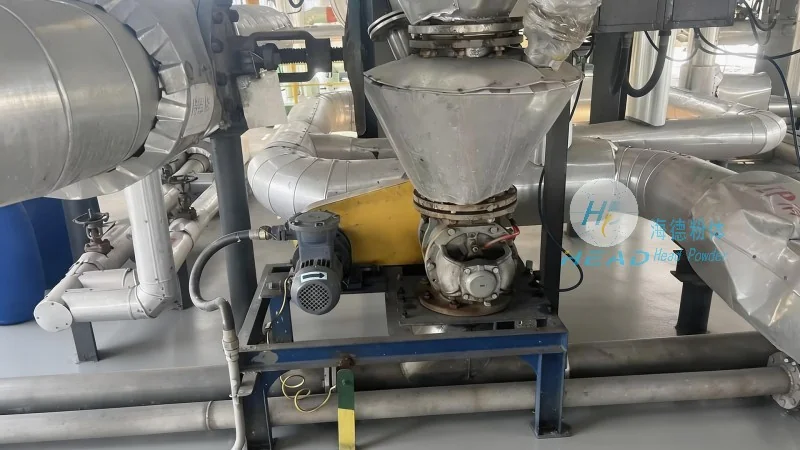
Pneumatic Conveying: A Superior Solution for Lightweight Cement Delivery
Pneumatic conveying, also known as air conveying, offers a highly effective and flexible solution for transporting lightweight cement. This method utilizes a stream of air to move material through a pipeline, eliminating the need for mechanical components like belts or screws. The primary types of pneumatic conveying systems include pressure systems, which use compressed air to push material through the pipeline, and vacuum systems, which use a vacuum to draw material into the system. Both approaches are suitable for lightweight cement, with the choice depending on factors such as delivery distance, material characteristics, and system complexity.
One of the key advantages of pneumatic conveying is its ability to handle a wide range of material properties, including lightweight cement's low density and fine particle size. The system maintains material in a suspended state within the pipeline, reducing the risk of degradation or segregation that may occur with traditional methods. Furthermore, pneumatic conveying systems are highly adaptable, allowing for changes in delivery routes or capacity without significant infrastructure modifications.
Key Features and Benefits of Pneumatic Conveying for Lightweight Cement
When considering pneumatic conveying for lightweight cement, several key features and benefits stand out. First, the system provides a closed environment, which helps maintain material purity and prevents contamination from external factors. This is particularly important for lightweight cement, as it is often used in applications where consistency and quality are critical, such as in insulation products or lightweight concrete mixes. Second, pneumatic conveying offers high energy efficiency and operational cost savings. By using compressed air, the system can move material over long distances with minimal energy input compared to mechanical conveyors. Third, the system is highly scalable, allowing for adjustments in capacity to meet varying production demands. This flexibility is essential for businesses experiencing fluctuations in demand or planning to expand their operations.
Application Examples and Practical Considerations
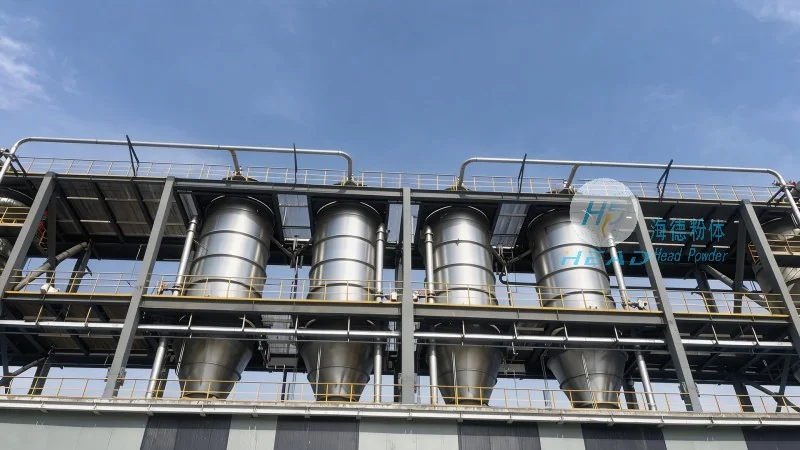
Pneumatic conveying systems are widely used in the production of lightweight cement-based products. For example, in the manufacturing of lightweight concrete blocks or insulation panels, the system efficiently transports raw materials from storage silos to mixing and processing units. The ability to handle fine particles and maintain consistent flow rates ensures that the final products meet strict quality standards. Practical considerations when implementing pneumatic conveying for lightweight cement include selecting appropriate pipeline materials, such as stainless steel or food-grade plastic, to prevent material interaction and corrosion. Additionally, the system design must account for the material's low bulk density, ensuring that air velocity is sufficient to keep particles suspended without excessive energy consumption.
Conclusion: Choosing the Right Delivery Method for Lightweight Cement
As the demand for lightweight cement continues to grow in construction and industrial sectors, selecting an efficient and reliable delivery system is paramount. While traditional methods like screw conveyors and bucket elevators have their uses, pneumatic conveying emerges as a superior solution due to its adaptability, efficiency, and ability to maintain material integrity. Shandong HeadPowder Engineering Co., Ltd., with its expertise in pneumatic conveying systems, provides tailored solutions that address the unique challenges of lightweight cement delivery. By leveraging advanced technology and a deep understanding of material handling, the company ensures clients achieve optimal performance and cost-effectiveness in their operations. Whether for small-scale or large-scale applications, pneumatic conveying offers a versatile and effective approach to transporting lightweight cement, supporting ongoing industry growth and innovation.