

Common Polyethylene Pellet Conveying Methods: An Introduction to Polyethylene Pellet Pneumatic Conve
For manufacturers and processors dealing with polyethylene pellets, selecting the right conveying method is crucial for efficiency, cost-effectiveness, and material integrity. Polyethylene, a widely used thermoplastic, is often handled in bulk form as pellets, requiring reliable systems to move it from storage to processing equipment. This article explores common polyethylene pellet conveying methods, with a focus on the advantages and applications of pneumatic conveying, as offered by Shandong HeadPowder Engineering Co., Ltd., a leading provider in the field.
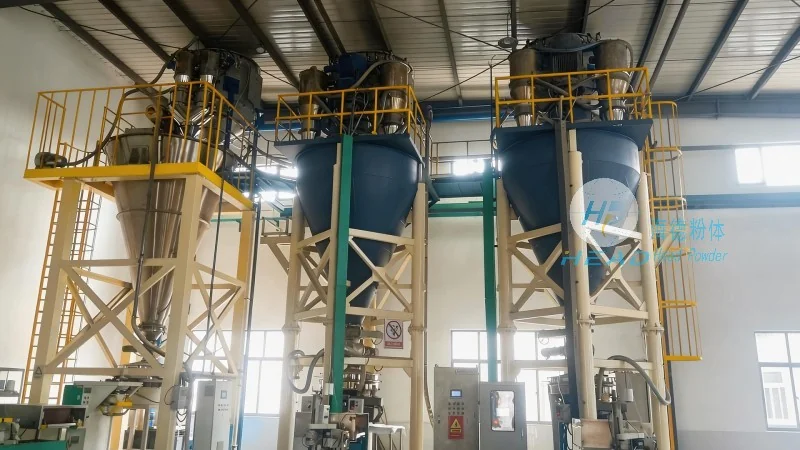
Understanding Polyethylene Pellet Conveying Needs
Polyethylene pellets are typically produced in various sizes and densities, making their handling a challenge that requires specialized equipment. The choice of conveying method depends on factors such as material properties, distance to be conveyed, volume of material, and the need for dust control or contamination prevention. Traditional methods like gravity or mechanical conveyors may suffice for short distances or low volumes, but for larger-scale operations, pneumatic conveying often proves superior due to its flexibility and ability to handle a wide range of materials.
Common Conveying Methods for Polyethylene Pellets
Several methods are commonly employed in the industry to transport polyethylene pellets. These include:
1. Gravity Conveying
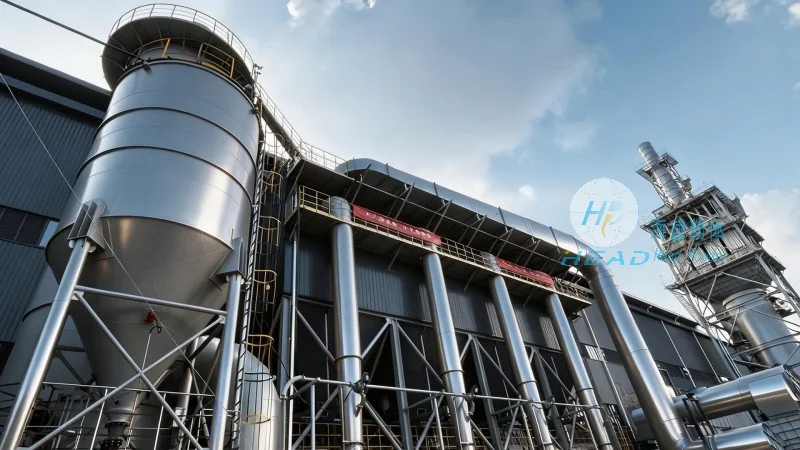
Gravity conveying systems rely on the natural force of gravity to move materials down a sloped pipe or chute. This method is simple and cost-effective for short distances and low material volumes. However, it is limited by the need for a sufficient slope to ensure material flow and is not suitable for long distances or high volumes. For polyethylene pellets, gravity conveyors may be used in storage areas to move material from silos to processing lines, but they lack the flexibility to handle complex layouts or vertical lifts.
2. Mechanical Conveying
Mechanical conveyors, such as belt conveyors, screw conveyors, and chain conveyors, use mechanical components to transport materials. These systems are robust and can handle high volumes over longer distances. However, they require regular maintenance and may cause material degradation through friction or impact, especially for delicate polyethylene pellets. Mechanical conveyors are often used in applications where dust control is not a primary concern and where the material is not prone to clumping or degradation.
3. Pneumatic Conveying
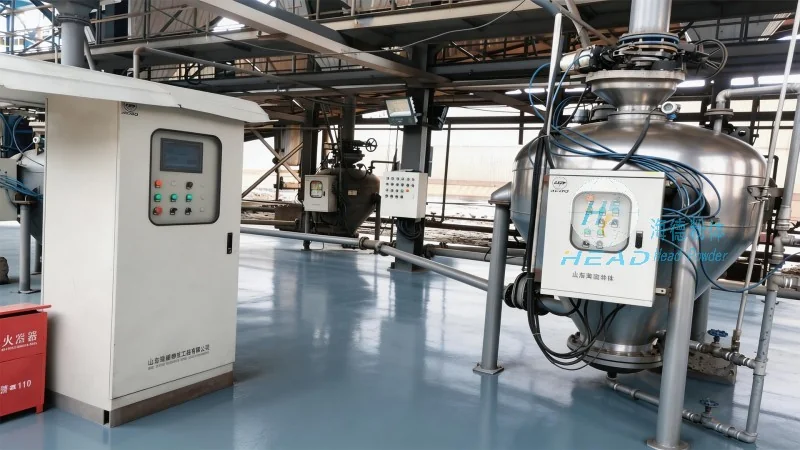
Pneumatic conveying, also known as air conveying, is a method that uses pressurized air or vacuum to move materials through a pipeline. This technology is highly versatile and can handle polyethylene pellets over long distances, vertical lifts, and complex system configurations. Pneumatic conveying systems from HeadPowder, for example, are designed to maintain material integrity by minimizing friction and impact, ensuring that pellets remain in their original form without degradation. The systems can operate in both positive pressure (air pushing material) and negative pressure (air pulling material) modes, providing flexibility for different plant layouts and material handling requirements.
Advantages of Pneumatic Conveying for Polyethylene Pellets
When compared to gravity and mechanical conveying, pneumatic conveying offers several key advantages for polyethylene pellet handling:
First, it provides excellent dust control. Polyethylene pellets are lightweight and can generate significant dust during handling, which poses health and safety risks. Pneumatic systems can be equipped with filtration and dust collection units to capture and contain airborne particles, ensuring a cleaner working environment. Second, pneumatic conveying allows for the integration of multiple process steps within a single system. Materials can be transported from storage silos to mixing, drying, or extrusion equipment without the need for intermediate transfer points, reducing the risk of contamination and improving overall efficiency. Third, the systems are highly adaptable. They can be easily expanded or reconfigured to accommodate changes in production volume or plant layout, making them a long-term investment for growing businesses. Finally, pneumatic conveying can handle a wide range of material properties, including different pellet sizes, densities, and moisture levels, without requiring significant modifications to the system.
HeadPowder's Pneumatic Conveying Solutions
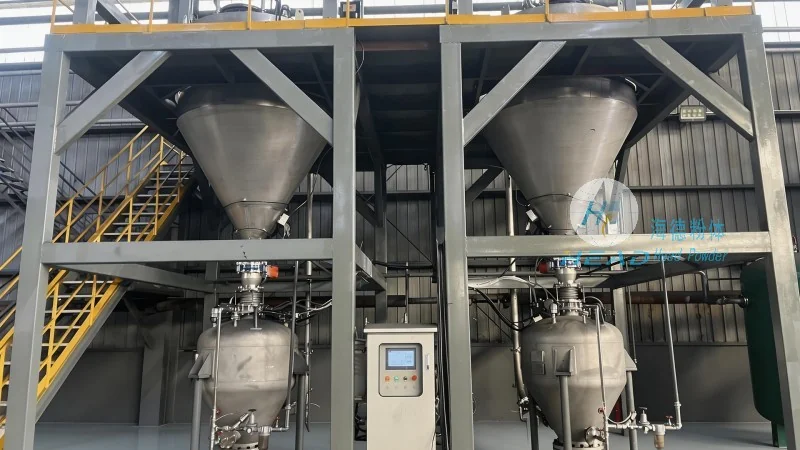
Shandong HeadPowder Engineering Co., Ltd. specializes in designing and manufacturing custom pneumatic conveying systems tailored to the specific needs of polyethylene pellet processors. The company's expertise lies in creating systems that balance efficiency, reliability, and cost-effectiveness. For example, their positive pressure systems use air to push material through the pipeline, which is ideal for conveying pellets over long horizontal distances or vertical lifts. The systems are equipped with high-quality components, such as airlocks, filters, and control valves, to ensure smooth operation and minimal downtime. Negative pressure systems, on the other hand, use vacuum to pull material, which is suitable for applications where dust control is critical and where the material needs to be transported from multiple sources to a central processing unit.
Conclusion
Choosing the right polyethylene pellet conveying method is essential for optimizing production processes and maintaining material quality. While gravity and mechanical conveyors have their place in certain applications, pneumatic conveying offers superior flexibility, dust control, and material integrity for modern processing facilities. Companies like Shandong HeadPowder Engineering Co., Ltd. provide advanced pneumatic conveying solutions that meet the evolving needs of the polyethylene industry, ensuring that manufacturers can efficiently handle their pellets and achieve their production goals.