

Common Sulfate Nickel Crystal Conveying Methods: An Introduction to Sulfate Nickel Crystal Pneumatic
The handling and transport of sulfate nickel crystals are critical processes in the chemical and battery industries. As a key raw material for lithium-ion batteries and other advanced applications, the efficient and reliable conveyance of these crystals directly impacts production efficiency and product quality. This article explores common methods for sulfate nickel crystal transport, with a focus on pneumatic conveying as a modern and effective solution.
Understanding the Importance of Efficient Conveying for Sulfate Nickel Crystals
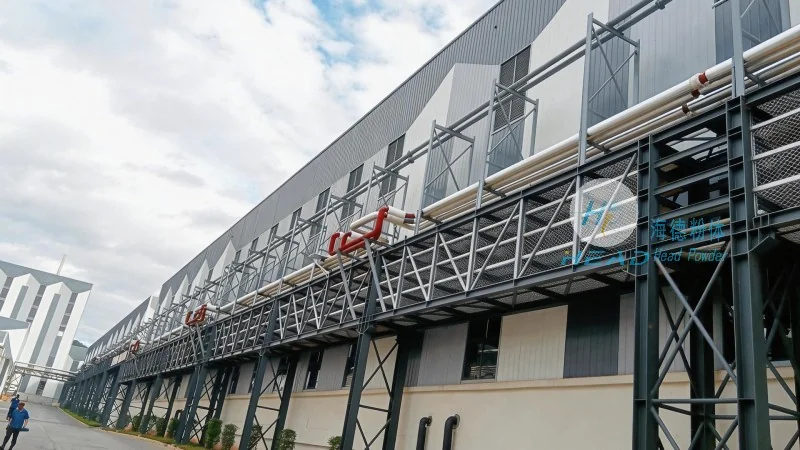
Sulfate nickel crystals are often produced in large quantities and require specialized handling due to their physical properties, such as size, density, and moisture content. Traditional bulk material handling methods, like belt conveyors or bucket elevators, may face challenges with material buildup, clogging, or uneven flow, especially when dealing with fine or hygroscopic crystals. Efficient conveying systems are essential to maintain consistent material flow, minimize downtime, and ensure compliance with safety and environmental regulations.
Traditional Conveying Methods and Their Limitations
Historically, industries have relied on gravity-based or mechanical conveying systems for transporting bulk materials. For sulfate nickel crystals, these methods include:
- **Belt Conveyors**: Effective for horizontal or slight incline transport but may struggle with vertical lifts or material that tends to stick to the belt.
- **Bucket Elevators**: Suitable for vertical transport but can experience issues with material segregation and wear on components.
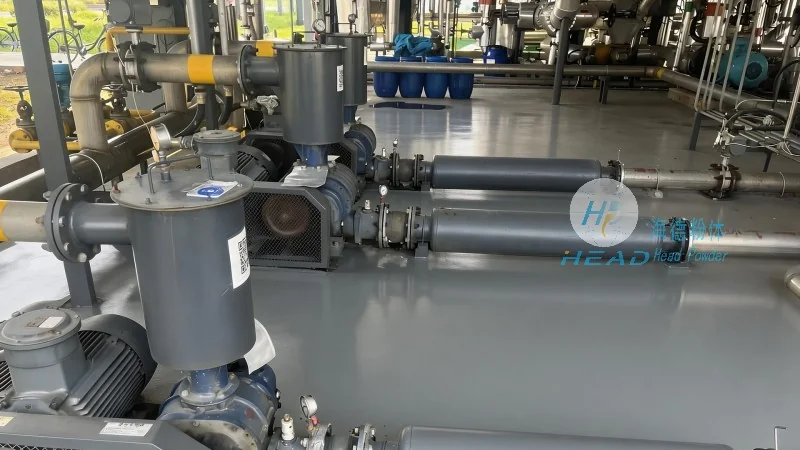
- **Screw Conveyors**: Good for enclosed transport but may lead to excessive friction and heat generation, which can affect the crystal's quality.
These traditional methods often require regular maintenance and may not provide the flexibility needed for dynamic production environments. Additionally, they can be less efficient in terms of energy consumption and space utilization compared to newer technologies.
Pneumatic Conveying: A Modern Solution for Sulfate Nickel Crystal Transport
Pneumatic conveying, or air-based transport, has emerged as a preferred method for handling sulfate nickel crystals due to its ability to transport materials in a closed system, reducing dust exposure and environmental impact. This technology uses compressed air to move material through a pipeline, offering advantages such as:
- **Closed System Operation**: Prevents dust emissions and contamination, which is crucial for maintaining product purity and adhering to occupational health and safety standards.
- **Versatility**: Can handle a wide range of material characteristics, including fine powders, granules, and crystalline materials, with minimal segregation.
- **Space Efficiency**: Pneumatic systems can be installed in compact spaces, making them ideal for facilities with limited floor area.
The HeadPowder Engineering Co., Ltd., a leading provider of material handling solutions, specializes in designing and manufacturing pneumatic conveying systems tailored to the specific needs of the battery and chemical industries.
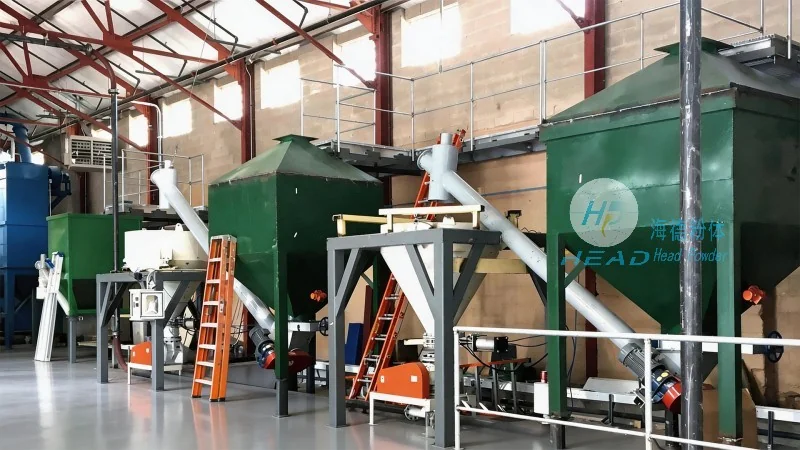
Key Advantages of Pneumatic Conveying Systems
Pneumatic conveying systems offer several key benefits that make them a superior choice for sulfate nickel crystal transport:
- **High Efficiency and Reliability**: The consistent flow of compressed air ensures reliable material transport, reducing the risk of bottlenecks or material stoppages.
- **Low Maintenance**: With fewer moving parts compared to mechanical systems, pneumatic conveyors require less frequent maintenance, leading to lower operational costs.
- **Energy Efficiency**: Modern pneumatic systems use advanced air compressors and control systems to optimize energy consumption, contributing to cost savings and environmental sustainability.
- **Flexibility**: The ability to reconfigure the system layout allows for easy integration with existing production lines or future expansion.
These advantages make pneumatic conveying an attractive option for manufacturers seeking to improve their production processes and maintain a competitive edge.