

How to Design a Reasonable Corn Pneumatic Conveying System Plan
When it comes to efficiently handling corn in industrial settings, a well-designed corn pneumatic conveying system is crucial. Such systems leverage air pressure to transport corn from one location to another, offering advantages like reduced labor costs, minimized contamination risks, and enhanced operational flexibility. However, the success of these systems heavily depends on a thorough and systematic design approach. This article will guide you through the key considerations and steps involved in designing a reasonable corn pneumatic conveying system plan, with insights from Shandong HeadPowder Engineering Co., Ltd., a leading provider in the field.
Understanding the Core Components of a Corn Pneumatic Conveying System
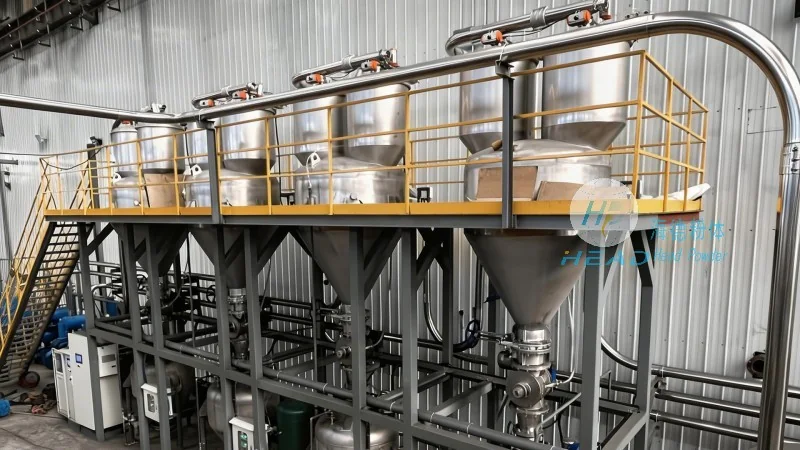
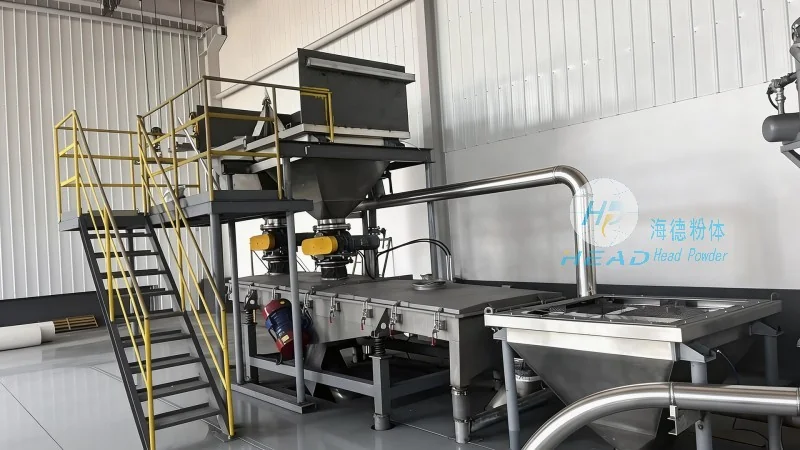
A corn pneumatic conveying system typically consists of several essential components that work in tandem to ensure smooth and efficient operation. The primary elements include a hopper for material storage, a conveyor line (either positive or negative pressure), a dust collector to manage air and particulate matter, and a discharge point for the conveyed corn. Each component must be carefully selected and sized to match the specific characteristics of the corn being handled, such as moisture content, particle size, and bulk density. For instance, if the corn is high in moisture, the system may require additional drying or moisture control measures to prevent clogging or degradation of the material.
Step-by-Step Design Process for a Corn Pneumatic Conveying System
The design process for a corn pneumatic conveying system begins with a comprehensive analysis of the operational requirements. This involves determining the required conveying capacity, the distance and elevation changes between the start and end points, and the desired speed of material transport. Shandong HeadPowder Engineering Co., Ltd. emphasizes the importance of conducting a site survey to assess existing infrastructure and environmental conditions, as these factors can significantly impact system performance and cost. Following the analysis, the next step is to select the appropriate conveying method—either pressure or vacuum. Pressure systems are generally preferred for longer distances and higher capacities, while vacuum systems are suitable for shorter distances or when material needs to be drawn from multiple sources. The choice of equipment, such as the type of air compressor, material feeder, and pipeline material (e.g., stainless steel or plastic), is then determined based on the selected method and the corn's properties.
Key Design Considerations for Optimal Performance
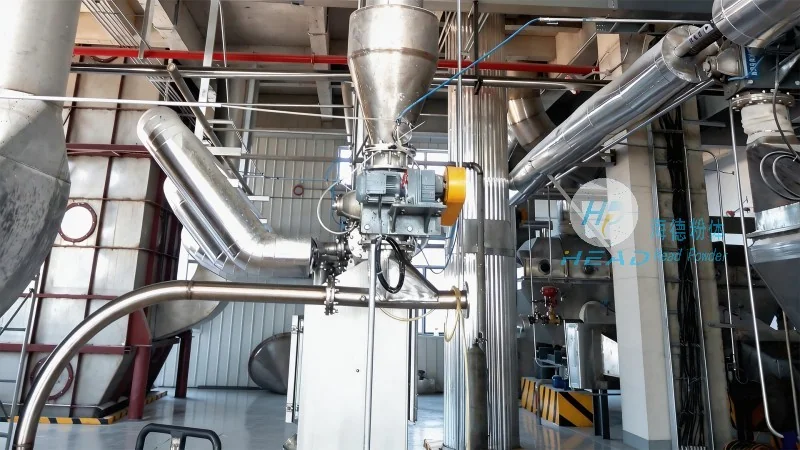
Several critical factors must be considered to ensure the long-term reliability and efficiency of a corn pneumatic conveying system. First, the system's capacity must be matched to the production rate of the corn processing facility to avoid bottlenecks or overloading. This requires accurate calculations of the corn's bulk density and flow rate, which can vary depending on moisture content and particle size. Second, the design must account for potential points of failure, such as blockages or air leaks, and incorporate appropriate safety features like pressure relief valves and automatic shut-off mechanisms. Additionally, the system should be designed with easy maintenance in mind, allowing for quick access to components for cleaning or repair. Shandong HeadPowder Engineering Co., Ltd. recommends regular system inspections and maintenance schedules to prolong the lifespan of the equipment and maintain optimal performance.
Customization and Integration with Existing Facilities
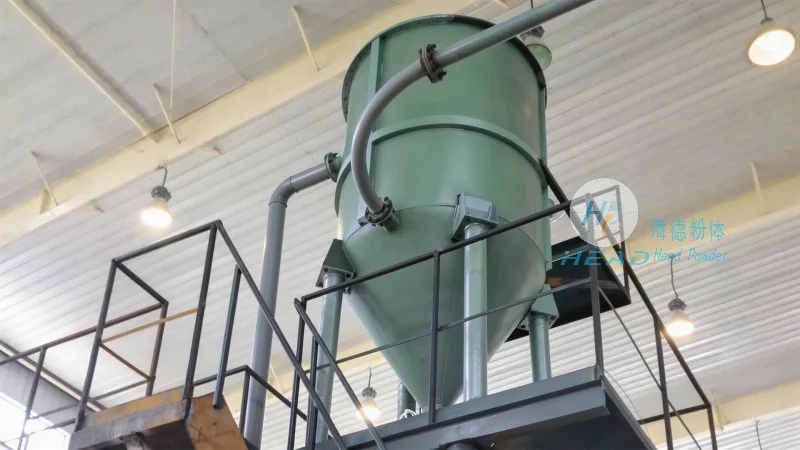
Every corn processing facility has unique operational needs and existing infrastructure, making a one-size-fits-all approach ineffective. A reasonable corn pneumatic conveying system plan must be tailored to the specific requirements of the client. This involves integrating the new system with existing equipment, such as storage silos or processing machinery, to ensure seamless operation. Shandong HeadPowder Engineering Co., Ltd. specializes in providing customized solutions that consider the client's budget, space constraints, and long-term growth plans. For example, if a facility plans to expand its corn processing capacity in the future, the system design may include provisions for additional conveying lines or storage capacity to accommodate future growth without major modifications.
Conclusion: Partnering with Experts for a Successful System Design
Designing a reasonable corn pneumatic conveying system is a complex task that requires expertise in both engineering and material handling. By following a systematic approach and considering all relevant factors, facilities can achieve efficient, reliable, and cost-effective corn transportation. Shandong HeadPowder Engineering Co., Ltd., with its extensive experience and commitment to quality, offers comprehensive support from initial design to system implementation and maintenance. By partnering with such experts, corn processing facilities can ensure that their pneumatic conveying systems operate at peak performance, minimizing downtime and maximizing productivity.