

How to Design a Reasonable Light Calcium Gypsum Pneumatic Conveying System Solution
When it comes to the efficient and reliable transportation of light calcium gypsum, selecting the right pneumatic conveying system is crucial. A well-designed system not only ensures smooth material handling but also maximizes operational efficiency and minimizes downtime. This article provides a comprehensive guide on how to design a reasonable light calcium gypsum pneumatic conveying system, focusing on key considerations and best practices.
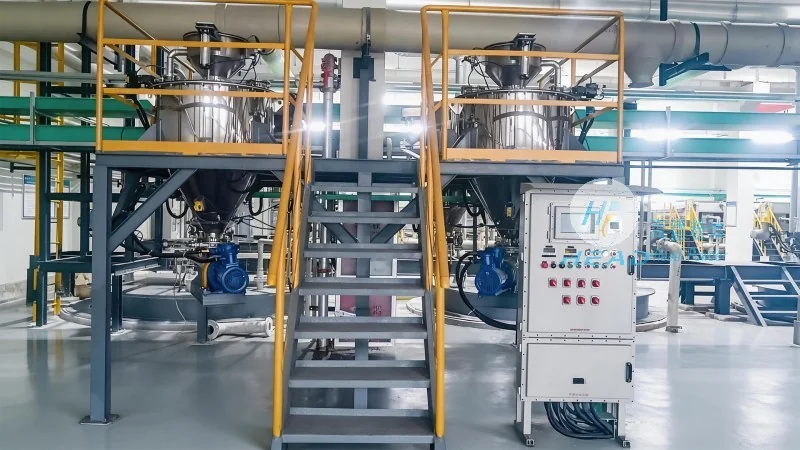
Understanding the Core Requirements for Light Calcium Gypsum Handling
Before diving into system design, it's essential to understand the specific characteristics of light calcium gypsum. This material, known for its low bulk density and fine particle size, requires specialized equipment to handle effectively. The system must be capable of maintaining consistent flow rates, preventing material degradation, and ensuring minimal dust generation. At Shandong HeadPowder Engineering Co., Ltd., our experts consider these factors to tailor solutions that meet the unique needs of each project.
Key Factors in Pneumatic Conveying System Selection
The first step in designing a light calcium gypsum pneumatic conveying system is choosing the appropriate conveying method. There are two main types: dilute-phase and dense-phase systems. Dilute-phase systems use high air velocities to transport material in a dispersed state, while dense-phase systems employ lower velocities and higher pressure to move material in a slurry-like state. For light calcium gypsum, which is prone to caking and blockages, a dense-phase system often provides better control and reliability. Our team at HeadPowder evaluates factors such as material flow rate, distance, and desired pressure to recommend the most suitable method.
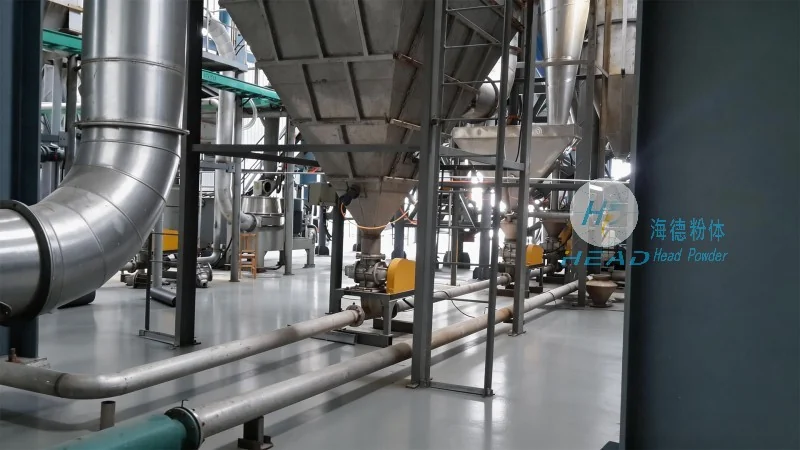
Equipment Selection and Integration
Once the conveying method is determined, the next critical step is selecting the right equipment. This includes feeders, conveyors, cyclones, and dust collectors. For light calcium gypsum, rotary valves are commonly used as feeders due to their ability to handle fine powders without clogging. The conveyor itself, whether it's a pipeline or a pneumatic duct, must be designed to prevent material buildup and ensure smooth flow. Cyclones are essential for separating the material from the air stream, and high-efficiency dust collectors are necessary to comply with environmental regulations. At HeadPowder, we ensure that all equipment is integrated seamlessly to create a cohesive system that operates at peak performance.
System Layout and Installation Considerations
The layout of the pneumatic conveying system plays a significant role in its efficiency. The system should be designed to minimize the number of bends and changes in direction, as these can cause pressure drops and material degradation. The height and distance of the conveying line must be carefully calculated to maintain the required air velocity and pressure. Additionally, the location of the dust collector and other auxiliary equipment should be strategically placed to optimize airflow and reduce energy consumption. Our engineers at Shandong HeadPowder Engineering Co., Ltd. use advanced software to model the system layout, ensuring that every component is positioned for maximum efficiency.
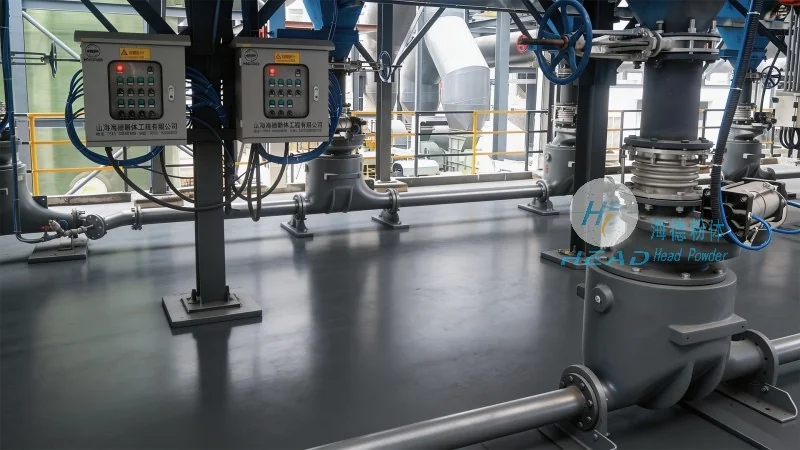
Control and Maintenance Strategies
A well-designed system also includes robust control and maintenance strategies. Automated control systems allow for real-time monitoring of flow rates, pressure, and other parameters, enabling quick adjustments to maintain optimal performance. Regular maintenance is crucial to prevent equipment failure and ensure long-term reliability. This includes cleaning cyclones, inspecting seals, and replacing worn parts. At HeadPowder, we provide comprehensive maintenance services and training to our clients, ensuring that their systems operate efficiently and cost-effectively over their lifespan.
Case Studies and Real-World Applications
HeadPowder has successfully implemented light calcium gypsum pneumatic conveying systems in various industrial settings. For example, in a manufacturing plant, our system reduced material handling time by 30% and minimized dust emissions by 50%. Another client, a gypsum board manufacturer, benefited from increased production capacity and improved material quality due to the reliable system. These case studies demonstrate the effectiveness of our design approach and the value of investing in a well-engineered pneumatic conveying system.
Conclusion and Recommendations
Designing a reasonable light calcium gypsum pneumatic conveying system requires a thorough understanding of the material's properties, the application's requirements, and the available equipment. By considering factors such as conveying method, equipment selection, system layout, and control strategies, businesses can achieve efficient and reliable material handling. At Shandong HeadPowder Engineering Co., Ltd., we specialize in providing tailored solutions that meet the unique needs of our clients. Our team of experts is committed to delivering high-quality systems that enhance operational efficiency and reduce costs. Whether you're a new or existing client, HeadPowder is your partner in creating effective light calcium gypsum pneumatic conveying systems.