

How to Design a Reasonable Sesame Pneumatic Conveying System Plan?
Sesame processing often involves handling bulk materials, and selecting the right conveying system is crucial for efficiency and product integrity. A well-designed pneumatic conveying system can significantly enhance the overall operational performance of sesame processing facilities. This article will explore key considerations and best practices for designing a reasonable sesame pneumatic conveying system, focusing on the technical aspects and practical implementation.
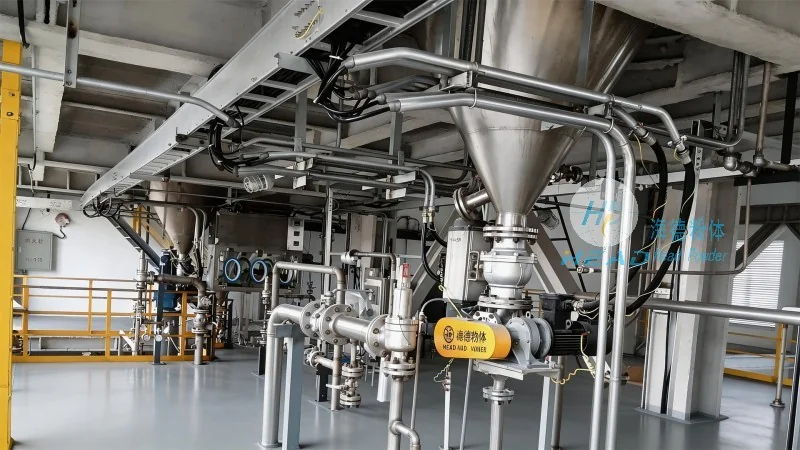
About HeadPowder Engineering
HeadPowder, the professional team behind Shandong HeadPowder Engineering Co., Ltd., specializes in engineering solutions for material handling and processing. With a strong presence in China, particularly in Shandong, the company has built a reputation for delivering high-quality, customized pneumatic conveying systems tailored to the unique needs of sesame processing industries. The company’s expertise lies in integrating advanced technology with practical application, ensuring systems are not only efficient but also durable and cost-effective.
Key Design Principles for Sesame Pneumatic Conveying
When designing a pneumatic conveying system for sesame, several critical factors must be considered to ensure optimal performance. First, the system must be capable of handling the specific characteristics of sesame, such as its density, moisture content, and potential for dust generation. The choice of conveying method—whether positive or negative pressure—depends on these characteristics and the layout of the processing facility. Positive pressure systems are often preferred for sesame as they can effectively transport materials over longer distances and through multiple transfer points without the risk of product degradation from exposure to ambient air. Additionally, the system design must account for the need to maintain product quality, preventing issues like caking or contamination during transport.
Core Components of a Sesame Pneumatic Conveying System
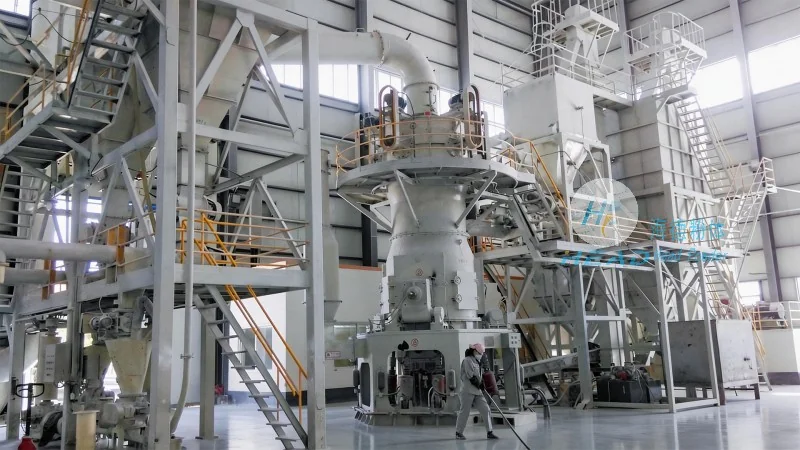
A typical sesame pneumatic conveying system consists of several key components that work in tandem to achieve efficient material transport. The primary components include the hopper or feed hopper, which holds the sesame and provides a controlled feed to the system. The feeder, often a rotary valve or screw feeder, regulates the flow of sesame into the conveying line. The conveying line itself, made of durable materials like stainless steel or food-grade plastic, ensures the material is transported without contamination. The air mover, which can be a positive displacement blower or a centrifugal fan, provides the necessary pressure to move the sesame through the system. Finally, the receiver or discharge hopper collects the conveyed sesame, completing the transport process. Each component must be selected based on the specific requirements of the sesame processing operation, ensuring compatibility and optimal performance.
System Layout and Optimization for Efficient Sesame Transport
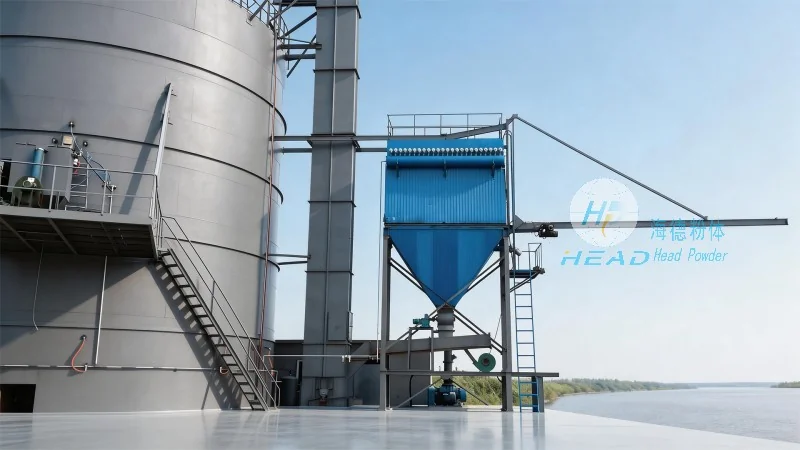
The layout of the pneumatic conveying system is a critical factor in its overall efficiency. The system should be designed to minimize the number of bends and changes in direction, as excessive bends can lead to increased pressure drop and potential blockages. The placement of the hopper, feeder, and receiver should be optimized to reduce the overall length of the conveying line, thereby reducing energy consumption and operational costs. Additionally, the system should be designed with easy access points for maintenance and cleaning, ensuring that any potential issues can be addressed promptly. The use of appropriate filters and cleaning mechanisms is also essential to maintain the quality of the conveyed sesame and prevent system downtime due to clogging.
Maintenance and Longevity of Sesame Pneumatic Conveying Systems
Regular maintenance is crucial for ensuring the longevity and reliability of a sesame pneumatic conveying system. The system components, particularly the air mover and conveying line, should be inspected regularly for signs of wear or damage. The feeder and hopper should be cleaned periodically to prevent the buildup of dust or product residue, which can affect the system’s performance. The filters should be replaced or cleaned as needed to maintain air quality and prevent clogging. Additionally, the system should be checked for leaks or pressure drops, as these can indicate issues with the components or the system’s design. By following a regular maintenance schedule, the system can operate at peak efficiency for extended periods, reducing the need for costly repairs or replacements.
Conclusion: Choosing the Right Sesame Pneumatic Conveying System
Designing a reasonable sesame pneumatic conveying system requires careful consideration of the material’s characteristics, the facility’s layout, and the system’s components. By following best practices and leveraging the expertise of companies like Shandong HeadPowder Engineering Co., Ltd., sesame processing facilities can achieve efficient, reliable, and cost-effective material transport. The key is to balance the technical requirements with practical considerations, ensuring that the system meets the specific needs of the operation while maintaining product quality and operational efficiency. With the right design and maintenance, a pneumatic conveying system can be a valuable asset to any sesame processing facility, enhancing productivity and reducing operational costs.