

How to Design a Reasonable Sodium Carbonate Pneumatic Conveying System Plan?
When it comes to the efficient and reliable transportation of sodium carbonate, a well-designed pneumatic conveying system is crucial. The design process involves careful consideration of various factors to ensure optimal performance, safety, and cost-effectiveness. This article will explore the key aspects of designing a reasonable sodium carbonate pneumatic conveying system, with a focus on practical solutions and expert insights from Shandong HeadPowder Engineering Co., Ltd., a leading provider in the field.
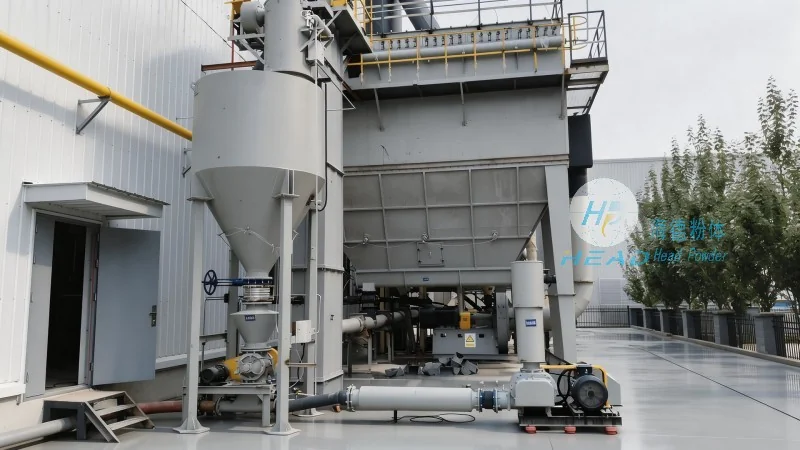
Understanding the Importance of System Design for Sodium Carbonate
Sodium carbonate, also known as soda ash, is widely used in industries such as glass manufacturing, chemical production, and water treatment. Its handling requires specialized equipment to maintain product quality and prevent contamination. A pneumatic conveying system offers a non-contact method of transporting bulk materials, which is particularly beneficial for sodium carbonate due to its hygroscopic nature and potential for dust generation. Proper system design ensures that the material is conveyed smoothly, minimizing degradation and ensuring consistent quality throughout the process.
Key Design Considerations for a Pneumatic Conveying System
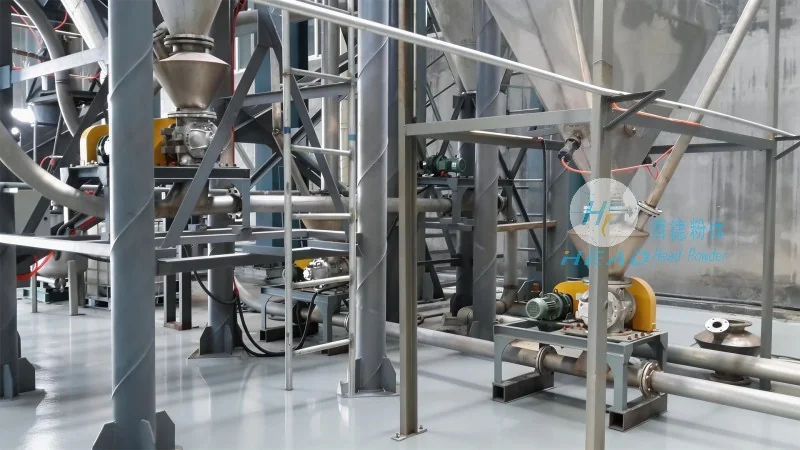
Several critical factors must be addressed during the design phase to create an effective sodium carbonate pneumatic conveying system. First, the material characteristics of sodium carbonate, including its particle size, density, and flowability, play a significant role in determining the system's configuration. The system must be capable of handling the specific properties of the material to avoid blockages or excessive pressure drops. Second, the system's capacity and throughput requirements must be accurately assessed based on production needs. This involves calculating the required air volume and pressure to achieve the desired conveying rate without compromising efficiency. Third, the selection of components such as the hopper, feeder, and pipeline is essential. The hopper should be designed to prevent material bridging and ensure uniform feeding, while the feeder must provide consistent material flow. The pipeline layout, including the use of bends, elbows, and filters, must be optimized to minimize pressure losses and maintain system performance.
Components and Technologies for an Efficient System
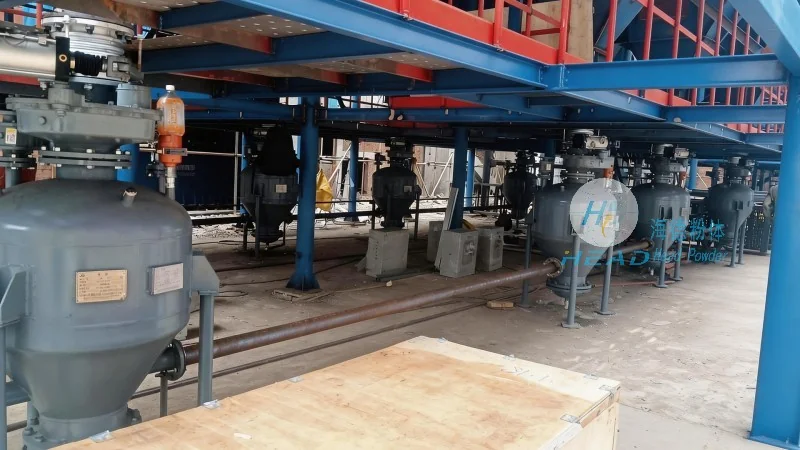
Shandong HeadPowder Engineering Co., Ltd. utilizes advanced technologies and high-quality components to design pneumatic conveying systems tailored to sodium carbonate applications. The company's expertise lies in selecting the appropriate equipment for each stage of the conveying process. For instance, the use of rotary feeders or screw feeders can be optimized based on the material's flow characteristics. The pipeline system may incorporate features such as pulse jet filters to maintain air quality and prevent dust accumulation. Additionally, the system may include pressure vessels or surge hoppers to regulate material flow and prevent overloading downstream equipment. The integration of these components ensures a seamless and efficient operation, reducing downtime and maintenance costs.
Ensuring Safety and Compliance in System Design
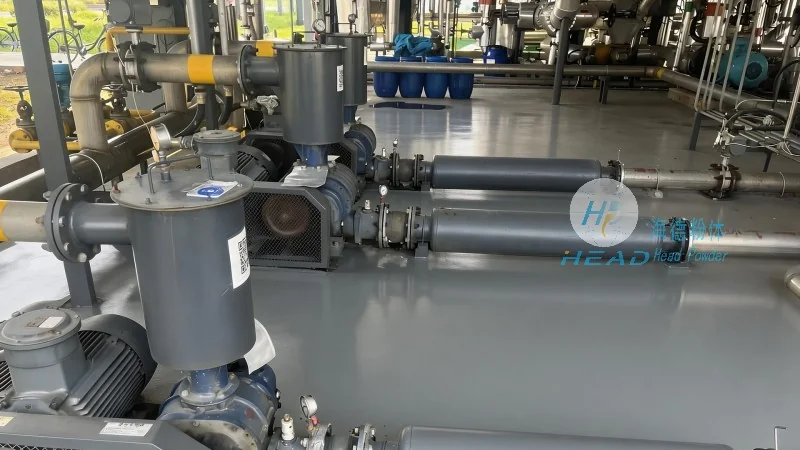
When designing a sodium carbonate pneumatic conveying system, safety is a top priority. The system must comply with relevant industry standards and regulations to protect personnel and the environment. This includes proper ventilation to control dust emissions, explosion-proof designs for potentially hazardous environments, and emergency shut-off mechanisms. Shandong HeadPowder Engineering Co., Ltd. adheres to strict safety protocols and incorporates safety features into the system design. For example, the use of pressure relief valves and overpressure protection systems helps prevent accidents and ensures the system operates within safe limits. The company also provides comprehensive training and support to ensure that operators understand the system's safety features and can respond effectively in case of emergencies.
Optimizing System Performance and Maintenance
After the initial design and installation, ongoing optimization and maintenance are essential to ensure the long-term performance of the pneumatic conveying system. Regular inspection of components such as filters, hoppers, and pipelines is necessary to identify and address potential issues before they lead to system failures. The company offers maintenance services and spare parts to support clients in keeping their systems operational. Additionally, the system can be equipped with monitoring and control systems to provide real-time data on performance, allowing for adjustments to be made promptly. This proactive approach helps maximize the system's efficiency and lifespan, reducing operational costs and ensuring consistent product quality.