

How to Design a Reasonable Dry Gravel Pneumatic Conveying System Plan?
When it comes to the design of dry gravel pneumatic conveying systems, selecting the right approach is crucial for ensuring efficiency, reliability, and cost-effectiveness. A well-designed system not only optimizes material transport but also minimizes operational risks and maintenance costs. This article provides a comprehensive guide on how to design a reasonable dry gravel pneumatic conveying system plan, focusing on key considerations and practical steps to achieve optimal performance.

Understanding the Core Principles of Dry Gravel Pneumatic Conveying
Dry gravel pneumatic conveying systems rely on the principle of transporting bulk materials through a pipeline using compressed air or other gas. The design of such systems involves several critical factors, including material properties, system layout, and operational parameters. Proper understanding of these principles is essential for creating a system that meets specific application requirements.
Key Factors to Consider in System Design
Several key factors must be evaluated when designing a dry gravel pneumatic conveying system. These include the characteristics of the gravel, such as particle size, density, and moisture content, as well as the desired conveying distance and throughput. Additionally, the choice of conveying method—whether it's a positive pressure or negative pressure system—impacts the overall design and performance. Engineers must also consider the available space, existing infrastructure, and budget constraints to ensure the system is both functional and economical.
System Components and Their Roles
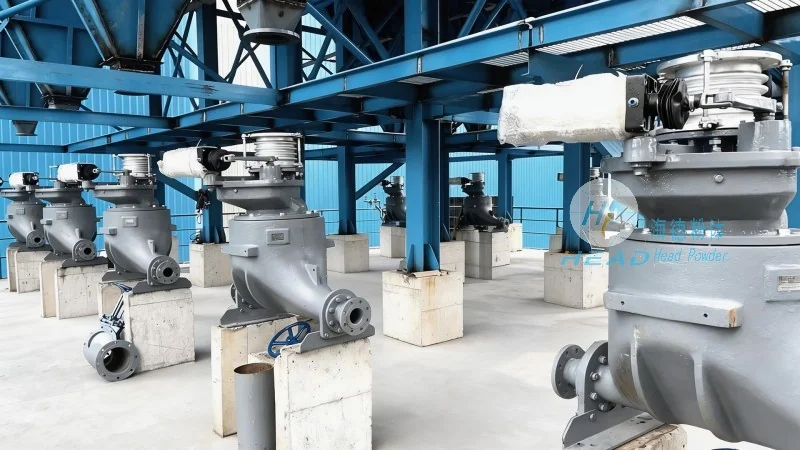
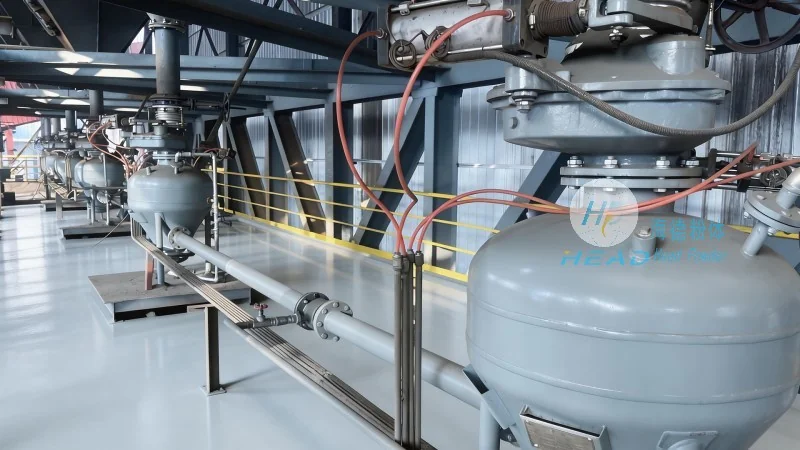
A dry gravel pneumatic conveying system typically consists of several key components, each playing a vital role in the overall operation. These components include the material feed hopper, which holds the gravel and controls the flow rate; the air compressor or blower, which provides the necessary pressure to move the material; the conveying line, which transports the material from the source to the destination; and the receiving hopper or silo, which collects the material at the end of the line. Each component must be carefully selected and sized to match the system's requirements, ensuring smooth and efficient operation.
Design Process and Calculation Methods
The design process for a dry gravel pneumatic conveying system involves a series of calculations to determine the appropriate air velocity, pressure, and flow rates. Engineers use formulas and empirical data to estimate the required air volume and pressure based on the material's properties and the system's layout. For example, the air velocity must be high enough to prevent material settling but low enough to avoid excessive wear on the pipeline. The pressure drop along the conveying line is another critical factor, as it affects the energy consumption and overall efficiency of the system. Accurate calculations are essential to avoid underdesign or overdesign, which can lead to performance issues or increased costs.
Optimizing System Performance and Reliability
Once the system is designed and installed, optimizing its performance and ensuring long-term reliability are paramount. Regular maintenance, such as cleaning the conveying line and checking the air compressor, is essential to prevent blockages and reduce wear. Additionally, monitoring system parameters, such as pressure and flow rates, can help identify potential issues before they become major problems. By implementing proper maintenance practices and monitoring protocols, the system's lifespan and efficiency can be significantly extended.
Case Study: Successful Implementation by Shandong HeadPowder Engineering Co., Ltd.
Shandong HeadPowder Engineering Co., Ltd., a leading provider of pneumatic conveying solutions, has successfully implemented dry gravel pneumatic conveying systems for various clients. One notable project involved designing a system for a gravel processing plant, where the goal was to transport dry gravel from a storage silo to a processing facility over a distance of 500 meters. The system was designed using the principles outlined above, with careful consideration of the material properties and operational requirements. The result was a highly efficient and reliable system that met the client's throughput and performance targets. This case study highlights the importance of a systematic design approach and the expertise of experienced engineers in achieving successful outcomes.