

How to Design a Reasonable Shredded Paper Pneumatic Conveying System Plan?
When designing a pneumatic conveying system for shredded paper, it is crucial to consider several key factors to ensure efficiency, reliability, and cost-effectiveness. The system must be tailored to the specific characteristics of the shredded material, such as particle size, moisture content, and bulk density, as well as the operational requirements of the facility. A well-designed system not only improves material handling but also reduces operational costs and enhances overall productivity.
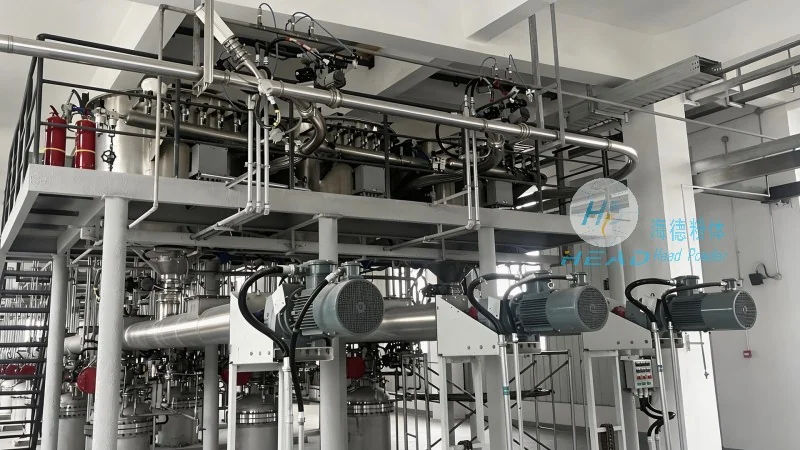
Key Considerations in System Planning
Before proceeding with the design, it is essential to conduct a thorough analysis of the material properties and the intended application. Shredded paper typically has a low bulk density and can be prone to bridging or clogging in traditional conveyors. Therefore, pneumatic conveying systems are often preferred due to their ability to handle fine particles and minimize material degradation. The choice between positive pressure and negative pressure systems depends on the distance, height, and material characteristics. Positive pressure systems use a blower to push air and material through the pipeline, which is ideal for short to medium distances and high material concentrations. Negative pressure systems, on the other hand, use a vacuum to draw material into the system, making them suitable for long distances and low material concentrations. The selection of the system type also impacts the energy consumption and maintenance requirements, as positive pressure systems generally require higher power input but offer better control over material flow.
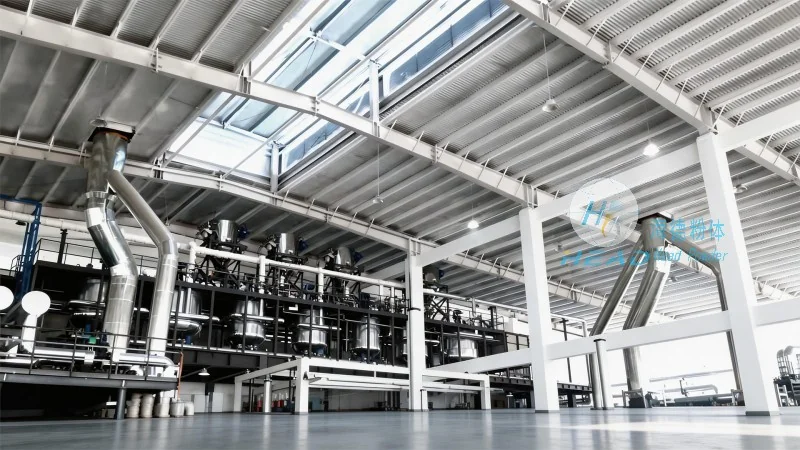
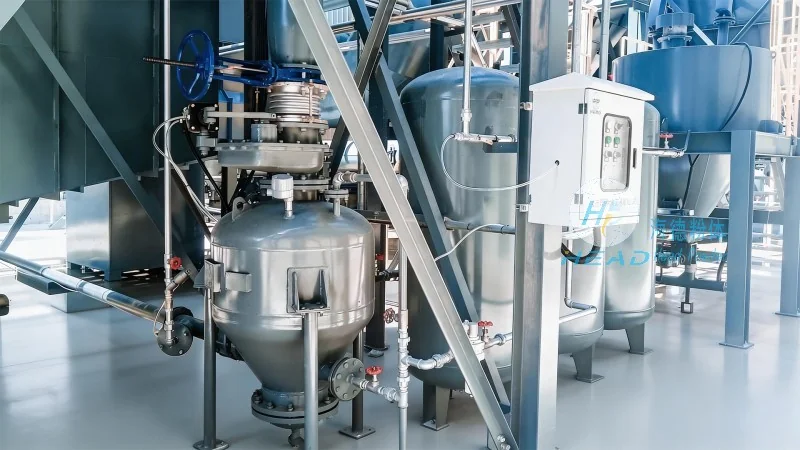
System Components and Their Roles
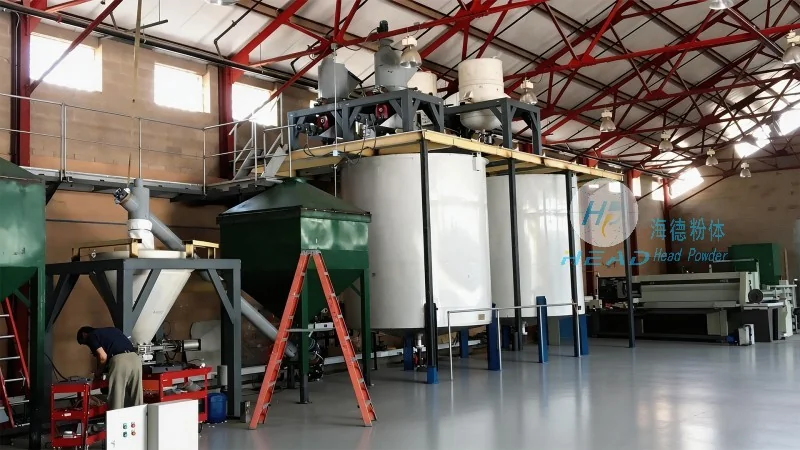
The core components of a pneumatic conveying system include the material feed hopper, the air supply unit (blower or vacuum pump), the conveying pipeline, and the discharge unit. The feed hopper is designed to ensure a consistent flow of shredded paper into the system, preventing blockages and maintaining uniform material feed. It often includes a feeder mechanism, such as a rotary valve or a screw feeder, to regulate the material flow rate. The air supply unit provides the necessary pressure or vacuum to move the material through the pipeline. For positive pressure systems, a high-pressure blower is typically used, while negative pressure systems may employ a vacuum pump or a fan. The choice of the air supply unit depends on the system's pressure requirements and the material's characteristics. The conveying pipeline is a critical component, as it must be sized appropriately to handle the material flow rate and pressure drop. The diameter of the pipeline is determined based on the material's velocity and the system's capacity. Properly sized and supported pipelines minimize energy consumption and reduce the risk of material deposition or clogging. The pipeline material, such as stainless steel or PVC, is selected based on the material's corrosiveness and the system's operating conditions. The discharge unit, such as a rotary valve or a dust collector, ensures that the material is discharged safely and efficiently from the system. A rotary valve is commonly used for positive pressure systems, while a dust collector is often employed in negative pressure systems to capture fine particles and maintain air quality.
Material Handling and System Efficiency
Efficient material handling in a shredded paper pneumatic conveying system requires careful consideration of the system's capacity and flow rate. The system must be able to handle the required throughput without excessive pressure drop or energy consumption. Factors such as the length and diameter of the pipeline, the number of bends, and the type of fittings all impact the system's efficiency. The pressure drop in the pipeline is calculated based on the material's velocity, the pipeline's friction, and the system's configuration. Proper design minimizes the pressure drop, reducing the energy required to move the material. The flow rate is controlled by adjusting the air supply or the feed rate, ensuring that the system operates within its optimal range. Regular maintenance and cleaning of the system components are essential to prevent clogging and ensure consistent performance. This includes cleaning the pipeline, replacing filters, and inspecting the feed hopper and discharge unit. Additionally, the use of filters and dust collectors helps to maintain air quality and protect the equipment from damage caused by fine particles. Proper maintenance not only improves system efficiency but also extends the lifespan of the equipment, reducing long-term operational costs.