

How to Design a Reasonable Gypsum Particle Pneumatic Conveying System Plan?
When it comes to designing an efficient and reliable gypsum particle pneumatic conveying system, a systematic approach is essential. The process involves careful consideration of various factors to ensure optimal performance, safety, and cost-effectiveness. As a leading provider in the field, Shandong HeadPowder Engineering Co., Ltd. specializes in delivering tailored solutions that meet the unique requirements of clients across China.
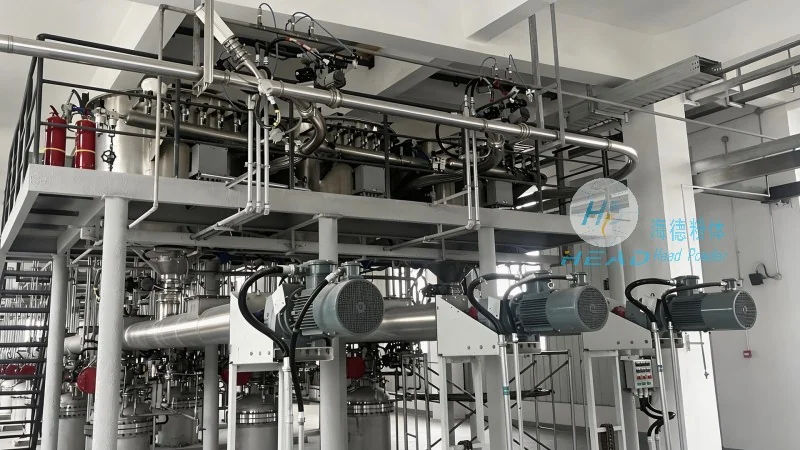
Understanding the Core Principles of Gypsum Particle Pneumatic Conveying
Gypsum, a widely used industrial material, often requires specialized handling due to its particle size, density, and flow characteristics. Pneumatic conveying systems offer a non-contact, dust-free method for transporting gypsum particles from one location to another. The design of such a system must account for the material's properties, including its moisture content, particle size distribution, and potential for agglomeration. By understanding these fundamental aspects, engineers can select the most appropriate conveying method—whether it's a dilute-phase or dense-phase system—and determine the optimal air velocity and pressure levels.
Key Design Considerations for a Successful System
Several critical factors must be evaluated during the design phase to ensure the system operates efficiently. First, the material flow rate and the distance to be covered are fundamental parameters that dictate the required air volume and pressure. The choice between positive and negative pressure systems also plays a significant role, as it affects the system's energy consumption and the risk of material leakage. Additionally, the layout of the conveying line, including the number and placement of bends, elbows, and expansion joints, directly impacts the system's performance and the potential for particle degradation.
Another crucial aspect is the selection of components, such as the blower or compressor, which must be capable of delivering the necessary air flow and pressure. The material handling equipment, including hoppers, feeders, and cyclones, must be designed to handle the specific characteristics of gypsum particles, preventing blockages and ensuring consistent flow. Proper sealing and maintenance of these components are also vital to minimize downtime and maintain system efficiency.
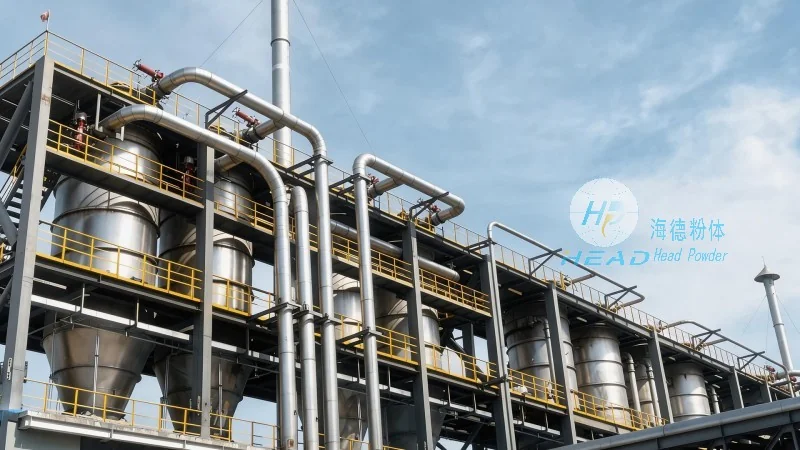
System Layout and Installation Best Practices
The physical layout of the pneumatic conveying system is another critical factor that influences its performance. The system should be designed to minimize the number of bends and the length of horizontal runs, as excessive changes in direction can cause particle degradation or system inefficiencies. Vertical lifts should be designed with appropriate expansion joints to accommodate thermal movements and prevent stress on the system components. Additionally, the placement of the receiving hopper and the discharge point should be carefully considered to ensure smooth material transfer and avoid material buildup or blockages.
Proper installation and maintenance are essential to maximize the system's lifespan and performance. Regular inspections of the conveying line, blower, and other components are necessary to identify and address any issues before they become major problems. The use of high-quality materials, such as corrosion-resistant steel for the conveying line and appropriate seals for the components, also contributes to the system's durability and reliability.
Benefits of a Well-Designed Gypsum Particle Pneumatic Conveying System
A well-designed pneumatic conveying system for gypsum particles offers numerous advantages over traditional methods. The primary benefit is the elimination of dust and the reduction of environmental impact, as the system operates in a closed loop. This not only improves workplace safety but also complies with environmental regulations. Additionally, the system can handle a wide range of particle sizes and flow rates, making it suitable for various applications, from small-scale operations to large industrial facilities.
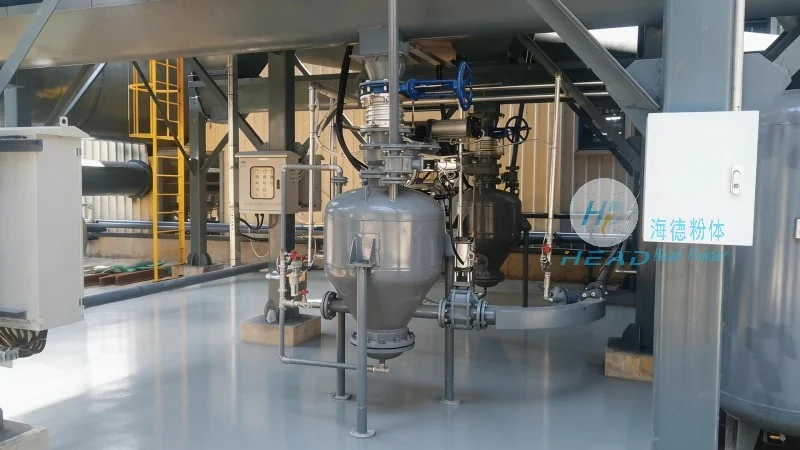
Another key advantage is the energy efficiency of the system. By optimizing the air velocity and pressure, engineers can reduce energy consumption while maintaining optimal conveying performance. This leads to lower operational costs and a more sustainable operation. Furthermore, the system's ability to handle gypsum particles without the need for additional equipment, such as conveyors or elevators, simplifies the overall process and reduces the risk of material contamination.
Conclusion: Partnering with HeadPowder for Your Gypsum Conveying Needs
Designing a reliable gypsum particle pneumatic conveying system requires expertise, experience, and a deep understanding of the material's properties. Shandong HeadPowder Engineering Co., Ltd. offers comprehensive solutions tailored to the specific needs of clients, ensuring that the system is designed for optimal performance, safety, and efficiency. By partnering with HeadPowder, clients can benefit from years of experience in the industry and access to cutting-edge technology that ensures their conveying systems operate at peak performance.